
424057-L__45646-800x600

The World’s Most Recognized Brand Meets the World’s Most Dedicated Collectors: The Vending Lot’s Coca-Cola Collection

There is a short list of brands whose visual identity is so deeply embedded in global culture that the mere sight of a specific shade of red, a particular curve of a glass bottle, or a single flowing script of lettering can produce an immediate and involuntary sense of recognition across languages, generations, and continents. Coca-Cola occupies a position on that list that no other beverage, and very few commercial entities of any kind, has ever matched. The brand did not achieve that position through advertising alone, though its advertising legacy is extraordinary. It achieved it through 140 years of consistent presence in the physical spaces of ordinary life, from the corner drugstore counter in 1886 Atlanta to the hands of American soldiers on the beaches of Normandy to the refrigerators of households in more than 200 countries today. That kind of cultural saturation produces exactly the kind of passionate collector community that The Vending Lot’s Coca-Cola collection was built to serve, and the 31 products currently available in the store represent one of the most precisely assembled Coca-Cola diecast and model kit collections available through any single online destination.

The products in this collection are not generic branded merchandise with a logo applied to a forgettable substrate. They are precision-engineered scale models and detailed diecast vehicles, produced by some of the most respected names in the collector’s hobby industry, rendered in the specific historical vehicles that carried Coca-Cola’s product and identity into the world across the twentieth century. Buying a piece from this collection is not simply acquiring a display item. It is acquiring a specific chapter of automotive and commercial history, presented at the quality standard that serious collectors have come to expect, carrying the visual identity of the single most recognized brand in the history of commerce.

To understand why these products carry the weight they do, it helps to understand what Coca-Cola actually is and how it got there, because the story behind the brand is as compelling as the vehicles and collectibles built to honor it.


The Birth of an Accidental Empire: Coca-Cola from 1886 to the Early Twentieth Century

Coca-Cola was invented on May 8, 1886, by Dr. John Stith Pemberton, a pharmacist practicing in Atlanta, Georgia, who came to the formula through a combination of scientific experimentation and personal necessity. Pemberton was a wounded veteran of the Civil War who had developed a severe morphine dependency as a result of his injuries, and his search for a less dangerous substitute led him to experiment with combinations of ingredients that included coca leaf extracts and kola nut derivatives. The syrupy mixture he developed was originally positioned and marketed as a patent medicine and health tonic, claimed to combat fatigue and headaches, the two most common complaints that brought customers to the average American pharmacy counter of the era.

It was Pemberton’s bookkeeper, Frank M. Robinson, who gave the drink its name. Robinson identified the two primary structural ingredients, coca leaves and kola nuts, and combined their names to produce “Coca-Cola,” a designation that was as straightforward in its derivation as it was memorable in its sound. Robinson also created the flowing Spencerian script lettering that spelled out that name, a handwriting style that was widely taught in American business schools of the period and that produced the elegant, looping characters that remain, entirely unchanged, the visual foundation of the brand’s identity to this day. No other commercial logo in the world has survived 140 years of graphic design evolution without a single substantive modification.

The first commercial sale of Coca-Cola took place at Jacobs’ Pharmacy in downtown Atlanta, where the concentrated syrup was mixed with carbonated water and sold at the counter for five cents per glass. The price point was deliberate and the location was strategic: pharmacies were the social hubs of American consumer life in the late nineteenth century, and the soda fountain counter was where customers gathered, socialized, and discovered new products. The carbonated water was not part of Pemberton’s original formula but was introduced at the pharmacy level as a preparation method, and the combination proved far more appealing than the straight syrup alone.

Pemberton sold the formula rights in 1888 to businessman Asa Griggs Candler for the sum of $2,300, a figure that has become one of the most frequently cited examples of undervalued intellectual property in the history of American commerce. Candler formally incorporated The Coca-Cola Company in January 1892 and set about transforming what had been a regional pharmacy curiosity into a national brand with extraordinary methodical effectiveness. One of his most important decisions came in 1903, when the formula was officially modified to remove all active trace amounts of cocaine from the coca leaf extracts used in production. The modification addressed growing public concern about cocaine’s effects while preserving the flavor profile that had made the drink commercially successful, and it allowed Coca-Cola to position itself as a family-appropriate refreshment rather than a medicinal product with potentially addictive properties.

The iconic contour bottle that became one of the most recognizable container shapes in the history of manufactured goods arrived in 1915, developed in partnership with the Root Glass Company as a direct response to the proliferation of imitators trying to trade on Coca-Cola’s success. The brief given to the designers was essentially that the bottle should be recognizable in the dark, by touch alone, even broken, and the curves that resulted from that specification have become as inseparable from the brand’s visual identity as the red label or the script lettering. Full mass production of the contour bottle began in 1916, and it remained the primary delivery format for the product for decades.

The franchised bottling model that Candler and his successors developed to scale the brand globally was, from an operational standpoint, as innovative as the product itself. Rather than building and operating its own bottling facilities across the country and eventually the world, the company sold its concentrated liquid syrup to independent local bottling plants and granted them exclusive regional territory rights to produce and distribute the finished carbonated beverage. This model allowed Coca-Cola to expand at a speed that would have been impossible through direct ownership while simultaneously building a network of committed local business partners whose financial success was directly tied to the brand’s continued strength. It is the same fundamental model that still underlies the company’s global distribution operation today.


From Atlanta to the Western Front: How Coca-Cola Became the World’s Drink

The transformation of Coca-Cola from an American regional product into a genuinely global brand accelerated through one of the most unlikely channels in the history of commercial expansion: warfare. During World War II, the company made the commitment to supply American military personnel with Coca-Cola at five cents per bottle regardless of where they were stationed or what the actual cost of production and delivery required, and to fulfill that commitment, it built 64 portable field bottling plants across Europe, Asia, and North Africa. Those plants operated in environments ranging from English countryside to Pacific island supply depots to North African desert installations, and the soldiers who drank from them carried the taste, the brand association, and the cultural meaning of Coca-Cola into the postwar lives they returned to in countries across the globe.

The portable bottling plants were not just logistical operations. They were brand installations, and the Americans who operated and consumed from them were, in effect, living advertisements whose personal testimonies and postcards home wove Coca-Cola into the story of American participation in the war in ways that no paid advertising could have produced. By the time the war ended and those soldiers came home or settled in the countries where they had served, Coca-Cola had achieved a kind of cultural penetration that a hundred years of normal commercial expansion might not have replicated.

The decades that followed saw Coca-Cola expand its product portfolio beyond the single original beverage that had made its name. Fanta, originally developed in Germany during the war years when American syrup imports were blocked by the economic disruptions of the conflict, was acquired by the company in 1946. Minute Maid, the leading American orange juice brand, came into the portfolio in 1960, representing the company’s first significant move beyond carbonated soft drinks. Sprite, developed internally as a clear lemon-lime alternative to 7Up, launched in 1961 and became one of the company’s most globally successful products. Diet Coke arrived in 1982, becoming one of the fastest-growing new beverage products in American history. Powerade entered the portfolio in 1992. Coke Zero Sugar, reformulated to more closely match the taste profile of the original product without its sugar content, launched in 2017.

The most famous product failure in the company’s history, the 1985 introduction of “New Coke,” is worth examining not as an embarrassment but as evidence of something remarkable about the brand’s relationship with its consumers. On April 23, 1985, after 99 years of selling the same formula, the company changed its original recipe, replacing it with a sweeter formulation that had tested better in blind taste studies than both the original and its primary competitor. The public reaction was not merely negative. It was visceral, organized, and relentless, generating more than 400,000 letters and phone calls of protest to company headquarters and producing a consumer backlash that had no precedent in American commercial history. Within 79 days, the company reversed course entirely, bringing back the original formula under the name Coca-Cola Classic. The episode demonstrated, more clearly than any marketing study could have, that Coca-Cola’s product was not just a beverage to its consumers. It was a relationship, an emotional connection, and a piece of personal history that they refused to surrender even to the company that owned the trademark.

Today, The Coca-Cola Company owns more than 200 global beverage brands spanning carbonated sodas, still waters, juices, coffees, teas, and energy drinks, making it one of the most diversified beverage businesses in the world while the original red-labeled product remains the commercial and cultural flagship of the entire enterprise. The formula, still secret, is stored at its permanent home at the World of Coca-Cola museum in Atlanta, having moved there from the bank vault where it resided for decades, and the brand’s global recognition continues to exceed that of any other commercial product on the planet.


The Collector’s Case for Coca-Cola Diecast and Model Kits

The intersection of Coca-Cola and automotive collecting is not an arbitrary one. Throughout the twentieth century, Coca-Cola built its delivery and distribution infrastructure on a fleet of vehicles that ranged from horse-drawn wagons and early Ford cargo vans to purpose-built beverage trucks and nationally recognizable tractor-trailers, and those vehicles became as much a part of the brand’s visual vocabulary as the bottle they carried. In American cities and towns from the 1920s through the 1960s, the sight of a red Coca-Cola delivery truck was as familiar as a traffic signal, and the vehicles themselves were maintained and presented with a pride that made them moving advertisements for the brand’s identity as much as its product. When those vehicles are rendered in precise miniature by skilled model manufacturers, they carry all of that historical and cultural weight into a format that sits on a shelf or in a display case and tells the story of American commercial history through the specific lens of one of its most compelling chapters.

The Vending Lot’s Coca-Cola collection draws from four major manufacturers: AMT, Polar Lights, MPC, and the Motor City Classics and Motorcity Classics lines from the same production family. Each manufacturer brings a distinct approach to the material, and understanding those differences helps any collector make informed decisions about which pieces belong in their collection and why.


AMT and MPC: The Model Builder’s Craft

The AMT and MPC products in The Vending Lot’s Coca-Cola collection represent the hands-on, build-it-yourself side of the collector’s experience, and they are specifically designated as Skill 3 model kits, meaning they are intended for modelers with some prior experience rather than complete beginners, but are entirely accessible to anyone willing to invest the time and attention the process requires. The exception is the Skill 1 Chevrolet K5 Blazer from MPC, which is the most approachable entry point in the model kit category.

The Skill 3 Model Kit 1940 Ford Sedan Delivery Van Coca-Cola with Display Base, 1/25 Scale by AMT is priced at $47.24 and represents one of the most historically significant vehicles in the entire collection. The 1940 Ford Sedan Delivery Van was a workhorse of American commercial distribution during the period when Coca-Cola was consolidating its dominance of the American soft drink market, and the 1/25 scale rendering captures the rounded, Art Deco-influenced body lines that made the vehicle visually distinctive on any street. The included display base makes this a particularly exhibition-ready piece once built. The Skill 3 Model Kit White Western Star Semi Truck Tractor Coca-Cola, 1/25 Scale by AMT at $61.54 is the most ambitious and visually commanding of the AMT model kits, a 1/25 scale semi tractor that represents the large-scale commercial distribution fleet that carried Coca-Cola across American highways in the brand’s more recent history. At 1/25 scale, the finished model has a substantial physical presence.

The Skill 3 Model Kit 1955 Chevrolet Cameo Pickup Truck Coca-Cola with Vintage Vending Machine and Dolly, 1/25 Scale by AMT at $44.38 is one of the most narratively complete pieces in the model kit category, because the inclusion of a vintage vending machine and dolly accessory transforms the finished model from a standalone vehicle into a small diorama that captures an entire moment in mid-century American commercial life: the delivery driver arriving with product, the dolly in hand, the vending machine waiting to be stocked. The 1955 Chevrolet Cameo was itself one of the most stylistically advanced pickup trucks of its era, combining the utility of a work vehicle with the exterior design sensibility of GM’s passenger car lineup at the height of the tailfin era. The Skill 3 Model Kit 1940 Willys Gasser Pickup Truck Coca-Cola, 1/25 Scale by AMT at $42.56 brings the Willys body style, famous from its military Jeep applications and beloved by the hot rod community for its compact proportions and modification potential, to the Coca-Cola livery in a combination that is distinctively American in its cultural references.

The Polar Lights entry in the model kit category, the Skill 3 Snap Model Kit Volkswagen Beetle Coca-Cola, 1/25 Scale at $40.74, deserves special attention for the snap-fit assembly method that eliminates the need for adhesives during construction. Polar Lights’ snap kits are a genuine achievement in model engineering, producing pieces that assemble with satisfying precision and hold their shape without gluing, making them particularly accessible for builders who want the satisfaction of the build process without the additional complexity of adhesive work. The VW Beetle in Coca-Cola livery is also one of the most visually coherent pairings in the entire collection, two globally recognized icons whose combined image feels completely natural.

MPC’s two entries bring the classic American muscle and utility vehicle categories to the model kit side of the collection. The Skill 1 Model Kit Chevrolet K5 Blazer Coca-Cola, 1/25 Scale at $42.56 is the most beginner-accessible model in the entire lineup, with a Skill 1 designation that makes it a natural entry point for collectors new to the model building hobby who want to build something meaningful rather than something trivial. The K5 Blazer is also one of the most culturally resonant American trucks of its generation, a full-size four-wheel-drive vehicle that defined the recreational utility market through the 1970s and 1980s. The Skill 3 Model Kit 1932 Ford Sedan Delivery Coca-Cola, 1/25 Scale by MPC at $40.74 takes the collection back to the depths of the Depression era, when the 1932 Ford was one of the most technically advanced and visually distinctive vehicles on American roads. The Sedan Delivery body style is particularly collectible in model form because it represents a commercial application of a passenger car platform that was common in the period but has almost entirely disappeared from modern commercial vehicle design.


Motor City Classics and Motorcity Classics: The Ready-Display Diecast Collection

The ready-to-display diecast models from the Motor City Classics and Motorcity Classics lines make up the majority of The Vending Lot’s Coca-Cola collection and offer the broadest range of scale, vehicle type, price point, and historical era of any segment of the lineup. These are finished pieces, requiring no assembly, produced with precision casting and paint application that allows them to go directly from the box to the shelf.

The Pop Race entries, specifically the two Skyline GT-R V8 Drift Hakosuka models at 1/64 scale, are the most internationally oriented pieces in the collection. The Hakosuka, a nickname for the first-generation Nissan Skyline GT-R produced between 1969 and 1972, is one of the most beloved and collectible Japanese vehicles in the global automotive culture, particularly in the drift and racing communities that have elevated it to iconic status. The Coca-Cola Black Hakosuka at $30.86 and the Coca-Cola Japan Red and Cream version at $25.99 both feature right-hand-drive configurations that are accurate to the Japanese market specification, and the combination of the GT-R’s aggressive sporting character with Coca-Cola branding reflects the brand’s deep cultural penetration into the Japanese market, where it has been one of the most recognized foreign products for decades.

The Motorcity Classics 1/72 scale pieces offer the most affordable entries into the ready-display diecast side of the collection, with price points that make them natural gift items and ideal first pieces for collectors building their initial Coca-Cola displays. The 1966 Volkswagen Beetle Coca-Cola Red at 1/72 scale and the 1948 Ford F1 Pickup Truck Coca-Cola Red at 1/72 are both priced at $14.61, making them the lowest price points in the entire collection. The Classic Pickups Gift Set of 3 Pickup Trucks Coca-Cola at 1/72 at $24.62 packages three vehicles together, and the 1947 Coca-Cola Delivery Bottle Truck in Yellow and Red at 1/87 scale are both $14.61, while the Coca-Cola Beverage Truck Red and White at 1/87 is $20.98.

The medium-scale Motorcity Classics offerings occupy the mid-range of both price and display size. The 1934 Dodge KH-32 Streamline Fountain Truck in Cream at 1/43 at $29.17 is historically distinctive, representing a specialized vehicle type, the fountain service delivery truck, that was purpose-built for the fountain drink distribution market at a time when the soda fountain was still one of the primary points of sale for Coca-Cola. The 1945 Panel Delivery Van Coca-Cola Red at 1/43 at $24.62 and the 1962 Volkswagen Coca-Cola Cargo Van Red at 1/43 at $27.35 represent both the domestic and internationally produced commercial vehicles that carried Coca-Cola into the postwar marketplace. The 1932 Ford Coupe Coca-Cola Red with Black Top at 1/43 at $27.35 brings the Depression-era hot rod classic into the collection at 1/43 scale. The 1967 Volkswagen Beetle Red with Teardrop Travel Trailer at 1/43 at $31.90 is one of the more charming narrative compositions in the collection, pairing the era’s most beloved economy car with a teardrop trailer in a combination that evokes the American road trip culture of the late 1960s. The 1960 Routemaster London Double Decker Bus at 1/64 at $21.89 takes the collection outside the American automotive tradition entirely, reflecting the brand’s British presence through one of the most recognizable transit vehicles in the world.

The larger 1/24 scale Motor City Classics pieces represent the collection’s most display-dominant diecast offerings, with dimensions that command any shelf or display case they occupy. The 1940 Ford Sedan Cargo Van Red with Vending Machine Accessory at $49.39 carries the “Pause, Go Refreshed” slogan on a 1/24 scale rendering of the same Ford delivery body that appears in the AMT model kit lineup, allowing collectors to compare the ready-display and build-it-yourself approaches to the same historical vehicle at roughly the same final scale. The 1971 Ford Mustang Sportsroof Red with White Stripes at $49.39 bearing the “Refresh Yourself” tagline is one of the most visually dramatic pieces in the entire collection, combining the fastback Mustang’s aggressive roofline and muscular proportions with Coca-Cola’s classic red and white color scheme in a combination that captures the American automotive culture of the early 1970s with precision. The 1955 Chevrolet Bel Air Nomad Red with White Top at $49.39 renders one of the most beloved American station wagons ever produced, a car that combined the Bel Air’s iconic two-tone styling with a wood-paneled wagon body in a format that has become one of the most collected American vehicles of the postwar period.

The 1966 Volkswagen Beetle Red with Roof Rack and Accessories at 1/24 at $49.39 bears the “Enjoy Coca-Cola” slogan and includes roof rack and accessory details that add narrative depth to the finished piece. The 1966 Volkswagen Beetle with Rear Luggage Rack with Two Bottle Cases at 1/24 at $54.26 goes further in the same direction, adding Coca-Cola bottle cases to the composition in a way that makes the finished model feel like a scene rather than simply a vehicle. The Travel Trailer Beige with Light Green Top for The Waldorf-Astoria Luggage Service at $35.74 is the collection’s most historically specific companion piece, a 1/24 scale travel trailer rendered in the livery of the legendary Park Avenue hotel’s luggage service, connecting the Coca-Cola collecting universe to a piece of mid-century American luxury hospitality history.

The two Motorcity Classics 1/50 scale pieces serve the collector who wants something larger and more display-commanding than the 1/64 and 1/72 pieces without committing to the full 1/24 format. The Truck Tractor with 53-foot Trailer Drink Coca-Cola Red and White at $57.58 is the most comprehensive commercial vehicle model in the collection, capturing the full highway transport configuration with tractor and trailer together at a scale that allows meaningful detail to be rendered in the finished piece. The Beverage Delivery Truck with Handcart and 4 Bottle Cases at $49.45 is the collection’s most evocative narrative piece at any scale, combining the delivery truck with the handcart and four individual Coca-Cola bottle cases that together recreate the complete delivery scenario that played out at American soda fountains, restaurants, and grocery stores throughout the mid-twentieth century. The handcart and bottle cases are separate and distinct from the truck itself, making the assembled display something approaching a miniature tableau rather than simply a vehicle on a shelf. The 1917 Ford Model T Cargo Van Coca-Cola Red with Black Top at 1/24 at $41.72 takes the collection back to the very earliest years of automotive commercial distribution, when the Ford Model T was the vehicle that made motorized delivery economically accessible to American businesses and Coca-Cola was still consolidating its national presence from its Atlanta base, and the 2013 Chevrolet Camaro SS Coca-Cola Red with White Stripes at 1/64 at $15.59 brings the collection all the way into the modern era with the fifth-generation Camaro, connecting Coca-Cola’s visual identity to one of American muscle car culture’s most celebrated modern expressions.


The Vending Lot: The Right Home for This Collection

The Vending Lot’s Coca-Cola collection at Popular Brands exists within an ecosystem of officially licensed entertainment and cultural merchandise that has been built with exactly the kind of curatorial intelligence this collection requires. The Vending Lot is not a general marketplace that happens to carry some collector’s items alongside unrelated consumer goods. It is a dedicated entertainment merchandise destination organized around specific cultural properties, and the decision to build a comprehensive Coca-Cola diecast and model kit collection reflects the same understanding that drives every category the store carries: that the properties with the deepest cultural roots generate the most committed collector communities, and that those communities deserve access to the best available products presented with the context those products require.

The Film Studio Lot carries officially licensed merchandise for hundreds of theatrical properties. The Merch Stand houses one of the most extensive music merchandise collections available through any single destination, covering over 250 artists across every genre and era. The TV Studio Store covers scripted television from network classics to contemporary streaming. On Broadway serves the stage production community. Funko Town brings collectible vinyl figures from across the entertainment world together with the same attention to quality and cultural specificity. The Vending Lot newsletter on Substack is the direct connection to new arrivals, product features, and the cultural context that makes merchandise genuinely meaningful for the collectors and fans who want more than a product listing.

The Coca-Cola collection, spanning 31 products from $14.61 to $61.54, from 1/87 scale delivery trucks to 1/25 scale semi tractors ready to be built, represents the kind of commitment to a single cultural property that only a store with genuine curatorial conviction can sustain. Every piece in the lineup tells a specific chapter of the story: the 1917 Model T that delivered Coca-Cola before most American roads were paved, the 1932 Ford that survived the Depression, the 1955 Bel Air Nomad that carried the brand into the prosperity of the postwar boom, the 1966 VW Beetle that connected the brand to the counterculture era, the 1971 Mustang that gave it American muscle, the Hakosuka GT-R that showed how far the brand had traveled from Atlanta. Together, they form not just a collection but an argument: that the history of Coca-Cola is inseparable from the history of the vehicles that carried it, and that owning that history in miniature is one of the most satisfying forms of collector engagement available to anyone who takes both automotive history and cultural history seriously.

Shop the full Coca-Cola collection at The Vending Lot and find the piece that belongs on your shelf.

7682455819509302653_2048

Big Brother Season 28 Is Already Breaking Records — and The Vending Lot’s Collection Is Ready for Every Feed Watcher, Live Show Fan, and Superfan in the Game

Big Brother premiered its twenty-eighth season on Thursday, July 9, 2026, on CBS and Paramount+, and it did not ease into the summer quietly. Within days of the premiere, the show had announced a casting expansion that shocked even veteran viewers, introduced a house design unlike anything the franchise has attempted before, and generated the kind of live feed drama that reminds everyone why this show has sustained a dedicated, obsessive fan base for over two decades. The season is also carrying a milestone that no American primetime series has ever reached: during this run, Big Brother will officially become the first primetime show in U.S. television history to air 1,000 original episodes.

It is the kind of number that belongs in the same conversation as the most durable institutions in entertainment history, and the franchise has earned it by doing something most reality competition formats never manage to do, which is to keep genuinely reinventing itself rather than simply recycling the same mechanisms with new faces. Season 28 is evidence of that reinvention in real time, with a theme, a cast composition, and a set of gameplay dynamics that are already producing some of the most talked-about moments in recent Big Brother memory. At The Vending Lot’s TV Studio Store, the Big Brother collection carries 21 officially licensed products across multiple seasons, built for the fans who want to wear and use their connection to this show in ways that last long after any given eviction night.

The season’s theme is “Big Brother: Time Trip,” and the entire physical environment of the house has been built around a time-travel concept executed at a level of design ambition that the show has rarely matched. Rooms are styled after different historical eras. The houseguests sleep in pods designed to evoke the future. A hallway features what the show calls failed inventions from past seasons, including a deliberate callback to the infamous Time Laser from Season 25, which will land as a knowing wink for anyone who followed that season’s endlessly discussed twist mechanics. Time is not just an aesthetic choice here. It functions as an active disruptor within the gameplay itself through Time Capsule challenges, which can alter the rules mid-competition, distribute unexpected powers drawn from either the past or the future of the game’s own history, or impose punishments that shift the balance of the week in ways contestants cannot anticipate. The result is a season where the uncertainty is genuinely structural rather than manufactured through a simple double eviction or a twist telegraphed in the premiere week press release.

The casting for Season 28 expanded from an initial roster of 14 houseguests to 17 total after producers dropped a series of surprise additions during premiere week, and those additions have already reshaped the game’s social architecture in fundamental ways. The most significant of those additions came from a direct pipeline into Survivor fandom. Rick Devens, the beloved and strategically sharp contestant from Survivor: Edge of Extinction, and Dee Valladares, the winner of Survivor 45, both entered the house as surprise competitors and almost immediately found each other, forming what quickly became known as the “Crossover” alliance. The pairing makes obvious sense from a gameplay standpoint: both players arrived with experience in a related but distinct social strategy game, with transferable skills around reading rooms, managing jury perception, and executing calculated moves without leaving obvious fingerprints. For Big Brother fans who have followed Survivor, and for Survivor fans who have followed Big Brother, the crossover element gives Season 28 an audience bridge that the show has not had in recent memory.

Angela Murray entered as the season’s returning player, arriving with a reputation forged during a controversial and memorable run on Season 26. She is the kind of houseguest who polarizes a fanbase cleanly: some viewers regard her as a compelling strategic force whose bluntness is a feature rather than a bug, while others consider her a destabilizing personality whose presence changes the social chemistry of whatever room she occupies. That division is exactly why producers bring players like Angela back, because division generates engagement, and her return has already proven that calculus correct. The fight that erupted over the weekend between Angela and Jason De Puy on the live feeds became one of the most discussed moments of the early season, with Angela accusing De Puy of intense emotional manipulation in a confrontation that exposed fracture lines in multiple alliances simultaneously.

Jason De Puy is one of Season 28’s most distinctive presences for reasons that extend beyond the drama he has generated with Angela. He is a well-known drag performer who competed under the name Salina EsTitties on RuPaul’s Drag Race, which gives him a public profile and a fanbase entering the game that most houseguests never have access to. The strategic implications of that visibility cut both ways: he walked in with passionate supporters who are invested in watching him succeed, but also with a recognizable identity that makes him a natural early target for players who see an obvious jury threat from the first week of competition. The cast also includes Lyric Medeiros, an American Idol alumna whose musical background and performance instincts give her a specific kind of social presence in the house, and Drew Campbell, who competed on Beast Games, the high-stakes survival competition series, bringing yet another reality television credential into the mix. Mallory Aurichio rounds out the roster’s most unexpected detail: she is a rocket scientist, a fact that was revealed to the other houseguests only after the first eviction, when a stunned Ashley Trail learned her former housemates’ real professions upon her exit. Ashley, a bartender, was voted out in a unanimous 14-0 decision in the season’s first eviction, making her departure one of the more lopsided and unsentimental opening exits in recent franchise history.

Week 2 has moved the season into genuinely dramatic territory at a pace that is making the live feeds essential viewing. Rick Devens won both the Head of Household competition and the Power of Veto back-to-back, giving him an extraordinary amount of control for a single week and effectively making him the most powerful player in the game at this stage of the season. He has used that power to construct what is being called the “Toolshed” alliance, a merger of the Red Corner and Crossover factions into a larger mega-alliance that currently commands enough numbers to function as a genuine majority. His nominations for the week placed Jason, Lyric, and Melody on the block, but the strategic target Devens has been working toward is a backdoor move against Rome Seymour, a pickleball coach who has been quietly building his own coalition on the opposite side of the house. The backdoor plan requires the right combination of Veto outcomes and alliance cooperation, and whether it succeeds will likely determine the power balance of the next several weeks.

The storyline surrounding Devens extends into a territory that no previous Big Brother contestant has ever occupied, and it has generated coverage far beyond the reality television press. Director James Gunn disclosed on Threads that Devens had been scheduled to appear in a cameo in Superman before the show began filming. Because Devens entered the Big Brother house before that cameo could be recorded, and because the rules of the game prevent houseguests from leaving, the cameo had to be canceled. The detail landed as both a funny real-world collision between two very different entertainment universes and a testament to how seriously the game takes its own isolation requirements. It has also introduced Big Brother Season 28 to audiences who might not otherwise have been tracking the show’s summer run, generating a wave of coverage that connects the franchise to one of the most anticipated superhero films of the year.

The 1,000-episode milestone that Season 28 will reach during its run deserves more than a passing mention, because what it represents is genuinely unusual in the landscape of American broadcast television. Big Brother premiered on CBS in the summer of 2000, drawing heavily from the Dutch format that had launched internationally a year earlier, and it spent its early seasons finding the specific combination of live feed access, competitive structure, and social gameplay that would distinguish it from every other reality format of its era. The live feed model was central to that distinction from the beginning: unlike other reality competitions where audiences saw only what the editing room decided to show, Big Brother gave devoted viewers continuous access to the house through an unedited live stream, creating a secondary audience of superfans whose engagement with the show operates on an entirely different level of intensity than casual primetime viewers. Those superfans have been the engine of the show’s cultural durability for twenty-six years, and the 1,000-episode milestone belongs as much to them as to the network or the production team.

No other American primetime series has reached this number of original episodes. The comparison point that makes this statistic meaningful is not just longevity in terms of seasons but total original episode output, which reflects both the show’s consistent annual schedule and its multiple-episode-per-week format that produces more programming hours per season than most scripted dramas. Big Brother airs multiple times a week throughout the summer, and live eviction shows, competition results episodes, and the Sunday night recap format together generate a volume of content that accumulates across twenty-eight seasons into a number that is, by any measure, a historic achievement for American broadcast television.

The Vending Lot’s Big Brother collection carries 21 officially licensed products spanning Seasons 26 and 27, built across a range of product categories that cover every way a Big Brother fan actually engages with the show in their daily life. The apparel lineup includes some of the most compelling pieces in the collection. The Big Brother Season 27 Champion Hoodie is priced between $72.13 and $89.98 depending on size and variant, built by Champion, whose legacy in American athletic and lifestyle apparel makes it one of the most trusted fabric and construction choices in officially licensed fan merchandise. Champion’s hoodies are known for the weight and durability of their fleece, and the Big Brother branding on this piece is applied to a garment that wears well through the full span of the show’s summer broadcast window. The Big Brother Season 27 Adidas Unisex Fleece Crewneck Sweatshirt, priced between $84.98 and $94.98, brings Adidas’s quality standards to the same officially licensed Big Brother aesthetic, making it the collection’s premium sweatshirt option for fans who want the global sportswear brand’s construction and fit alongside their fandom.

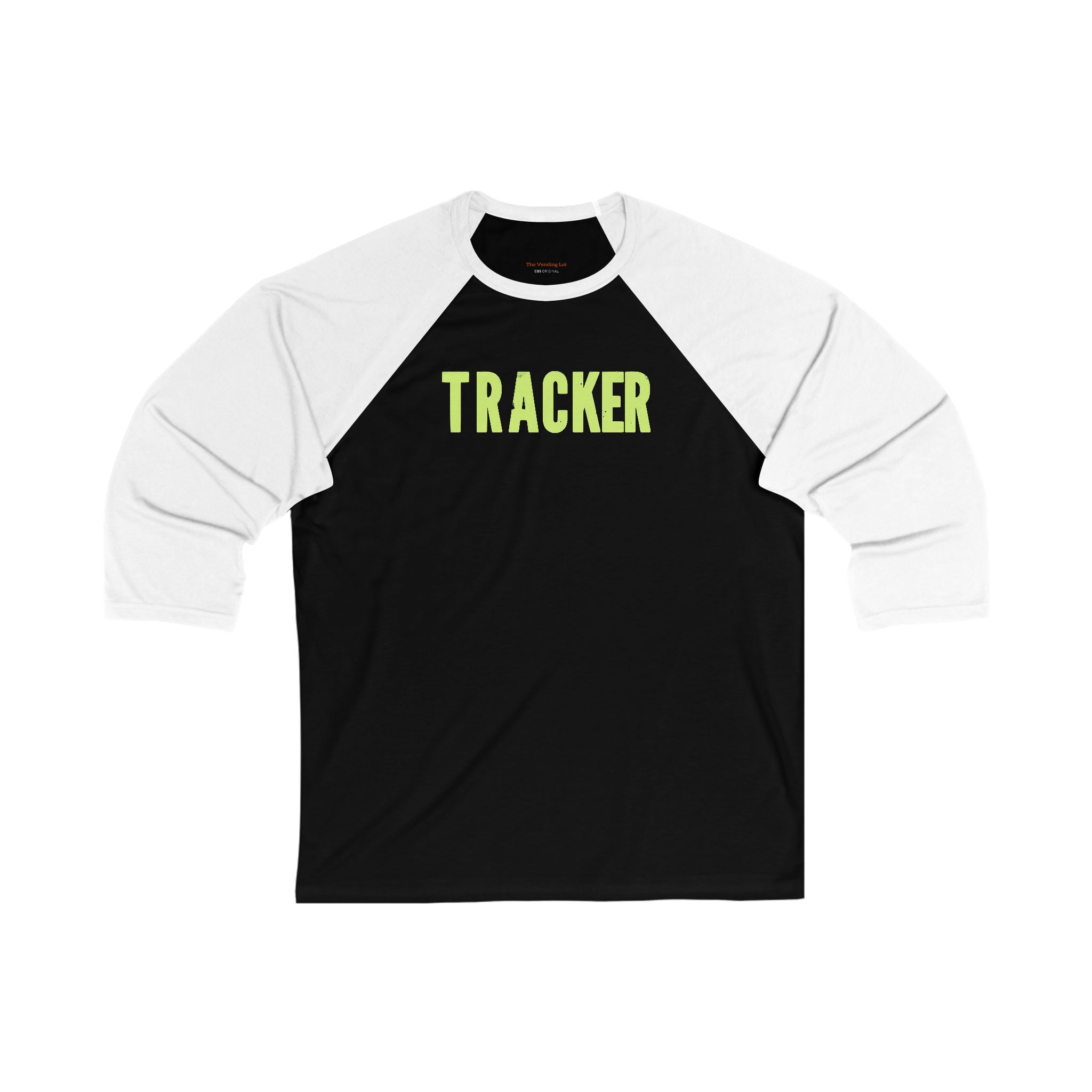
The Big Brother Season 27 Champion Sweatshirt is available between $54.98 and $64.98, providing a mid-range crew neck option from the same Champion manufacturer, while the Big Brother Season 27 Champion T-Shirt, priced between $39.07 and $54.98, brings Champion’s signature cotton construction to the collection’s most versatile and wearable piece. The Big Brother Season 27 Men’s Staple Ringer Tee at $49.98 and the Big Brother Season 27 3/4 Sleeve Baseball Tee, available between $49.98 and $54.98, give the apparel lineup genuine variety in silhouette and style beyond the standard t-shirt and hoodie options that dominate most licensed merchandise collections.
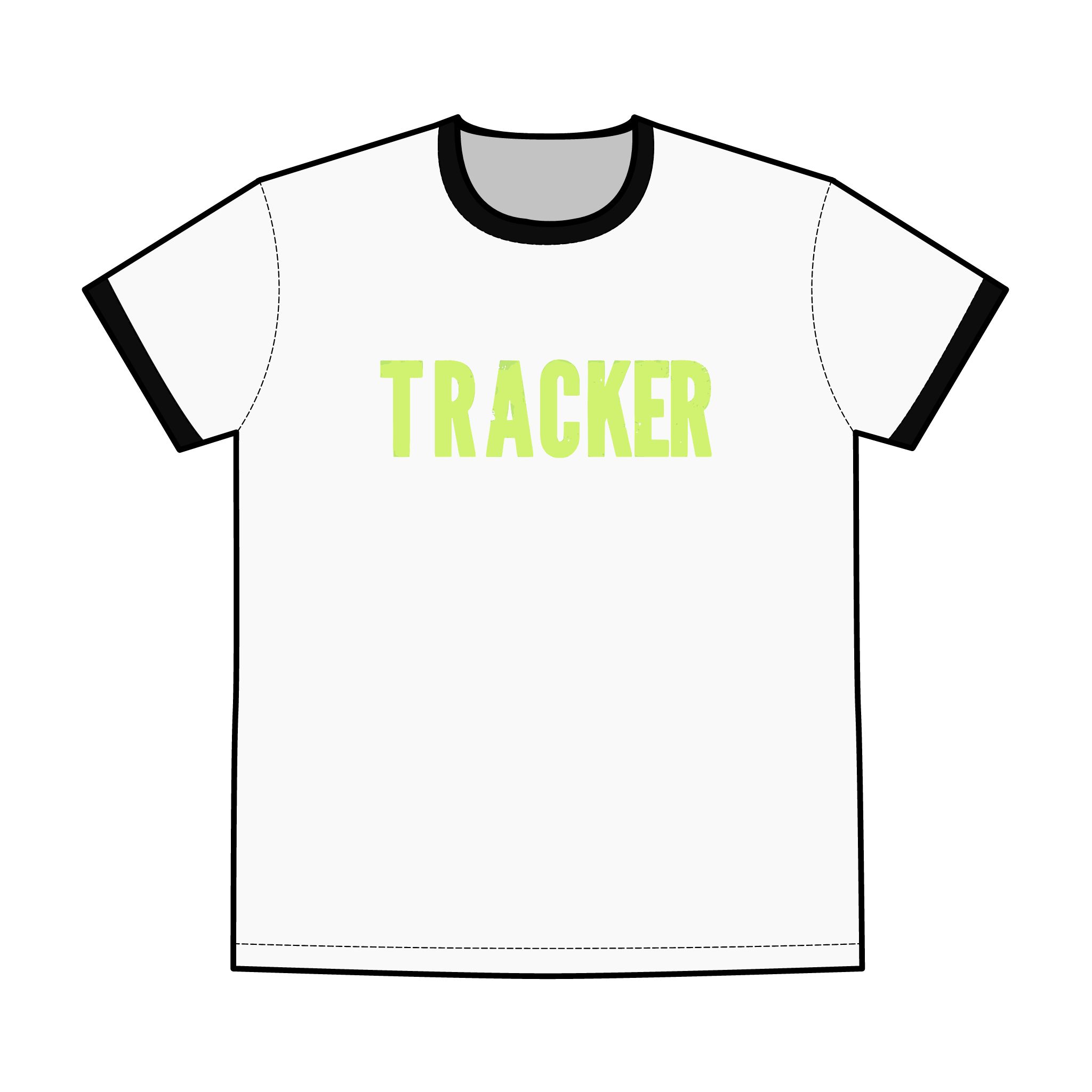
The Big Brother Season 27 Unisex Distressed Cap at $34.98 adds a headwear option that works with essentially any casual outfit, carrying the Big Brother branding in a worn-in, vintage-feeling format that suits the show’s summer cultural identity.

The drinkware and lifestyle accessories in the collection are among the most practically useful pieces The Vending Lot carries for any property, and the Big Brother lineup is particularly well developed in this category. The Big Brother Season 27 Insulated Tumbler in 30oz is priced between $46.65 and $49.98 and is the size most suited to the serious live feed viewer who is settled in for a long session. The insulated construction keeps drinks at temperature whether you are watching the evening CBS broadcast or refreshing the Paramount+ feed at two in the morning waiting for a late-night backdoor conversation. The Big Brother 26 Insulated Tumbler in 30oz at $49.98 and the Big Brother 26 Insulated Tumbler in 20oz at $49.98 provide the Season 26 visual design for fans who want that specific season’s branding. The Big Brother 26 Vagabond 20oz Tumbler at $34.98, the Big Brother Ringneck Tumbler in 20oz at $34.98, and the Big Brother 26 Skinny Tumbler in 22oz at $49.98 each offer distinct tumbler formats at slightly different price points, giving the collection meaningful variety in this category rather than simply repackaging the same product with different artwork.

The Big Brother Season 27 Colorful Mugs are available in both 11oz and 15oz formats between $24.98 and $29.98, making them the collection’s most accessible drinkware option and a genuinely useful everyday piece for the fan whose Big Brother fandom follows them into the morning coffee routine. The Big Brother 27 Jewelry Box at $64.98 is one of the more distinctive items in the entire collection, a functional storage piece that carries the season’s visual identity into a format usually reserved for the most personal and daily-use items in someone’s home. The Big Brother 27 HOH Long Sleeve Kimono Robe and the Big Brother 26 HOH Long Sleeve Kimono Robe are both priced at $44.98 and are among the most literally in-game pieces of merchandise in the collection, referencing the Head of Household robe that is one of Big Brother’s most recognizable visual symbols and one that carries a specific meaning for any viewer who has watched the show’s HoH reveal moments for any length of time. The Big Brother 27 Duffel Bag and the Big Brother 26 Duffel Bag are both priced at $74.98 and are the collection’s most functionally substantial pieces, full-size carry bags that serve a genuine travel and gym purpose while carrying the Big Brother branding. The Big Brother 26 Beach Towel at $39.98 and the Big Brother 26 Boho Beach Cloth at $69.98 connect the show’s summer schedule to the actual season of the year in which it airs, outdoor pieces for the summer months when the show is on the air and the audience is, to the degree possible, spending time outside while mentally processing whatever happened on last night’s episode.

The breadth of this product lineup reflects something genuine about the Big Brother audience. This is a show with one of the most committed superfan communities in American television, a group of viewers who not only watch the broadcast episodes but maintain active monitoring of live feeds, engage deeply in online communities analyzing strategy, and form parasocial relationships with houseguests that persist across years. Those fans want to express their connection to the show in every format of their daily lives, from what they wear and what they drink from to what they carry their things in and how they organize their personal space. The Vending Lot’s 21-product Big Brother collection addresses that desire at every level.

The TV Studio Store at The Vending Lot carries more than 1,250 products across hundreds of television properties, from classic broadcast network series and beloved sitcoms to contemporary streaming prestige dramas, procedurals, animated franchises, and the reality competition genre that Big Brother has led for a generation. The Big Brother section sits within that wider context as one of the store’s most developed reality television collections, a reflection of the show’s cultural weight and its audience’s demonstrated commitment to fan merchandise. The Film Studio Lot, the Merch Stand, On Broadway, and Funko Town extend The Vending Lot’s coverage across cinema, music, live theater, and collectible figures with the same intentional curation that defines the TV Studio Store’s approach to properties like Big Brother. The Vending Lot newsletter on Substack is the direct line to new arrivals, product drops, and the context that makes each collection meaningful for subscribers who want the full story behind what the store carries.

Big Brother Season 28 is airing now, the Time Trip twist is already disrupting alliances, Rick Devens is playing at a level that makes the live feeds essential, Angela Murray’s presence is generating exactly the kind of conflict that drives conversation, and the 1,000-episode milestone is approaching during a season that feels genuinely worthy of the occasion. The full Big Brother collection at The Vending Lot is available now for the fans who want everything the store can offer alongside everything the show is delivering this summer.

ja33659-L__82868

Spider-Man Is Back and Brand New: The Vending Lot’s Spider-Man Collection Arrives Just in Time

There are certain characters in the history of popular storytelling who do not simply appear in a film — they return to it. Peter Parker is one of those characters. Every time he swings back onto a screen, he arrives carrying the accumulated weight of everything that came before: every sacrifice, every loss, every version of himself he has had to rebuild from the wreckage of the last one. And in Spider-Man: Brand New Day, opening in theaters on July 31, 2026, he arrives carrying more weight than ever.

This is the fourth chapter of Tom Holland’s Spider-Man story within the Marvel Cinematic Universe, and by every indication from its premise, its cast, and the creative team assembled to build it, it is the most psychologically demanding entry yet in a trilogy-and-beyond that has never been afraid to put Peter Parker through the kind of experience that most superhero franchises keep at arm’s length. At The Vending Lot’s Film Studio Lot, the Spider-Man collection has been assembled to meet this moment — five carefully chosen products, from precision diecast vehicles to officially licensed playing cards, each one carrying the visual identity of one of the most beloved characters in comics history into a format that rewards the collector, the fan, and anyone who wants to own a piece of something genuinely iconic.

Understanding why these products matter requires understanding what Brand New Day is — and what it means that this film is arriving now, in the summer of 2026, as the next chapter of one of the most emotionally resonant superhero stories the MCU has produced.


Spider-Man: Brand New Day — The Story, the Stakes, and Why This Film Is Different

The title itself is a statement. Brand New Day is the name of one of the most consequential and debated storylines in the history of Spider-Man comics — a 2007–2008 arc that reset Peter Parker’s world in fundamental ways, stripping away relationships and circumstances that had defined him for years and forcing both the character and his readers to rediscover who he was without the scaffolding they had come to rely on. The MCU’s Brand New Day draws from that spirit of radical reinvention without being a direct adaptation of the comic story, using the title to signal exactly what kind of film it intends to be: one about starting over, about the cost of that choice, and about what remains when almost everything has been taken away.

The film is set four years after the events of Spider-Man: No Way Home, in a New York City that has, by the terms of the reality-altering spell Peter chose at the end of that film, completely forgotten that Peter Parker exists. MJ does not know him. Ned does not know him. The city that he has spent years protecting has no memory of the face beneath the mask, and Peter — Tom Holland, reprising the role that has become definitively and irreversibly his across six MCU appearances — has spent those four years channeling the absence of every relationship that mattered to him into total, unrelenting dedication to crime fighting.

He is Spider-Man now in a way he has never been before. Not a kid from Queens trying to balance school and heroism. Not a protégé finding his footing in the shadow of larger figures. Not even a young man trying to hold together the life he loves while doing what his conscience demands. He is the mask, almost entirely, and the person beneath it has been steadily eroding under the weight of that choice.

What the film introduces on top of that premise is something that pushes Brand New Day into territory the Spider-Man franchise has never explored at the cinematic level: a physical mutation. The relentless physical punishment of full-time crime fighting without rest, without emotional recovery, without the grounding that human connection provides, has begun to alter Peter’s biology in ways he did not anticipate. His DNA is changing. The transformation is unexpected, unpredictable, and potentially irreversible — and confronting it requires him to seek help from the one MCU figure whose entire life has been defined by the challenge of existing in a body that keeps becoming something other than what he intended it to be. Bruce Banner, the Hulk, returns in a role that positions Brand New Day as the most science-forward Spider-Man story yet attempted, with Mark Ruffalo bringing his characteristic combination of scientific anxiety and hard-won emotional intelligence to the pairing.

The ensemble around that central relationship is assembled with a precision that signals exactly how much this film intends to raise the stakes. Jon Bernthal’s Frank Castle — the Punisher — arrives in Brand New Day as a presence that forces Peter to confront questions about the ethics of how he does what he does, in a New York where the lines between protection and violence are not always cleanly drawn. Michael Mando’s Mac Gargan, the Scorpion, enters as the film’s primary antagonist: a villain with a long, lethal history with Spider-Man in the comics, a history built on obsession, physical power, and the particular menace of an enemy who takes things personally. And Sadie Sink, making her MCU debut in a role that has been carefully kept from public disclosure ahead of release, arrives as one of the film’s most anticipated and discussed unknowns.

Zendaya returns as MJ and Jacob Batalon as Ned — their relationships with Peter entirely reshaped by what the memory erasure has done to their awareness of who he is, creating a dynamic that is simultaneously familiar and heartbreaking. And threaded through everything is the unseen threat the film’s marketing has been careful not to specify — a villain whose identity remains undisclosed but whose presence in the story is described as genuinely terrifying in a way that the MCU’s Spider-Man films have not previously delivered.

The film is directed by Destin Daniel Cretton, whose work on Shang-Chi and the Legend of the Ten Rings demonstrated an ability to balance high-concept action with emotional intimacy and cultural specificity that made that film one of the MCU’s more distinctive Phase Four entries. The screenplay comes from Chris McKenna and Erik Sommers, the writing team behind Spider-Man: Homecoming, Far From Home, and No Way Home — the duo who have shaped Peter Parker’s cinematic voice across this entire chapter of his story and who understand, better than almost anyone outside the character’s sixty-year comics history, what makes him worth continuing to tell stories about.

Spider-Man: Brand New Day is Phase Six of the MCU. It arrives carrying the weight of everything that has come before it and the mandate to take Peter Parker somewhere genuinely new. It opens July 31, 2026, and the Vending Lot’s Spider-Man Film Studio Lot collection is ready for every fan who wants to hold a piece of this character’s history in their hands right now.


The Products: Five Pieces of Spider-Man History, Each One Worth Knowing

What The Vending Lot has assembled in its Spider-Man section at the Film Studio Lot is a tight, precisely chosen collection of five officially licensed products that each represent a different dimension of the Spider-Man universe — from precision-engineered diecast vehicles and figures to the kind of everyday collectible that earns its place in a fan’s life through sheer quality and daily utility. Every item in the lineup is in stock and available now.

Western Star 57X Truck Tractor — Spider-Man Blue and Red Metallic Hollywood Rides Series, 1/24 Diecast by Jada — $51.99

The Western Star 57X Truck Tractor in Spider-Man Blue and Red Metallic is the most commanding physical presence in the collection — a 1/24 scale diecast model from Jada’s Hollywood Rides series that takes one of the most powerful commercial vehicles on American roads and renders it in the iconic blue and red metallic colorway of Spider-Man’s suit.

The Western Star 57X is not a generic semi-truck. It is a purpose-built heavy hauler with a distinctive design that commands attention on the highway, and at 1/24 scale, Jada’s rendering of it captures the vehicle’s mass and presence without sacrificing the detail that distinguishes a serious collector’s piece from a toy. The Spider-Man colorway transforms the truck from a commercial vehicle into a statement — a fusion of blue-collar American power and the visual identity of the most beloved street-level hero in comics. The metallic finish catches light differently than a flat paint application, giving the piece a dynamic quality that changes depending on how and where it is displayed.

At $51.99, this is the anchor piece of The Vending Lot’s Spider-Man collection — the product that occupies the most visual real estate on a shelf and makes the clearest statement about the collector who chose it.

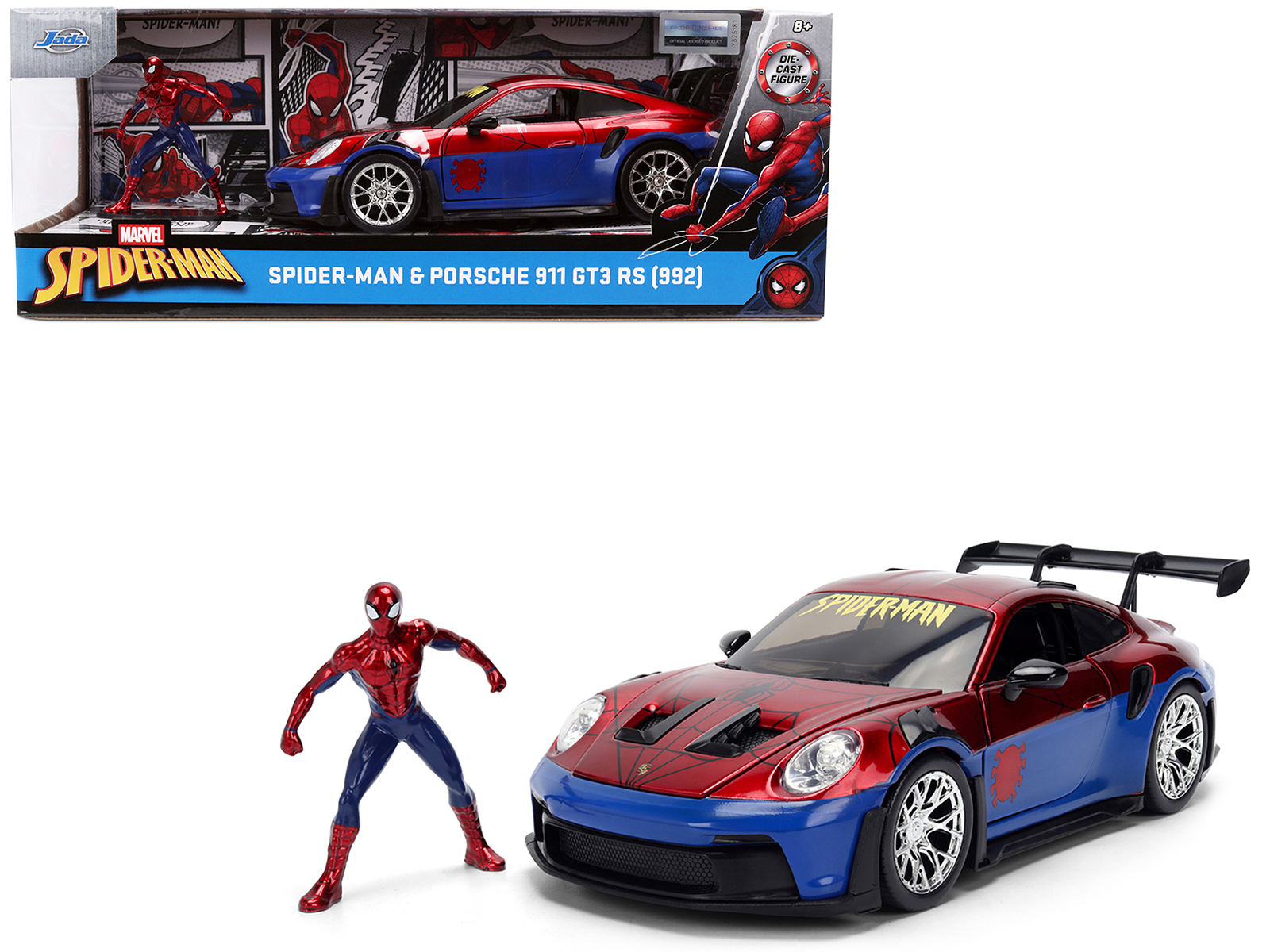
Porsche 911 GT3 RS (996) — Red with Spider-Man Graphics, 1/32 Diecast by Jada — $17.86

The Porsche 911 GT3 RS in Spider-Man red with graphics is a different kind of collectible than the Western Star truck, and the contrast between the two pieces is part of what makes the collection interesting as a whole. Where the truck is about mass and power, the Porsche 911 GT3 RS — one of the most celebrated performance cars in automotive history — is about precision, speed, and the kind of technical perfection that places it in an entirely different category from most production vehicles.

The 996-generation 911 GT3 RS is a track-focused variant of Porsche’s legendary rear-engined sports car, produced in limited numbers for buyers who wanted the closest thing to a racing car that could be legally driven on public roads. Jada’s 1/32 scale diecast rendering brings the car’s distinctive aerodynamic bodywork, wide rear track, and characteristic 911 silhouette to life in red with the Spider-Man graphics applied across the bodywork. At $17.86, it is the most accessible entry point in The Vending Lot’s Spider-Man diecast lineup — a piece that delivers genuine value and genuine quality at a price that makes it an easy addition to any collection.

Set of 4 Diecast Figures — Spider-Man Wave 3 Metalfigs Series by Jada — $37.10

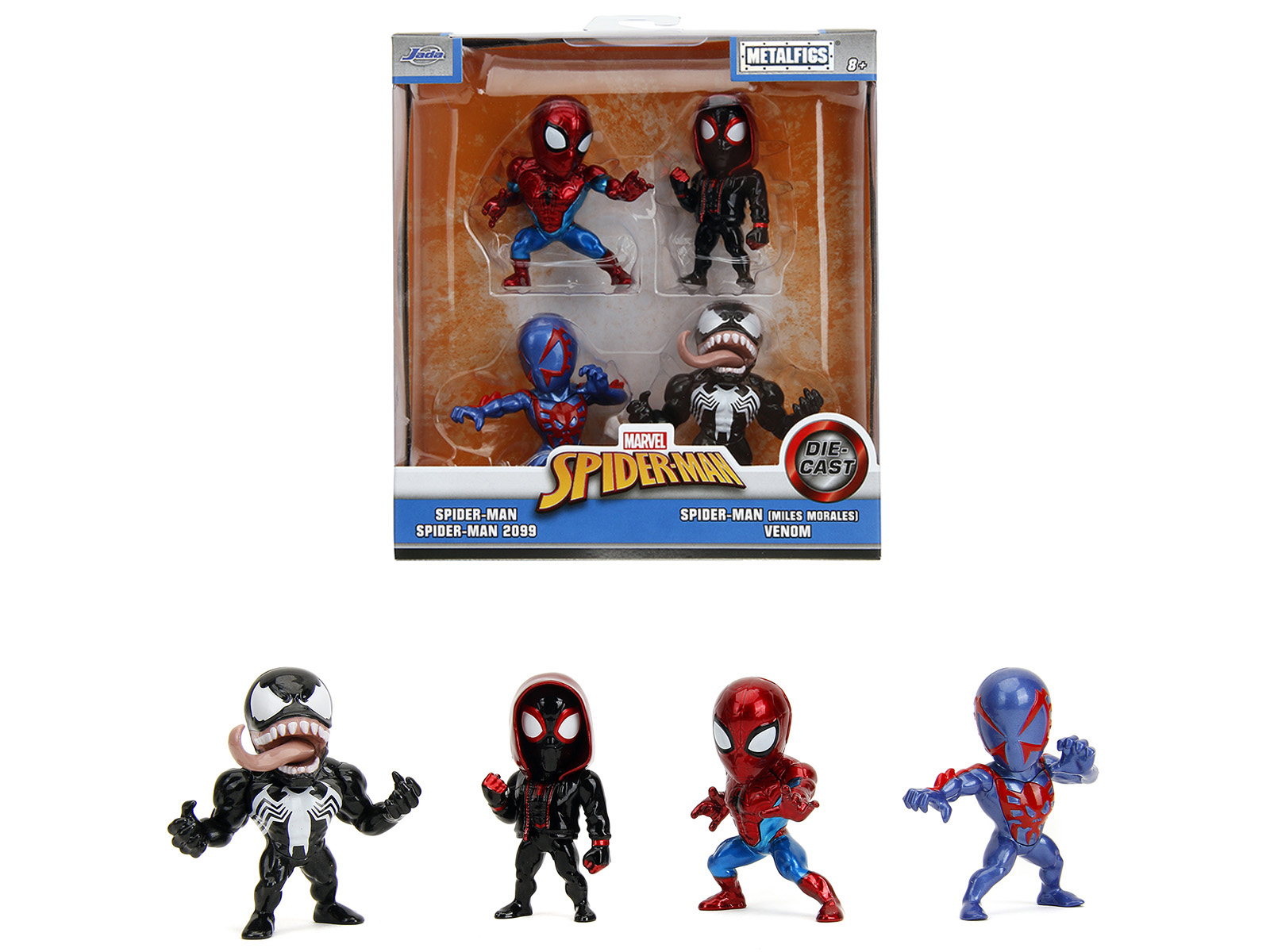
The Spider-Man Wave 3 Metalfigs four-figure set brings the Spider-Man universe’s character depth to the collection in a format that is unique among The Vending Lot’s Spider-Man offerings: four individual die-cast metal figures, each rendered with the precision and detail that defines Jada’s Metalfigs line.

The Metalfigs series occupies a specific space in the collector’s world — figures small enough to display in large numbers without consuming a shelf, but produced with a level of detail and material quality that elevates them above standard action figure territory. Die-cast metal gives each figure a weight and density that plastic cannot match, and the finish quality on Wave 3 reflects the continued refinement of Jada’s approach to this format across multiple series. Four figures at $37.10 works out to exceptional value per piece, and the set format means the entire Wave 3 lineup arrives together rather than requiring individual hunts across multiple sources. This is the collection-within-a-collection piece — the one that rewards the fan who wants representation across the Spider-Man character universe rather than a single focal point.

Spider-Man Poker Cards — Two Variants, $19.98 Each

The Spider-Man Poker Cards and the Spider-Man Poker Cards second variant are each available at $19.98, and both carry the Spider-Man visual identity into a format that bridges the gap between collectible and everyday use in a way that no display piece can match.

A deck of playing cards is, by its nature, a functional object — something that gets handled, dealt, shuffled, and played with. The best officially licensed playing card sets are the ones where the artwork is good enough to make every shuffle feel like an engagement with the visual world of the property, and where the card quality is substantial enough that the deck holds up over extended use. The two variants in The Vending Lot’s Spider-Man lineup offer distinct design approaches to the same universe, making them genuinely different products rather than duplicates of the same card face in different packaging — and at $19.98 each, they represent the most accessible way in the entire collection to bring Spider-Man’s visual identity into daily life rather than onto a shelf.

For the collector who already has their display pieces and wants something to actually use, the poker cards are the answer. For the gift-giver trying to find something a Spider-Man fan will genuinely appreciate and reach for, they are among the most practical choices in the entire store.


Why These Five Products Make Sense Together

The coherence of The Vending Lot’s Spider-Man collection is worth noting, because it is not accidental. These five products do not repeat each other. They do not occupy the same space or serve the same purpose. What they share is the Spider-Man visual identity — the blue and red, the web pattern, the character’s graphic language — applied to formats that each offer something distinct to the person who acquires them.

The Western Star truck is the centerpiece, the piece with the most physical presence and the most visual impact in a display setting. The Porsche 911 GT3 RS is the precision companion — smaller, faster-looking, occupying a different energy in the same display. The Metalfigs four-figure set brings character representation to the mix, connecting the vehicles to the human (or enhanced-human) stories at the center of the Spider-Man universe. And the two poker card variants bring the whole thing into the realm of daily use — making Spider-Man a presence not just on the shelf but in the hand, at the table, in the room where people gather to play games and spend time together.

This is what a curated collection looks like when it is built with genuine intention, and it is why The Vending Lot’s approach to the Film Studio Lot produces results that a generic merchandise aggregator cannot replicate.


Peter Parker, Bruce Banner, and the Question of What Happens When the Body Changes

One of the most compelling aspects of Spider-Man: Brand New Day as a narrative premise is the way it brings two of the MCU’s most beloved characters together around a shared theme that neither of them has ever been able to fully resolve: the experience of inhabiting a body that has been transformed by forces beyond your control, and the challenge of remaining yourself through that transformation.

Bruce Banner has lived inside that question his entire MCU arc. The Hulk is not a condition he chose. It is not a power he mastered and made his own through discipline and training. It is a fundamental alteration of what his body is and what it does under pressure, and the various versions of himself he has had to negotiate across multiple films — the frightened scientist, the reluctant warrior, the integrated Smart Hulk — are all responses to the same core challenge: how do you stay Bruce Banner when Bruce Banner is also capable of becoming something that Bruce Banner would not choose to be?

Peter Parker’s mutation in Brand New Day introduces him to a version of that challenge for the first time. His spider powers were always something he chose to embrace, something he worked to master, something that expanded his capabilities in ways that, however overwhelming at first, ultimately became extensions of who he already was. Whatever his DNA is becoming in this film is not that. It is something happening to him, not something he is doing, and the distinction matters enormously to a character whose entire identity has been built around the idea that with great power comes the responsibility to use it well. What responsibility do you have toward a power you did not choose and cannot fully control?

Mark Ruffalo’s Banner is uniquely positioned to be the person Peter turns to with that question, and the pairing is one of the most thematically rich character combinations the MCU has attempted since the formation of the original Avengers roster. Two scientists, two people changed at the biological level by forces they did not fully understand, two heroes navigating the same territory from very different positions in their respective journeys.


The Wider Context: Spider-Man in the MCU’s Phase Six and Beyond

Spider-Man: Brand New Day does not exist in isolation. It is Phase Six of the Marvel Cinematic Universe, arriving in a period when the franchise is actively reconsidering what it wants to be and how it wants to tell the stories of its characters going forward. The ambition toward more psychologically interior, more character-focused storytelling that defined some of Phase Four’s strongest entries — and that has continued into Phase Five — reaches a new level of focus in Brand New Day, where the entire premise is built around a hero operating without the safety net of the relationships and institutional connections that previous Spider-Man films treated as given.

Peter has no Avengers to call. He has no mentor whose resources he can draw on. He has no best friend who knows his face. He has no girlfriend who loves the person behind the mask. He has the city he has sworn to protect and his own increasingly complicated biology, and the film’s central dramatic question is whether those two things — the commitment to the city and the crisis in his own body — can be navigated simultaneously before the unseen threat the film has been building toward makes that question moot.

For the fans who have followed this character across Homecoming, Far From Home, and No Way Home, Brand New Day is the film that takes everything those three movies set up and follows it to its logical, most demanding conclusion. Peter Parker chose to be forgotten. Brand New Day is the story of what that choice has made of him — and what it might yet unmake.


The Vending Lot Film Studio Lot: Spider-Man Within a Larger Universe

The Spider-Man collection at The Vending Lot’s Film Studio Lot exists within one of the most comprehensive licensed entertainment merchandise destinations anywhere online, and understanding the breadth of what surrounds the Spider-Man section helps explain why The Vending Lot’s curatorial approach produces collections of this quality.

The Film Studio Lot carries officially licensed merchandise for hundreds of theatrical properties — from James Bond and Back to the Future to the full Marvel lineup, Star Wars, Fast & Furious, and dozens of arthouse and independent titles that rarely find their way into mainstream merchandise channels. The Marvel section alone spans individual character collections for Iron Man, Captain America, Thor, Black Panther, Doctor Strange, the Avengers, Guardians of the Galaxy, and many others, with the same curatorial intelligence applied to each — selecting the products that represent each character’s universe most distinctly rather than simply stocking the widest possible range of generic merchandise.

The Merch Stand brings the same depth to music merchandise across over 250 artists spanning jazz, rock, hip-hop, country, metal, electronic, and beyond. The TV Studio Store covers scripted television from network classics to contemporary streaming prestige productions. On Broadway carries stage production merchandise from the classics to current runs. Funko Town houses the full world of collectible vinyl figures.

What connects all of it is the commitment to merchandise that carries genuine cultural weight — products produced at a quality level that honors the property they represent, chosen for the moments when the cultural conversation is most alive. The Spider-Man collection’s arrival timed to the release of Brand New Day is precisely the kind of alignment between product and moment that The Vending Lot consistently delivers.


The Collection Is Ready. The Film Is Coming.

On July 31, 2026, Peter Parker will swing back into theaters in Spider-Man: Brand New Day, carrying four years of isolation, a body in transformation, and a city’s worth of threats that only he can see clearly enough to face. Directed by Destin Daniel Cretton, written by Chris McKenna and Erik Sommers, and starring Tom Holland alongside one of the most carefully assembled supporting casts in the franchise’s history, the film is positioned to be the most emotionally complex and psychologically rich Spider-Man story yet brought to the screen.

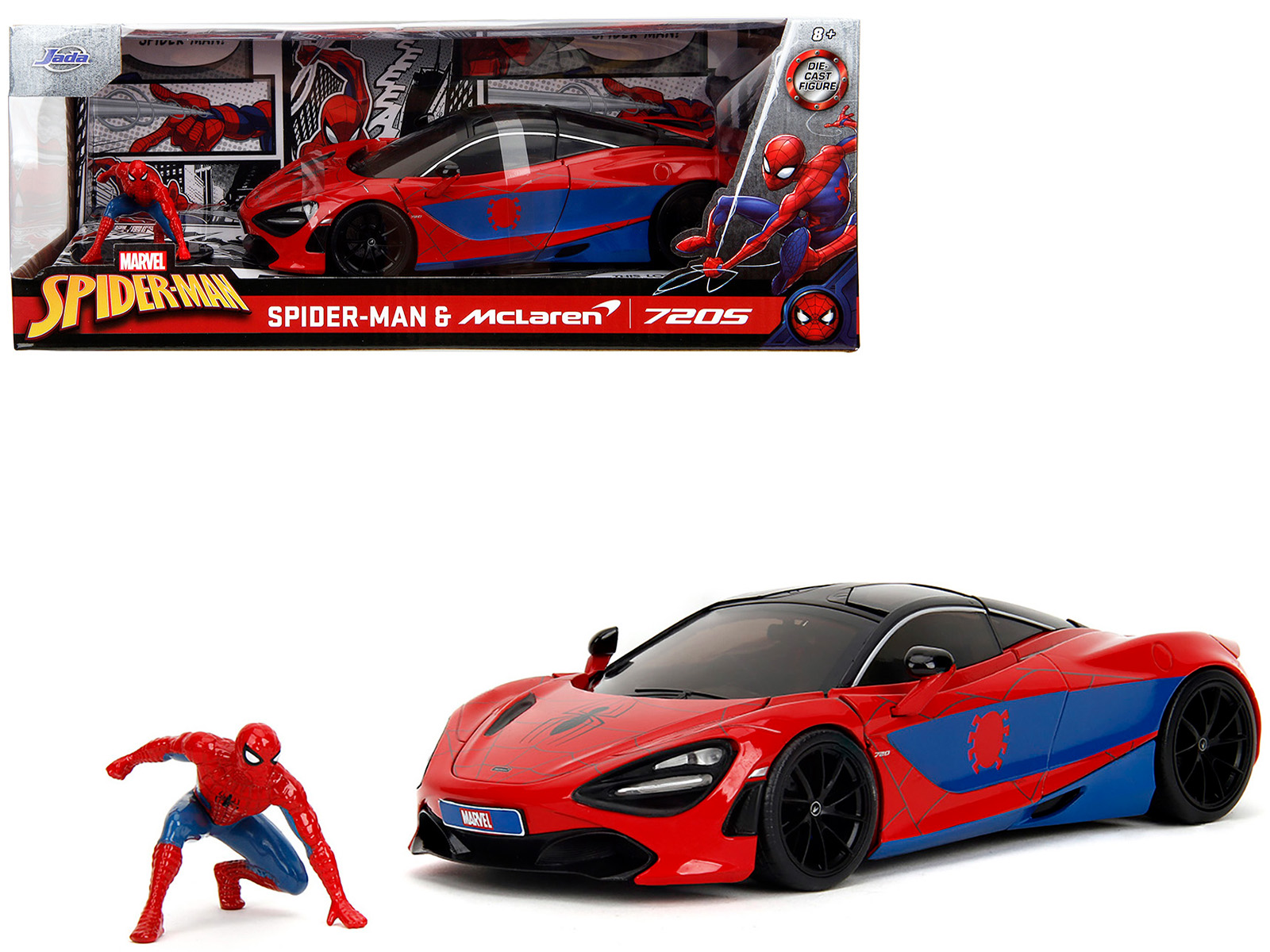
The products in The Vending Lot’s Spider-Man collection are ready for it. The Western Star 57X truck tractor in Spider-Man’s blue and red metallic at $51.99 brings the character’s visual identity to one of the most powerful vehicles on the road. The Porsche 911 GT3 RS at $17.86 brings it to one of the most celebrated performance machines in automotive history. The Metalfigs Wave 3 four-figure set at $37.10 brings the character universe itself into the collection. And the two poker card variants at $19.98 each bring Spider-Man into the everyday, the functional, the daily reach of the hand.

Shop the full collection now at The Vending Lot’s Spider-Man Film Studio Lot section. July 31 is coming, and the wall-crawler has never had a better reason to show up.

10137304199606264659_2048-800x800

How Far Is Too Far? Moana Opens July 10 — and The Vending Lot’s Collection Is Already Calling You to the Water

There is a scene in the original animated Moana — not one of the big musical moments, not a battle with Te Kā, not the heartbreaking conversation with Gramma Tala — where Moana stands at the edge of the reef and the ocean reaches up to meet her hand. It is a moment of pure, wordless recognition between a person and the world that has always been waiting for her. Everything that follows in the film grows from that quiet, extraordinary instant: the journey, the fear, the growth, the becoming.

When Disney first released that film in 2016, it entered the cultural conversation not just as an animated family movie but as something rarer — a story about identity, courage, vocation, and the specific tension between the place you come from and the person you are meant to become that resonated with audiences of every age and background. Nearly a decade later, that story returns to theaters in live action, and the question it asks — how far do you go to become who you are meant to be — has not lost a single degree of its power.

Moana, the live-action reimagining directed by Tony and Emmy Award-winner Thomas Kail, opens in theaters on July 10, 2026, and The Vending Lot’s Film Studio Lot is ready for it — twelve officially licensed Moana products spanning apparel, accessories, and collectibles, available now for the fans who want to carry this story into their everyday lives before, during, and long after opening weekend.


The Live-Action Moana: What Thomas Kail Has Built

The decision to bring Thomas Kail into the director’s chair for the live-action Moana was not an obvious one, and that is precisely what makes it the right one. Kail is not a filmmaker who came up through the blockbuster system. He is the director behind the filmed Broadway production of Hamilton, a Tony and Emmy Award winner whose mastery of the relationship between performance, staging, music, and emotional authenticity has been proven at the highest level of theatrical presentation. He understands — at a level that few commercial directors do — how music functions not just as accompaniment to story but as story itself, how a song can do the work of three scenes of dialogue, and how a performance needs to feel real and intimate even when everything around it is operating at epic scale.

Those are exactly the skills that a live-action adaptation of Moana requires, and the early results suggest Kail has applied all of them. The film closely follows the beloved storyline of the original: the ocean chooses Moana to leave her home island of Motunui, seek out the shape-shifting demigod Maui, recover the heart of Te Fiti, and cross unknown seas to save her people from a slow, creeping darkness consuming everything that grows. What the live-action version adds to that foundation is the texture, weight, and physical reality of performers inhabiting those roles in front of actual cameras — breathing, expressing, moving through water and wind and light in ways that animation, for all its extraordinary artistry, approaches differently.

The film is produced by a team that signals how seriously Disney has approached this adaptation. Dwayne Johnson, Lin-Manuel Miranda, Dany Garcia, Hiram Garcia, and Beau Flynn share producing credits — a gathering of talent around this project that represents both creative investment from the people who know the material most intimately and the kind of institutional commitment that Disney reserves for the properties it considers most important.


Catherine Lagaʻaia and the Weight of a Debut

The most anticipated and most scrutinized element of any live-action Disney adaptation is the casting of the protagonist, and the choice of Catherine Lagaʻaia to make her feature film debut as Moana is one that carries more genuine creative logic than most such casting decisions manage to achieve.

Lagaʻaia is not a manufactured star inserted into a role because the algorithm suggested her. She arrives with the cultural connection and the artistic preparation that the role demands — a performer whose background, heritage, and evident commitment to the character give her portrayal an authenticity that cannot be manufactured in a casting session. Making your feature film debut in a Disney live-action remake of one of the studio’s most beloved animated films is an extraordinary amount of pressure, and the early conversations around the film suggest that Lagaʻaia has met that pressure not by replicating what came before but by finding her own version of Moana — the version that only she can play.

The creative decision to include an original new song, “Along the Way,” written by Lin-Manuel Miranda, adds a dimension to the film that is genuinely moving in concept: it is structured as a musical conversation between Lagaʻaia’s live-action Moana and Auliʻi Cravalho, the original voice actress from the 2016 animated film, who serves as an executive producer on this production. The song is not just a piece of new music added to an existing score. It is a formal acknowledgment of the continuity between the two versions of this story — an artistic passing of the torch that honors what came before while making space for what is arriving now. Miranda, whose work on the original Moana score was itself a career-defining achievement, brings the same melodic intelligence and lyrical specificity to “Along the Way” that made songs like “How Far I’ll Go” and “You’re Welcome” instant cultural touchstones.


Dwayne Johnson in the Flesh: Maui Returns to the Real World

One of the most distinctive creative choices in the original animated Moana was the casting of Dwayne Johnson as the voice of Maui — not because Johnson is a voice actor but because the character’s combination of enormous physical presence, comic timing, surprising emotional depth, and the specific energy of someone who has spent millennia being both celebrated and self-deceiving maps directly onto Johnson’s own public identity in ways that felt almost pre-ordained. The chemistry between Maui and Moana in the animated film was built on that casting, and it carried the film through its most demanding emotional sequences.

The live-action version makes the decision that was perhaps always inevitable: Dwayne Johnson does not merely voice Maui. He physically plays him, inhabiting the role on screen in full, and the implications of that choice for the dynamic between Maui and Moana are significant. The relationship between a Polynesian teenage girl and a shape-shifting demigod who has convinced himself that his greatness is defined by the things he has given humanity rather than by who he actually is — a relationship that functions simultaneously as mentor-and-student, comic duo, adversaries, and, ultimately, something approaching equals — is the emotional engine of the entire story. With Johnson in the role physically rather than just vocally, every scene between Maui and Moana carries a different kind of weight, and the grounding that physical performance provides to what is otherwise an extraordinarily fantastical premise becomes part of how the film makes its emotional arguments.

The surrounding cast deepens the world of Motunui and the ocean beyond it with equal care. John Tui brings Chief Tui — Moana’s father, the man who loves his daughter fiercely and fears for her equally — to life with the dignity and protectiveness the character requires. Frankie Adams plays Sina, Moana’s mother, completing the family portrait at the center of the story’s emotional stakes. Rena Owen, one of New Zealand cinema’s most celebrated performers, takes on the role of Gramma Tala — the eccentric, ocean-whispering grandmother whose relationship with the deeper truth about Moana’s destiny drives some of the most affecting moments in the original film and promises to deliver something equally powerful here. And Jemaine Clement returns — not as a voice in an animated sequence but in the live-action world — to reprise his role as Tamatoa, the shiny, narcissistic, luminescent giant crab whose gleaming obsession with beautiful objects and theatrical villainy made him one of the most delightfully unexpected creations in the original film.


The Story That Has Always Mattered, and Why It Matters Now

It is worth pausing to ask why this story — this specific one, about this specific character, crossing this specific ocean — has resonated so deeply across cultures and age groups since 2016, because the answer tells you something important about why the live-action version arrives with so much anticipation attached to it.

Moana is, at its core, a story about the tension between inherited identity and discovered self. Moana is the daughter of a chief on an island where no one has sailed beyond the reef for generations, and the entire weight of her community’s tradition and her father’s love presses her to stay, to lead, to become the person the island needs her to be. And the ocean has chosen her for something else. The story does not resolve that tension by declaring one side right and the other wrong — it resolves it by discovering that Moana’s capacity to lead her people is inseparable from her willingness to become who she truly is, and that the journey beyond the reef is not a betrayal of her home but the very thing that makes her the leader her people need.

That is a story that lands differently for different audiences. For children, it is an adventure about bravery and finding your own path. For parents, it is a story about the love that has to let go. For anyone who has ever felt caught between the expectations of the people they love and the pull of who they sense themselves to be, it is something closer to a mirror. The original animated film earned its place in the cultural canon precisely because the story operates at all of those levels simultaneously, and Thomas Kail’s live-action version inherits that richness intact.

The choice to include photo-realistic CGI versions of Heihei, the spectacularly incompetent rooster, and Pua, Moana’s devoted pig companion, signals that the film is not attempting to strip away the warmth and gentle humor of the original in pursuit of a harder-edged realism. These characters exist in the animated film as emotional anchors — Pua as the embodiment of home and innocence, Heihei as the film’s great cosmic joke that somehow becomes its most unexpectedly moving element. Their presence in the live-action version in realistic form is both a technical achievement and a creative statement about what this adaptation intends to preserve.


Lin-Manuel Miranda, the Score, and the Music That Travels With Us

No account of Moana — animated or live action — can avoid confronting the music, because the music is not decoration. It is architecture. The original score, written by Miranda in collaboration with Opetaia Foaʻi and Mark Mancina, is one of the most formally accomplished pieces of work that any of them has produced, building a sound world that draws from Polynesian musical traditions, Broadway compositional technique, and a melodic gift for songs that feel simultaneously ancient and immediate.

“How Far I’ll Go” entered the global culture almost the moment the film released and has remained there since — not because it is a catchy pop song constructed for radio play but because Miranda wrote a lyric that captures the specific emotional texture of being pulled toward something you cannot name and cannot resist, and set it to a melody that rises with the force of that pull. “You’re Welcome,” by contrast, is a masterclass in character comedy songwriting, a number that tells you everything you need to know about who Maui is, how he sees himself, and why both of those things are going to have to change. These are songs built to do real narrative work, and they have been doing it for a decade.

“Along the Way,” the original song Miranda has written for the live-action film, enters into a genuine conversation with that existing musical legacy rather than attempting to compete with it. The structural decision to have Lagaʻaia and Cravalho perform together in a song that is partly a dialogue between the two versions of Moana is the kind of creative choice that only makes sense if you trust both performers and trust the audience to understand what you are doing with it. Miranda’s writing has earned that trust many times over, and the early reception to the song suggests it has landed in the spirit it was intended.


The Vending Lot’s Moana Collection: Twelve Ways to Carry the Story With You

The Vending Lot’s Moana collection within its Film Studio Lot brings twelve officially licensed products to the fans who want to wear, use, and collect their way into this story’s world. The collection spans the range of product categories that The Vending Lot has established as its standard for film franchise merchandise — apparel designed and produced to the quality standards that serious fan merchandise demands, accessories built for daily use rather than one-time display, and collectibles that carry the visual identity of the film into formats that reward the dedicated collector.

The apparel in the collection reflects The Vending Lot’s established commitment to premium materials and production quality. Where lower-tier licensed merchandise treats fabric as an afterthought and print quality as something to be minimized in service of margin, The Vending Lot consistently sources its apparel from manufacturers whose construction standards — combed and ring-spun cotton, substantial fabric weights, set-in sleeves, structured fits — produce garments that feel worthy of the properties they represent. Moana’s visual world is a rich one: the teal and orange of the ocean and the sunset, the deep blues of open water, the vibrant patterns of traditional Polynesian textile design, and the specific visual identity that Disney and the film’s creative team have built around the characters. Apparel that carries that identity deserves to carry it well, and the Moana collection at The Vending Lot is built to that standard.

The accessories in the collection bring the practicality that makes fan merchandise genuinely useful rather than merely decorative. Tote bags, drinkware, and everyday carry items in Moana’s visual vocabulary are the kind of products that embed the story into the daily rhythms of life rather than keeping it behind glass. For a film whose central theme is taking what you love with you on the journey — literally, in the case of Moana’s necklace and her relationship with the ocean — merchandise designed for use rather than just display feels philosophically aligned with what the story is actually about.

The collectible tier of the collection serves the dedicated fan and the serious collector who wants to own something that marks this specific moment in the film’s history — the transition from animation to live action, the arrival of a new Moana, the continuation of a story that has mattered to millions of people for nearly a decade. These are the pieces that will mean something different in five years than they do today, because they mark a specific cultural turning point in the history of a beloved property.

Browse the complete Moana collection at The Vending Lot’s Film Studio Lot to find the specific pieces currently available — new inventory arrives regularly, and the collection is positioned to grow alongside the film’s theatrical run and beyond.


Thomas Kail and the Art of Adaptation

Thomas Kail’s credentials for this project deserve deeper examination than a résumé line allows, because understanding what he brings to Moana helps explain why the live-action version has the potential to be something genuinely distinct from the wave of Disney live-action remakes that preceded it.

Kail’s work on Hamilton — both the original Broadway production and the filmed version released on Disney+ in 2020 — demonstrated a specific and rare skill: the ability to take material that is already extraordinary in one format and find a way to present it in another format that honors the original’s power without simply replicating it. The filmed Hamilton was not a stage recording. It was a cinematic document of a theatrical event, and Kail’s camera work, editing instincts, and understanding of how to serve both the performers and the audience across two different formats simultaneously produced something that introduced the show to millions of viewers who had never seen it live and gave those who had something genuinely different from the experience they remembered.

Those instincts — for performance, for the relationship between music and camera, for how to make an epic story feel intimate and how to make an intimate story feel epic — are precisely what the live-action Moana needs. The original animated film is a masterwork of animation precisely because it uses the freedom of that format to build a world that is visually overwhelming in scale while remaining emotionally close in focus. The live-action version has to find a different way to hold those two qualities simultaneously, and Kail’s entire career has been building toward exactly that kind of problem.


Why the Merchandise Moment Matters

There is a window in the life of every major theatrical release when the connection between the film and the audience is at its most alive — when the conversations are happening everywhere, when the music is playing in everyone’s head, when the characters have just become new versions of themselves in a new context that audiences are still processing and absorbing. The merchandise that exists during that window carries a different kind of meaning than the merchandise that arrives after the cultural conversation has moved on.

The Vending Lot’s Moana collection is available right now, during exactly that window. The film opens July 10, 2026, and the twelve products in the collection are in stock and ready for the fans who want to mark this moment in a way that lasts. A shirt from the week of opening. A collectible from the year when Moana crossed from animation into live action. A tote bag that you carry to the theater and carry home and carry everywhere afterward, reminding you every time you reach for it that you were part of the audience that saw this story become something new.

That is what the best fan merchandise does. It does not just represent a property — it documents a relationship between a person and a story at a specific point in time. And the time, for Moana, is right now.


The Vending Lot Film Studio Lot: Where Disney Lives Alongside Everything Else

The Moana collection at The Vending Lot exists within a Film Studio Lot that covers Disney and Walt Disney Pictures properties across decades and dozens of titles — from the animated classics that defined the studio’s golden eras to the contemporary live-action productions that are reimagining those stories for new generations. The Moana section sits alongside collections for other beloved Disney properties, each one treated with the same curatorial seriousness and the same commitment to merchandise quality that has defined The Vending Lot’s approach to every property it carries.

Beyond Disney, the Film Studio Lot spans hundreds of theatrical properties across every genre and era — James Bond, Marvel Studios, Back to the Future, Spider-Man, Mission Impossible, National Treasure, the Paddington films, and dozens of others representing the full breadth of what cinema has produced across more than a century. The Merch Stand carries music merchandise for over 250 artists. The TV Studio Store covers scripted television from network classics to streaming prestige. On Broadway serves the stage production community. Funko Town brings collectible vinyl figures from across the entertainment world together in one place.

The Vending Lot newsletter on Substack is the direct line to what is arriving next — new drops, feature coverage, and the cultural context that makes merchandise meaningful for the readers who want the full story, not just the product page.


The Ocean Has Called Again — Answer It

The ocean chose Moana. And on July 10, 2026, Thomas Kail’s live-action version of that choice arrives in theaters with Catherine Lagaʻaia in the role, Dwayne Johnson embodying Maui in the flesh, a new Lin-Manuel Miranda song passing the torch between two generations of Moana, and the full weight of one of Disney’s most beloved modern stories reimagined for live-action cinema.

The Vending Lot’s twelve-product Moana collection is ready for all of it — the opening weekend, the months of theatrical run, and the years of collecting that follow. Whether you want to wear the story, carry it, collect it, or simply own a piece of a cultural moment that matters, the collection is available now at The Vending Lot’s Film Studio Lot.

The heart of Te Fiti is waiting. So is your next favorite piece of fan merchandise. How far will you go?

7473970132209681461_2048

Take the Music Everywhere: The Vending Lot’s Bluetooth Speaker Collection Is the Ultimate Companion for Life on the Move

There is a specific kind of freedom that comes from being able to carry your music with you without compromise — into the mountains, onto the water, through a festival crowd, down a city trail, or into any outdoor space that feels incomplete without a soundtrack. The best portable Bluetooth speakers don’t just play music. They become part of how you experience a place. They turn a hiking break into a genuine moment. They make a campfire feel like a concert. And when the speaker you reach for carries the artwork and identity of one of the bands or artists that has defined your musical life, the experience becomes something more than portable audio. It becomes an expression of who you are.

The Vending Lot’s Bluetooth speaker collection is built on exactly that understanding. Twenty-one officially licensed speaker products, spanning two distinct form factor lines across some of the most celebrated names in music history, designed for fans who refuse to leave their music at home when the world is calling them outside. This is the most comprehensive entertainment-licensed portable speaker collection available through a single destination, and every product in it is built around hardware that takes the outdoor environment seriously.


Two Product Lines, One Purpose: Understanding the Blackwater and the Jabba

Before diving into the specific artists and designs that make this collection extraordinary, it helps to understand the two hardware platforms the collection is built on, because they serve related but distinct roles and knowing which one fits your life is the starting point for every purchase decision.

The Blackwater Outdoor Bluetooth Speaker is the collection’s flagship outdoor product, and the one that opens this feature because it represents the most complete solution for fans who spend real time in real outdoor environments. IPX6-certified water resistance is not a marketing flourish — it is a technical specification that means the speaker can withstand powerful water jets from any direction without incurring damage. For practical purposes, this means rain on a hike doesn’t end the music. Splashing at a lakeside campsite doesn’t destroy your speaker. A sudden downpour at an outdoor gathering doesn’t require you to panic and run for shelter.

The Blackwater pairs that weather resilience with a compact form factor that slips into a backpack without consuming meaningful space. A built-in carabiner clip — not an accessory sold separately, but a clip included with the product — means the speaker can attach to a bag, a belt loop, a tent pole, or a gear strap without requiring you to find a stable flat surface every time you want music. Bluetooth connectivity reaches up to 33 feet, giving you genuine freedom of movement relative to whatever device is running your playlist. The built-in microphone and music controls mean you can manage playback without reaching for your phone, and the micro USB charging cable is included in the box. The Blackwater delivers two hours of music at maximum volume — sized perfectly for the kind of focused outdoor activities where you want a soundtrack without needing an all-day power supply.

The Jabba Bluetooth Speaker is the collection’s indoor-friendly, compact companion — a speaker built for desk listening, apartment sessions, travel hotel rooms, and shorter outdoor excursions where weather resistance is a secondary concern. Its smaller profile and lower price point make it the accessible entry point into the collection, and the range of designs available means that every fan can find the artist identity they want to carry in the most convenient format.

Both lines carry official licensed artwork from their respective artists, and both are offered in multiple design variants — meaning that a Grateful Dead fan, a Rolling Stones devotee, a U2 devotee, a Coldplay enthusiast, and an ELO obsessive can each find a speaker that speaks specifically to their musical identity, not just a generic product with a logo applied as an afterthought.

Blackwater models are priced at $44.98 across most of the collection, with the ELO Blackwater available at $39.98. Jabba models are priced at $33.85 throughout the collection, with ELO’s Jabba listed at $44.98. Both lines represent a genuine value proposition for officially licensed fan merchandise that also functions as serious portable audio hardware.


The Grateful Dead: The Collection’s Deepest Expression

No artist in The Vending Lot’s Bluetooth speaker collection has a deeper or more varied presence than the Grateful Dead — and no artist in rock history has a more natural connection to the idea of taking music on the road into the world, because the Grateful Dead and their devoted following literally built an entire culture around exactly that premise.

The collection carries no fewer than nine Grateful Dead speaker variants across both product lines, spanning multiple design identities drawn from the band’s vast visual catalog. The Blackwater lineup alone includes the Skeletons from the Closet design, the Steal Your Face standard edition, the Steal Your Face metallic edition, the Steal Your Face AI design, and additional variants that reflect the depth and breadth of what five decades of Grateful Dead visual culture has produced. The Jabba lineup mirrors this range, with the standard Steal Your Face, the metallic Steal Your Face, the AI design, and a Tribute to Freedom variant rounding out the Dead’s representation in the portable speaker category.

This depth of coverage reflects something real about the Grateful Dead and their audience. Deadheads — the community of devoted fans who followed the band across thousands of shows, who traded tapes and built a touring subculture around the music — have always understood that the Grateful Dead’s music is not meant to be experienced passively, sitting still, contained within four walls. It is music that moves, that travels, that sounds different under open sky than it does in a living room, and that belongs on the road as much as it belongs on the stage. A Grateful Dead Blackwater speaker clipped to a hiking pack is not a novelty. It is the continuation of a decades-old tradition of bringing this music into the spaces where it was always meant to be heard.

The Skeletons from the Closet design draws from one of the most recognizable pieces of Grateful Dead artwork, the 1974 compilation cover that has become one of the most iconic images in the band’s visual history. The Steal Your Face lightning bolt skull — first used in the early 1970s to mark the band’s own equipment for easy identification on the road — has become one of the most universally recognized symbols in all of rock music, and its metallic and AI-rendered variants in the Jabba line bring new visual dimensions to one of the most familiar images in fan merchandise. Browse the full Grateful Dead speaker selection at The Vending Lot.


Bob Marley: Music That Was Born Under Open Sky

The Bob Marley Blackwater Outdoor Bluetooth Speaker and the Bob Marley Jabba Bluetooth Speaker bring the Tribute to Freedom design — one of the most celebrated visual representations of Marley’s image and legacy — to the portable speaker category, and the match between this artist and this product type is as natural as any in the collection.

Bob Marley’s music is fundamentally music of the outdoors, of open air, of community gathering, of movement and travel and the kind of celebration that happens when people who share something important find themselves in the same place at the same time. Reggae was born in the heat of Kingston and carried across the world by an artist whose vision of music as liberation was literal, not metaphorical. Playing Bob Marley through a waterproof portable speaker on a Caribbean beach, at a rooftop gathering, beside a river, or at any outdoor space that calls for that specific combination of groove and philosophy is not just aesthetically appropriate — it is genuinely faithful to what the music was made for.

The Tribute to Freedom artwork, carried across both the Blackwater ($44.98) and the Jabba ($33.85) versions, brings Marley’s visual identity to the hardware in a form that honors the legacy while functioning as a genuinely capable piece of portable audio equipment. These are speakers built for the kind of outdoor listening that Marley’s music was always inviting.


The Rolling Stones: The Lips That Follow You Anywhere

The Rolling Stones Blackwater Outdoor Bluetooth Speaker and the Rolling Stones Jabba Bluetooth Speaker carry the Lips and Tongue — the most recognizable logo in rock and roll — on hardware that is as bold in its purpose as the image it carries.

The Rolling Stones have been the world’s greatest rock and roll band for over sixty years, and their Lips logo, designed by John Pasche in 1970, is one of the most instantly recognizable pieces of commercial art in the history of popular music. Mick Jagger’s mouth and tongue, abstracted into a pure graphic statement, has appeared on everything from concert programs to stadium banners to the tails of private aircraft, and it carries the same instant recognition on a portable Bluetooth speaker as it does anywhere else it appears.

The Blackwater version at $44.98 is the outdoor companion for Stones fans who take their listening seriously in environments that take their equipment seriously. The Jabba at $33.85 is the desk and travel companion for the fan who wants the world’s most famous rock logo within reach without needing full outdoor capability. Both carry the visual identity that has represented rock’s most enduring band for five and a half decades. Browse both at the Rolling Stones section of The Vending Lot.


U2: The Band That Plays Arenas Fits in Your Pocket

The U2 Blackwater Outdoor Bluetooth Speaker at $44.98 and the U2 Jabba Bluetooth Speaker at $33.85 bring one of the most globally celebrated bands in rock history to the portable speaker category — and the fit is as clear as the band’s reputation for sonic ambition at any scale.

U2 has always been a band that thinks about sound in terms of space — the way music fills a stadium, the way a guitar line can expand to fill whatever environment it inhabits.

Carrying U2’s visual identity on a Blackwater speaker that you clip to your gear and take into the world is, in a meaningful sense, carrying a piece of that sonic philosophy with you.

The IPX6 weather resistance means that U2 follows you through rain and mist and river crossings, which feels appropriate for a band from the west coast of Ireland.


Coldplay and Tomorrowland: Where Music Culture Meets Festival Culture

The Coldplay and Tomorrowland speaker offerings represent the collection’s connection to two of the most visually and sonically ambitious entities in contemporary popular music — one a band defined by stadium spectacle and color, the other the world’s most celebrated electronic music festival brand.

The Coldplay Blackwater Outdoor Bluetooth Speaker at $44.98 and the Coldplay Jabba at $33.85 bring the visual identity of a band that has made LED wristbands, confetti cannons, and chromatic light shows the defining elements of the live concert experience to hardware designed for outdoor listening. Coldplay’s recent work has pushed increasingly toward electronic and ambient textures alongside their anthemic rock foundation, making them one of the most acoustically interesting bands to experience through quality portable speakers in outdoor settings.

Tomorrowland, the Belgian electronic music festival that draws hundreds of thousands of attendees to the city of Boom each summer for what is widely considered the most spectacular outdoor festival production on the planet, brings its own visual identity to both the Tomorrowland Blackwater Outdoor Bluetooth Speaker at $44.98 and the Tomorrowland Jabba at $33.85. For fans of electronic music who understand that the festival experience extends beyond the weekend itself — who want to carry the energy and identity of Tomorrowland into their daily outdoor listening — this speaker is the most direct merchandise connection available between the festival world and the portable audio world.


Electric Light Orchestra: The Orchestra That Goes Wherever You Go

Electric Light Orchestra has spent over five decades making records that fuse orchestral grandeur with rock immediacy, and the result is a catalog that rewards high-quality speakers capable of rendering both the richness of strings and the punch of electric bass and drums simultaneously. The ELO Blackwater Outdoor Bluetooth Speaker at $39.98 and the ELO Jabba Bluetooth Speaker at $44.98 bring ELO’s spacecraft logo — one of the most distinctive visual identities in classic rock — to hardware that can follow fans into the outdoor spaces where Jeff Lynne’s recordings sound completely at home.


Green Day: Punk That Doesn’t Know When to Come Inside

Green Day has built one of the most loyal fan bases in contemporary rock by refusing to dilute their energy across three decades of recording and touring, and the Green Day Blackwater Outdoor Bluetooth Speaker at $44.98 and the Green Day Jabba Bluetooth Speaker at $33.85 bring that energy to a product category that demands durability and personality in equal measure.

Green Day’s visual identity — built on the heart grenade logo and the bold graphic language of the American Idiot era — translates powerfully to a compact portable speaker that is designed to go wherever its owner goes, regardless of weather or terrain. For a band that has always positioned itself as music for people who don’t follow conventional rules, a waterproof outdoor speaker feels like the correct format.


The Technology That Makes All of It Work

The hardware specifications shared across The Vending Lot’s Blackwater lineup deserve examination on their own terms, because the combination of features represents genuine outdoor capability rather than a list of marketing claims.

IPX6 waterproof certification is the defining technical specification of the Blackwater line. The IPX rating system classifies water resistance across a scale from 0 (no protection) to 8 (submersion capable), and IPX6 indicates complete protection against powerful water jets. This is a meaningful standard for outdoor use — it means the speaker can handle anything short of full submersion, covering essentially every scenario an outdoor listener is likely to encounter short of dropping the unit into a lake.

Bluetooth range of 33 feet — approximately ten meters — provides the kind of working distance that makes the speaker genuinely useful for outdoor gatherings, campsite listening, and any situation where the audio source is not immediately adjacent to the speaker. This range accommodates a typical outdoor social gathering without requiring everyone to cluster around a central point.

Built-in microphone and music controls are features that matter more in outdoor use than they might seem. When your hands are occupied with gear, when your phone is in your pack, or when you simply don’t want to pull out a device to skip a track or adjust volume, having those controls on the speaker itself is the difference between a fluid listening experience and a frustrating one.

Carabiner clip included — not as a premium add-on, not as a separate accessory purchase, but included with the speaker — is the feature that defines how this product is meant to be used. Attach it to your gear and go. The music follows you.

Micro USB charging cable included means you have everything you need in the box to go from purchase to use without additional purchases.

Two hours of music at maximum volume is a spec that deserves honest framing: this is a speaker built for a morning hike, a lunchtime outdoor session, or a focused outdoor activity rather than an all-day power supply. For users who need longer battery life, keeping the volume at moderate rather than maximum levels will extend playback considerably. For users who need all-day power, a Jabba used at home or in lower-demand settings keeps the Blackwater reserved for its outdoor purpose.


The Vending Lot: The Store That Carries the Whole Culture

The Bluetooth speaker collection exists within The Vending Lot’s broader universe, and understanding that universe helps explain why this speaker collection carries the depth and intentionality it does. The Vending Lot is not a generalist merchandise platform that happens to carry some music products. It is a curated entertainment merchandise destination organized around specific cultural properties — music, film, television, theater — and committed to carrying products that honor those properties with the quality and specificity they deserve.

The Merch Stand carries over 1,200 products spanning hundreds of musical artists across every genre and era, from jazz legends to progressive rock icons to hip-hop titans to contemporary pop and electronic artists. The Film Studio Lot carries official licensed merchandise for hundreds of theatrical properties. The TV Studio Store covers scripted television from classic network era series to contemporary prestige streaming content. On Broadway serves the stage production fan community. Funko Town brings collectible vinyl figures from across the entertainment world together in one accessible destination.

The speaker collection sits within this ecosystem as one of the most cross-functional product categories The Vending Lot carries — merchandise that is not just displayed or worn but actively used, carried into the world, and heard every time a listener presses play. There are not many fan merchandise items that produce music. The Vending Lot’s speakers are among the rare few, and that makes them a different kind of purchase from a t-shirt or a collectible. They are functional objects that carry cultural identity into active daily life.

Stay connected to new arrivals, drops, and cultural context through the Vending Lot newsletter on Substack — the direct line to the stories behind the merchandise for the readers who want more than a product listing.


Choosing Your Speaker: A Framework for the Decision

The collection’s breadth means that the first question is not which product to buy — it is which artist’s identity you want to carry with you, and which format serves the way you actually listen. For dedicated outdoor listeners — hikers, campers, festival attendees, beach regulars, trail runners, and anyone whose outdoor time accounts for a meaningful share of their listening hours — the Blackwater at $44.98 (or $39.98 for ELO) is the clear choice. The IPX6 rating, the carabiner clip, and the Bluetooth range were all specified with outdoor use as the primary design brief.

For listeners whose world is more evenly split between indoor and outdoor use — who want a portable speaker for the apartment, the hotel room, the office desk, and the occasional outdoor excursion — the Jabba at $33.85 (or $44.98 for ELO) provides the artist identity and Bluetooth convenience at a price point that makes the purchase feel straightforward.

For the fan who wants complete coverage — a Blackwater for the trail and a Jabba for the desk — The Vending Lot carries both formats for the Grateful Dead, the Rolling Stones, U2, Bob Marley, Coldplay, Tomorrowland, Electric Light Orchestra, and Green Day, making it possible to surround yourself with the music and the identity that matters to you in every environment you inhabit.

The entire collection is available now at The Vending Lot’s speakers section. The trail is waiting, the campsite needs a soundtrack, and the music that has always traveled with you now has the hardware it deserves.

74190-60

Supergirl: Woman of Tomorrow Studio Staff Shirt — and The Vending Lot Is Already Wearing It

There is a specific kind of electricity that moves through the pop culture conversation when a film arrives that nobody quite knows how to categorize. Supergirl: Woman of Tomorrow, which opened in wide theatrical release on June 26, 2026, is one of those movies. It is generating exactly the kind of heated, passionate, divided reaction that tends to attach itself to projects willing to take a real creative risk with an established property — and whatever you think of the film’s execution, there is near-universal agreement on one point: this is not the Supergirl anyone expected.

That creative boldness is exactly why The Vending Lot’s TV Studio Store already has a piece of it for you to wear — because the best fan merchandise isn’t produced after the culture has moved on. It is produced when the conversation is happening right now. The Supergirl: Woman of Tomorrow Sparker Long Sleeve Shirt is available now, crafted from certified organic cotton by Stanley/Stella, offered in four colors and six sizes, and priced at $44.98. It is the wearable companion to one of the most talked-about films of the summer of 2026.


What Supergirl: Woman of Tomorrow Actually Is — and Why It Matters

Before you can understand why a piece of official merchandise carries weight, you have to understand what the project it represents actually is. Supergirl: Woman of Tomorrow is not a sequel. It is not a television spinoff. It is not a safe, formula-driven entry in a long-running franchise. It is the second major theatrical release in James Gunn and Peter Safran’s rebooted DC Universe, and it arrives with an ambition that pushes the entire enterprise in a direction that few superhero films have ever attempted.

The film is a live-action adaptation of Tom King and Bilquis Evely’s critically acclaimed comic book miniseries of the same title, published across 2021 and 2022. That source material was itself unusual for a mainstream superhero property — a deliberately literary, emotionally raw, visually inventive series that reimagined Kara Zor-El not as the bright-costumed optimist of earlier interpretations but as a deeply scarred survivor, a young woman who had spent her formative years watching her homeworld die rather than being saved from it. Where her cousin Kal-El grew up in Kansas learning the goodness of humanity, Kara grew up on Krypton as it deteriorated, surrounded by death, despair, and the slow collapse of everything she knew. The psychological weight of that origin is the foundation of everything the film attempts to build.

Director Craig Gillespie — whose filmography already included the formally inventive and critically respected I, Tonya — was brought in to translate that source material to the screen, with a screenplay by Ana Nogueira. The film is produced by Gunn and Safran under the DC Studios and DC Entertainment banners, distributed by Warner Bros. Pictures, and carries a PG-13 rating. Its runtime of one hour and forty-eight minutes is notably tight for a modern superhero release, a choice that has itself become part of the critical conversation around how efficiently the story is allowed to breathe within that window.


Kara Zor-El as You Have Never Seen Her

The version of Kara Zor-El at the center of this film, played by Milly Alcock, is twenty-three years old, hardened, cynical, and carrying the weight of a trauma that Clark Kent simply never had to face. While Superman was raised by loving parents in the American heartland, receiving a soft landing into human civilization and all its warmth, Kara watched Krypton die around her. She saw cities fall. She saw people she loved perish. She lived through the end of an entire civilization, and she carries every second of it in the way she holds herself on screen.

Alcock’s performance has emerged as the film’s most unambiguous creative achievement. Across the breadth of the critical response — positive and negative alike — her portrayal of Kara has drawn consistent admiration for its refusal to soften the character’s edges. This is a Kara who drinks on planets orbiting red suns, specifically because those stars temporarily suppress her powers and allow her to feel something resembling vulnerability again. She is a thrill-seeker not because she is reckless but because recklessness is one of the few coping mechanisms available to someone who has survived what she survived and now operates in a body that the universe cannot hurt. The performance captures both the armor and the wound beneath it, and it does so with a specificity and intelligence that makes the character genuinely compelling even when the film around her is working against itself.

The story that surrounds her is structured as an interstellar pursuit narrative. When an alien criminal named Krem commits an act of violence too close to Kara’s world — targeting Krypto, her loyal Superdog, with a lethal toxin for which Krem alone possesses the cure — a powerless Kara is forced into an alliance with the one person who was already hunting Krem for her own reasons: a young alien girl named Ruthye, whose father Krem murdered in cold blood. This unlikely pairing becomes the emotional engine of the film: two beings defined by loss, one ancient in her grief and one raw in hers, crossing the galaxy together in pursuit of justice, or vengeance, or whatever the space between those two things is called.

The cosmic scope of the film is deliberate. This is not a story set on Earth. It is not a story about protecting a city or stopping a weapon. It is a story about two people working through profound damage while traveling through a universe that does not care about their pain, and that indifference is part of what gives the film its unusual texture. When it works, it works because the emotional core is earned. When it struggles, it struggles because the scale of the production sometimes overwhelms the intimacy the story needs.


The Creative Ambition and the Conversation Around the Film

No honest account of Supergirl: Woman of Tomorrow can ignore the divided response the film has generated, because that division is itself part of why the property is generating so much engagement across social media, entertainment journalism, and fan communities right now. The film is not a consensus crowd-pleaser in the way that some superhero entries are designed to be. It is a deliberate tonal departure from the brighter, more optimistic superhero template — a gritty, cosmic space opera that owes more to literary science fiction than to traditional cape-and-cowl storytelling.

The praise for the film has been genuine and substantive. Beyond the near-universal admiration for Alcock’s performance, viewers and critics who have connected with the film’s ambitions have praised its willingness to take Kara’s trauma seriously as the animating force of the story, its visual design during its strongest sequences, and the genuine emotional power of the relationship between Kara and Ruthye, which the film’s best moments earn through restraint rather than sentiment.

The criticism has been equally substantive. A first act that struggles to establish momentum, some sequences where visual effects work fails to match the ambition of the storytelling, and a music supervision approach that leans hard on needle-drops in ways that invite comparisons to other beloved cosmic ensemble films — all of these have featured prominently in critical responses that found the execution uneven relative to its intentions. The appearance of Jason Momoa’s Lobo, which functions as the film’s most heavily publicized cameo, has generated its own lively debate about whether the character’s screen time was sufficient to earn the weight the film appears to want the moment to carry.

What all of this adds up to is a film that has placed itself at the center of the cultural conversation about superhero cinema in the summer of 2026 — not by being universally beloved but by being genuinely provocative, genuinely ambitious, and genuinely different from what the genre typically offers. That kind of film generates exactly the kind of sustained engagement that makes fan merchandise meaningful, because people are still talking, still arguing, and still passionate about what they experienced in the theater.


The Supergirl: Woman of Tomorrow Sparker Long Sleeve Shirt

Into this moment of cultural conversation comes The Vending Lot’s Supergirl: Woman of Tomorrow Sparker Long Sleeve Shirt — a piece of official licensed merchandise that takes its material as seriously as the film takes its character.

The shirt is manufactured by Stanley/Stella, a Belgian premium apparel company whose commitment to sustainable, organic textile production has made them one of the most respected names in quality fan merchandise. This is not a mass-produced novelty shirt with a screen print that fades after three washes. The Sparker Long Sleeve Shirt is built from 100% organic, ring-spun, combed cotton — a construction process that removes impurities and straightens fibers before spinning, resulting in a fabric that is measurably smoother, stronger, and softer than conventional cotton. The medium-heavy fabric weight of 5.3 ounces per square yard (180 grams per square meter) gives the shirt a substantial, premium feel without being heavy or stiff.

The construction is equally considered. The medium fit and set-in sleeve design produce a clean, contemporary silhouette that wears well on a range of body types without the boxy formlessness that plagues lower-quality fan apparel. The long sleeve format makes this a genuinely versatile garment — appropriate for layering in cooler weather, worn as a standalone statement piece on mild days, or dressed up or down depending on the occasion. This is a shirt you reach for, not one you relegate to the back of the drawer after the initial enthusiasm fades.

The color options span four distinct choices: Anthracite, Stargazer, French Navy, and Burgundy. Each brings a different mood to the design. Anthracite carries an appropriately cosmic, slightly dark edge that aligns with the film’s tonal palette. Stargazer, with its evocation of deep space imagery, feels directly connected to Kara’s interstellar journey. French Navy offers a clean, versatile foundation that works in virtually any setting. Burgundy adds warmth and a slightly unexpected dimension that wears beautifully for those who want something outside the obvious color choices for superhero merchandise.

Sizing runs from Small through 3XL, offering genuine inclusivity across the full range of fans who want to carry this film’s energy into their everyday lives. The shirt is priced at $44.98 — positioned precisely in the premium fan apparel category where quality justifies the investment without requiring the kind of commitment that limits the purchase to a special occasion.

One practical note worth flagging for international shoppers: Stanley/Stella production uses European sizing standards across its EU-based print providers. The Vending Lot provides a size chart with each listing, and checking it carefully before ordering ensures an accurate fit across all size options.


Why This Film Represents Something Larger in the DC Universe

The significance of Supergirl: Woman of Tomorrow extends beyond its own creative merits or limitations. It represents a deliberate statement by James Gunn and Peter Safran about the creative direction they intend to take with the rebooted DC Universe — and that statement is, essentially, that they are willing to make films that do not follow the established template.

Superman, the first major theatrical entry in Gunn’s DCU, has positioned that universe around a more optimistic, hopeful vision of its most iconic character. Placing Supergirl: Woman of Tomorrow as the second entry — a film built explicitly around trauma, moral ambiguity, grief, and the complicated difference between justice and revenge — signals that the new DC Universe is not being built around a single tonal register. It is being built around individual stories told in the way each character’s story demands. Kara’s story demands darkness, because her experience of Krypton was darkness. Honoring the character means honoring that.

The Tom King and Bilquis Evely comic series that served as the film’s source material was praised precisely for this reason when it was published. King’s writing on the miniseries was widely celebrated as one of the more psychologically sophisticated treatments of a major DC character in years — a work that refused to reduce Kara to a sidekick version of her cousin and instead built a portrait of a young woman shaped by experiences Clark never had and defined by a resilience that is earned through suffering rather than inherited through circumstance. Evely’s artwork in the original series brought an extraordinary visual imagination to the cosmic settings, and some of the film’s strongest sequences draw directly from the visual language she established in that source material.

The film’s existence as a major theatrical release in 2026 also reflects how significantly the landscape of superhero cinema has shifted in the years since the genre peaked in terms of audience scale and cultural dominance. The films that are succeeding now are largely the ones that bring something genuinely specific to the genre — a distinct voice, a particular emotional register, a willingness to prioritize character over spectacle. Supergirl: Woman of Tomorrow is a film built around that philosophy, even if its execution doesn’t always match its ambition. That makes it a culturally significant release in a way that a more polished but less distinctive entry might not be.


The Vending Lot TV Studio Store: The Home for What Matters in Pop Culture Right Now

The Supergirl: Woman of Tomorrow Sparker Long Sleeve Shirt lives within a section of The Vending Lot’s TV Studio Store that covers the full breadth of what’s happening in scripted entertainment right now — from prestige television dramas and beloved sitcom classics to animated properties and the expanding universe of superhero content that has defined the current era of screen storytelling.

The TV Studio Store’s approach to curation mirrors the philosophy that runs through The Vending Lot as a whole: carry the properties that matter, produce merchandise at the quality level those properties deserve, and time the releases to align with the moments when the cultural conversation is most active. The Supergirl merchandise arrived not as an afterthought but as a forward-positioned product ready for exactly the moment the film entered theaters and the conversation began.

That same timing intelligence runs through The Vending Lot’s other major product categories. The Film Studio Lot carries official licensed merchandise for hundreds of theatrical properties across every era of cinema history. The Merch Stand houses one of the most extensive collections of music merchandise available through a single destination, spanning jazz, rock, hip-hop, country, metal, pop, and beyond. On Broadway covers stage productions from the classics to current runs. Funko Town brings the world of collectible vinyl figures to the same curatorial standard that defines everything else in the store.

Across all of these departments, the thread that connects everything is the commitment to merchandise that means something — products produced at a quality level that respects both the fan and the property, chosen for the cultural moments where engagement is genuine rather than manufactured, and presented in formats that endure beyond the initial release window. Stanley/Stella’s organic cotton apparel, Corgi’s precision diecast models, and officially licensed vinyl figures represent that commitment at different price points and in different product categories, all held to the same standard.

The Vending Lot newsletter on Substack connects the most engaged members of the community directly to new arrivals, feature coverage, and the cultural context behind what the store carries. It is the best way to stay ahead of new releases and understand why specific products are arriving when they are — the stories behind the merchandise for the audience that wants more than a product page.


The Case for Wearing This Film

There is a particular statement being made by someone who walks out of a screening of Supergirl: Woman of Tomorrow — whether they loved it or found it flawed — and decides they want to carry the experience with them in the days and weeks that follow. It is a statement that goes beyond fan allegiance to a specific character or franchise. It is a statement about the kind of storytelling that the wearer believes matters: grittier, more psychologically honest, less willing to sand down the difficult edges of a character’s history in favor of crowd-pleasing accessibility.

Kara Zor-El as she appears in this film is not a comfort character. She is a twenty-three-year-old carrying the weight of a dead world, trying to find a version of herself that can exist in the universe without being defined entirely by what she lost. That is a story worth telling. And Milly Alcock’s performance is, by virtually every account, a reason to believe in the direction the new DC Universe is attempting to take this character.

The Supergirl: Woman of Tomorrow Sparker Long Sleeve Shirt from The Vending Lot is available now in four colors and six sizes, crafted from certified organic cotton by Stanley/Stella, at $44.98. It is the right shirt for the right moment — and the moment, right now, belongs to Kara Zor-El.

Shop the full Supergirl: Woman of Tomorrow collection at The Vending Lot’s TV Studio Store and find the rest of what is arriving across the store at thevendinglot.com.

CC55704-L__95911-800x600

Iron Maiden Is Conquering the World Again — and The Vending Lot Has the Collector’s Pieces to Prove It

There are very few moments in the history of heavy metal that carry the same gravitational pull as an Iron Maiden tour announcement. And in 2026, the legends from East London have done something that their most devoted fans — the ones who have followed Eddie across continents and decades — are still processing: they have mounted what is arguably the most ambitious retrospective campaign of their entire fifty-year career, and they are executing it with the same merciless precision that has defined every stage production they have ever put their name on.

The Iron Maiden “Run For Your Lives” World Tour is not a nostalgia lap around the arenas of the world. It is a full-scale global offensive celebrating five decades of one of the most enduring, most independently driven, most culturally significant bands in rock history — and right now, in the summer of 2026, they are in the middle of it. While the band tears through Europe and prepares to unleash the North American leg of the campaign, The Vending Lot’s Iron Maiden collection has arrived at exactly the right moment to give collectors, die-hards, and new converts a way to connect with the specific chapters of this band’s history that the tour itself is honoring.

There is a reason the pieces in this collection are landing now. And understanding why requires understanding both what The Vending Lot carries and why the music and history behind these collectibles matters so much, not just to the faithful but to anyone who cares about how rock music gets made, sustained, and turned into something that outlasts every trend that ever tried to bury it.

Iron Maiden’s “Run For Your Lives” World Tour: What Fifty Years Sounds Like on a Stadium Stage

The premise of the “Run For Your Lives” World Tour is as bold as anything Iron Maiden has ever attempted in a career built on bold moves. The band made a deliberate, historically focused decision to build the entire tour’s setlist exclusively from their first nine studio albums — a span that runs from the 1980 self-titled debut all the way through 1992’s Fear of the Dark. No cherry-picked singles from the later catalog. No crowd-pleasing compromise. Just the foundational twelve-year period that turned Iron Maiden from a promising East London act into one of the most globally powerful metal forces in recording history, presented as a full retrospective statement across the biggest venues on the planet.

The European leg is currently delivering on that promise at major festivals and stadiums across the continent, with the most talked-about event of the entire summer being the EddFest residency at Knebworth Park in the UK on July 10 and 11 — a landmark booking not just for Maiden fans but for British rock history, since Knebworth has hosted only a handful of genuinely definitive outdoor concerts in its entire storied existence. The band has announced they will be filming the Knebworth performances, which signals clearly that this is a moment Iron Maiden intends to document for posterity. The recorded Knebworth shows will join a touring archive that the band has carefully stewarded since the early days of the Maiden catalog.

After Europe closes out, the global machine rolls forward. The North American leg launches on August 29 in Toronto — a deeply appropriate starting point for a tour built around the early catalog, since Maiden’s Canadian fan base has historically been among the most passionate anywhere — and runs through major outdoor venues and stadiums across the United States and Canada. Select North American dates will feature two of metal’s most revered acts as special guests: Megadeth and Anthrax, a pairing that turns certain nights of this tour into something approaching a genre summit. These are not arbitrary support choices. Megadeth and Anthrax were built in the same fire that forged Iron Maiden — the early 1980s, when heavy metal was still operating outside the mainstream and proving itself through relentlessness rather than radio play. Seeing all three bands on the same bill in 2026 is, for anyone who has followed this music seriously, an almost impossible convergence.

October moves the campaign into Central and South America, with stops spanning Mexico, Costa Rica, Colombia, Chile, and multiple nights in Brazil — where Iron Maiden has one of the most legendary fan bases in the entire world, a level of devotion that has remained unbroken across generations since the band first appeared in South America in the mid-1980s. November then takes the tour to Oceania and Asia, with shows across New Zealand and Australia before the entire campaign closes with two final nights in Yokohama, Japan.

This is not a tour. This is a reckoning. And The Vending Lot’s Iron Maiden collection is the curatorial companion to it.

The Vending Lot Iron Maiden Collection: Three Pieces, Each One Telling a Different Chapter of the Story

What The Vending Lot has assembled for its Iron Maiden Merch Stand section is a tight, precisely chosen set of three collectibles that speak directly to the eras and iconography at the heart of the “Run For Your Lives” tour. Each piece occupies its own space in the world of Iron Maiden memorabilia and stands alone as a serious acquisition for anyone building a collection around this band.

The Iron Maiden “Powerslave” Transport Truck — 1/50 Diecast Model by Corgi

There is no single artifact in The Vending Lot’s Iron Maiden collection that carries more historical freight — literally and figuratively — than the Iron Maiden “Powerslave” Transport Truck, a brand new 1/50 scale diecast model manufactured by Corgi that commemorates the World Slavery Tour of 1984 to 1985.

Let’s place that tour in context. The World Slavery Tour was, at the time it was running, one of the most logistically staggering rock tours ever mounted. Iron Maiden played 193 shows across thirteen months, visiting dozens of countries across North America, Europe, South America, Australia, Japan, and other territories — a campaign that by any reasonable measure should have been physically impossible but that the band executed with an intensity that became the defining example of what a heavy metal touring operation could look like. The tour supported the Powerslave album, one of the most celebrated records in the band’s catalog and one that features some of the most musically ambitious material they had recorded to that point, including the fourteen-minute closing track “Rime of the Ancient Mariner.”

The massive transport truck that carried the production equipment for that tour — the physical infrastructure behind what audiences experienced each night — became an iconic image in metal touring history. Corgi’s 1/50 scale diecast model of that truck is, in every sense, a piece of metal history rendered in miniature with collector-grade craftsmanship. The truck features real rubber tires, a detailed interior, a fully rendered engine compartment, true-to-scale exterior finishing in the distinctive Powerslave blue livery, and a trailer with functioning opening rear doors. The approximate dimensions — fourteen inches in length, two inches wide, three and a quarter inches tall — give it an authoritative physical presence on any shelf or display surface. The model arrives in the manufacturer’s original, unopened packaging and carries official licensing, placing it squarely in the category of serious memorabilia rather than generic merchandise.

At $131.03, this is an investment piece for the committed collector, and it is priced accordingly. What you are acquiring is not just a model truck — it is a scaled representation of a specific chapter in rock touring history, tied to one of the most demanding road campaigns ever undertaken by any band in any genre.

The Supermarine Spitfire Mk.II — “Iron Maiden ‘Aces High'” 1/72 Diecast Model by Corgi

If the Powerslave truck captures the logistical scale of Iron Maiden’s touring life, the Supermarine Spitfire Mk.II “Aces High” diecast model captures something more specifically mythological about what the band created with their music and their visual identity.

“Aces High” opens the Powerslave album with what remains one of the most ferocious opening tracks in heavy metal history — a furiously paced, Churchill-sampled, historically evocative piece of songwriting that combines the raw velocity of the New Wave of British Heavy Metal with a lyrical subject matter drawn from the Battle of Britain. The song is inseparable from the image of the Supermarine Spitfire, the legendary British fighter aircraft that became the defining symbol of RAF resistance during the Second World War. Iron Maiden’s use of that history was never exploitative or casual — it was the kind of serious engagement with Britain’s wartime past that resonates differently when it comes from a band born in the working-class neighborhoods of East London, where the memory of the Blitz was still tactile in the generations that grew up there.

Corgi’s 1/72 scale diecast model of the Supermarine Spitfire Mk.II — rendered in green camouflage with the full Iron Maiden “Aces High” graphics applied — is the physical manifestation of that intersection between military history and heavy metal mythology. It is the kind of collectible that means something beyond the music, because the music itself was always reaching for something beyond the music. This model sits at $93.59, positioning it as an accessible but serious acquisition that rewards anyone who understands both the aeronautical history of the aircraft and the specific era of Iron Maiden’s catalog it represents.

The Skeleton Eddie Pop #143 Vinyl Figure

The third piece in The Vending Lot’s Iron Maiden collection operates on a different register than the two Corgi diecast models, and that contrast is part of what makes the collection as a whole feel complete. The Skeleton Eddie Pop #143 Vinyl Figure — available at $13.95 and including a compatible Ecotek plastic box protector case — brings Eddie, Iron Maiden’s immortal skeletal mascot, into the world of collectible vinyl figures in one of his most iconic visual incarnations.

Eddie has been the face, and the skeleton, of Iron Maiden for their entire career. He has appeared on every studio album cover, evolved through dozens of incarnations across decades of artwork, and become one of the most recognizable mascots in rock history — not just in heavy metal but across all of popular music. The Skeleton Eddie figure captures one of the most universally recognized versions of the character: stripped to his bones, arresting in his visual clarity, and rendered with the kind of detail that makes Funko-style vinyl figures genuinely compelling display pieces for serious collectors.

At $13.95, this is also the most accessible entry point into The Vending Lot’s Iron Maiden collection — a genuinely affordable way to own a piece of one of rock’s most iconic visual identities, presented in the protective casing it deserves.

The History Behind the Heroes: Understanding Why This Catalog Is Being Celebrated

To fully understand why the “Run For Your Lives” World Tour is structured the way it is, and why The Vending Lot’s collection focuses specifically on the eras these products represent, it helps to understand what Iron Maiden actually built across those first nine albums and why those records occupy a different kind of space in rock history than almost anything else produced in their era.

Iron Maiden formed in Leyton, East London, in 1975, driven initially by bassist and founding member Steve Harris. The band that would eventually record the debut album in 1980 bore little resemblance to the lineup that had existed in the earliest days, but the core of what Harris was building — a muscular, melodically sophisticated, narrative-driven approach to heavy music that drew as much from British literary tradition as from blues-derived rock — was always present. When Bruce Dickinson joined as lead vocalist ahead of 1982’s The Number of the Beast, the lineup that would define Iron Maiden’s most celebrated period was essentially complete, and the albums that followed across the next decade built one of the most consistent run of records in heavy rock: Piece of Mind in 1983, Powerslave in 1984, Somewhere in Time in 1986, Seventh Son of a Seventh Son in 1988, No Prayer for the Dying in 1990, and Fear of the Dark in 1992.

These were not albums that followed anyone else’s template. They were built on extended track lengths, complex arrangements, twin and triple guitar harmonies, operatic vocal performances, literary and historical subject matter, and an unapologetic refusal to edit themselves down for radio consumption. The music was ambitious in a way that the mainstream rock of the era almost never was, and it found an audience of millions globally — not because Iron Maiden had a hit single formula but because they trusted that their listeners wanted more, not less, from their music.

The World Slavery Tour that the Powerslave transport truck commemorates was the live expression of that ambition at its most extreme. It was the moment when Iron Maiden proved that you could build an international touring infrastructure around music this demanding and this uncompromising and still fill arenas on every continent. The “Aces High” Spitfire model represents the specific sonic and historical ambition of that era — a song and a visual identity that placed Iron Maiden in dialogue with British history in a way no other rock band of the period was attempting. And Skeleton Eddie represents the visual continuity that has linked every chapter of the band’s story: the mascot who outlasts every trend and every era, always recognizable, always present.

The “Run For Your Lives” Setlist and Why These Early Albums Still Hit the Hardest

The decision to build the “Run For Your Lives” World Tour exclusively around the first nine Iron Maiden albums is not just a marketing premise. It is a genuine artistic statement about where the band’s identity is most fully expressed and why those records have aged the way they have — not into nostalgia but into bedrock.

When Iron Maiden plays material from this era in 2026, they are not playing songs that have become museum pieces. They are playing compositions that still challenge the musicians performing them, still demand genuine technical command from every member of the band, and still move audiences in stadiums the way they moved audiences in clubs four decades ago. The reason is that the music was written to last, built on musical ideas complex enough to reveal new layers with each performance rather than wearing out with repetition.

The North American leg of the tour, opening in Toronto on August 29 and running through September with Megadeth and Anthrax on select dates, will bring this reality into stadiums and arenas across Canada and the United States. The combination of Iron Maiden’s theatrical production values — the band has always invested in live presentation on a scale that most of their contemporaries couldn’t approach — with the specific catalog being featured makes each night of the North American run a genuinely distinct event rather than a replication of the same show in different cities.

The South American leg in October is expected to generate the kind of intensity that only this region produces for Iron Maiden. The band’s relationship with fans in Brazil, Argentina, Chile, and Colombia has been one of the most remarkable phenomena in rock’s touring history — a level of passion and knowledge among audiences that has driven some of Iron Maiden’s most celebrated live performances across the decades. Multiple Brazil dates reflect the reality of that relationship. And the Oceanian and Japanese dates that close the campaign in November will bring the tour to audiences whose engagement with this specific catalog runs just as deep.

The Vending Lot: Where Serious Collectors Find the Pieces That Matter

The Iron Maiden collection at The Vending Lot exists within a broader ecosystem that is worth understanding for any serious collector of music memorabilia, because the context in which these pieces sit says something important about the curatorial philosophy behind what gets carried and why.

The Merch Stand at The Vending Lot represents one of the most expansive collections of artist-focused merchandise and memorabilia available through a single destination — spanning hundreds of artists across every era and genre, from jazz legends and classic rock icons to contemporary hip-hop and heavy metal. Within that breadth, the Iron Maiden section occupies a specific and carefully chosen position: not comprehensive, but precisely targeted. The Powerslave transport truck and the Aces High Spitfire diecast models are the kinds of pieces that don’t appear everywhere — they require the right partnership with manufacturers like Corgi, whose diecast collectibles represent a standard of quality and historical accuracy that the serious collector demands. The Skeleton Eddie vinyl figure brings the world of Iron Maiden’s visual mythology into the accessible collectible space with the same care.

What links all three pieces is the understanding that the best music merchandise doesn’t just carry a name or a logo — it tells a specific story about a specific moment in a band’s history and does so in a format that rewards the collector who knows the context. The Powerslave truck is meaningless to someone who doesn’t understand what the World Slavery Tour was. The Aces High Spitfire lands differently for someone who knows the Battle of Britain references in the song. Skeleton Eddie has layers for the fan who has traced the mascot’s visual evolution across forty-five years of album artwork.

The Vending Lot understands this. And it is why, as the “Run For Your Lives” World Tour brings Iron Maiden back to the stages they were born to occupy, this collection is available right now — timed not by accident but by the same awareness of where the conversation in music culture is happening that runs through everything The Vending Lot curates.

Beyond the Merch Stand, the store’s reach extends across the Film Studio Lot for cinema collectibles, the TV Studio Store for television memorabilia, On Broadway for stage production merchandise, and Funko Town for vinyl figures from across the entertainment spectrum. The common thread across all of it is the commitment to products that carry genuine cultural weight and are presented with the quality those properties deserve. The Vending Lot newsletter on Substack keeps the most engaged part of the community connected to new arrivals, product features, and cultural context — a direct line to the stories behind the merchandise for the readers who want more than just a product listing.

The Three Pieces, the One Tour, and the Case for Owning All of It

This is the summer when Iron Maiden is proving something that their most committed fans have always known: that the music from those first nine albums was built to sustain exactly this kind of retrospective examination, that it holds up not despite its ambition but because of it, and that a band willing to play 193 shows across thirteen months to support one album in 1984 is a band that will give everything to honor that legacy on a world stage in 2026.

The three pieces in The Vending Lot’s Iron Maiden collection each represent a different dimension of that legacy. The Powerslave transport truck is the logistics of greatness — the physical infrastructure that made the most punishing tour in metal history possible, rendered in Corgi’s precision diecast at 1/50 scale, fourteen inches of collectible rock history for $131.03. The Aces High Supermarine Spitfire is the ambition of the music itself — a 1/72 scale Corgi diecast model in green camouflage that connects the band’s most historically charged song to the actual aircraft it immortalized, available at $93.59. And the Skeleton Eddie vinyl figure is the continuity of the icon — Eddie in one of his most recognized forms, protected in its own display case, for $13.95.

Together they form a collection that speaks to the same five decades the “Run For Your Lives” World Tour is celebrating: the touring scale, the musical ambition, and the visual identity that has made Iron Maiden one of the most recognizable bands in the world for half a century.

Shop the full Iron Maiden collection at The Vending Lot’s Merch Stand — because the tour is running, the music is louder than ever, and the best collectibles are always the ones you acquire while the moment is still happening.

91951-8

Rush Is Back, and The Vending Lot Has the Collector’s Item That Proves It: The Rush ‘Time Machine’ Hockey Puck

There is a moment in every rock fan’s life when a piece of merchandise becomes more than a product — when it becomes a relic, a timestamp, a physical bookmark in the story of a band that changed everything. That moment is happening right now, in the summer of 2026, and the item at the center of it is one of the most unexpected and perfectly timed collectibles in The Vending Lot’s entire catalog: the officially inspired Rush ‘Time Machine’ Hockey Puck, available now through The Vending Lot’s Merch Stand.

With Geddy Lee and Alex Lifeson back on stage together for the first time in over a decade, with the world watching and the rock press scrambling to catch up, and with a four-night residency at Fort Worth’s Dickies Arena rocking Texas to its core, there has never been a better moment to own a piece of Rush history — and this puck is exactly that.

The World Is Watching Rush Again

Let’s set the scene. June 2026. Geddy Lee and Alex Lifeson — two of the three founding members of Canada’s greatest progressive rock trio — are back on a stage together for the first time since their 2015 farewell. The occasion is enormous: the Rush “Fifty Something” 2026 Reunion Tour, a deeply emotional, carefully planned celebration of more than five decades of music that has shaped rock, moved generations, and produced some of the most technically demanding compositions ever performed live.

The tour kicked off at the Kia Forum in Los Angeles, then moved through Mexico City before arriving at its massive Texas chapter: a four-night residency at Fort Worth’s Dickies Arena. This is not a nostalgia cash-grab. This is a genuine reunion by two artists who spent years apart, grieving the 2020 loss of their beloved bandmate and drumming icon Neil Peart, before finally accepting that the music deserved to be played again, and that their fans deserved to hear it.

The residency at Dickies Arena hit a brief scheduling bump — the originally planned June 24 opening night had to be pushed back to July 2 due to equipment and border transit delays following the Mexico City leg of the tour — but the remaining nights held firm. Performances on June 26, June 28, and June 30 went on as planned, each one delivering what fans and critics are calling some of the most emotionally powerful rock concerts of the past decade. Night one, by all accounts, was unforgettable.

This is the backdrop against which The Vending Lot’s Rush ‘Time Machine’ Hockey Puck finds its meaning. Because the best collectibles are always the ones that connect you to a moment in time. And right now, this is one of the biggest moments in rock music in years.

Why This Puck, Why Now, and Why It Matters

The Rush ‘Time Machine’ Hockey Puck is not just a product — it is a conversation between two of the most beloved institutions in Canadian culture: progressive rock and hockey. For those who know Rush’s history, the connection is not coincidental. It is deeply poetic.

Rush’s roots are Canadian through and through. Toronto-born, arena-forged, and internationally celebrated, the band carried the spirit of their homeland everywhere they went — and nowhere was that spirit more apparent than in the famous composition “The Hockey Theme,” which Peart himself had a hand in bringing into the Rush orbit. The intersection of Rush and hockey culture is as natural as snow in February north of the border, and the Time Machine Hockey Puck honors exactly that intersection.

The ‘Time Machine’ designation points directly to one of the most celebrated chapters of the band’s touring legacy: the Time Machine Tour of 2010–2011, a groundbreaking run that featured the first-ever live performance of the iconic album Moving Pictures in its entirety. That tour launched in Albuquerque in the summer of 2010 and wrapped at The Gorge Amphitheatre in Washington the following July — a massive, triumphant road campaign that reminded everyone why Rush’s musicianship operated on a level almost no other band could reach. The tour’s Cleveland performance was filmed and released, becoming the first official full-length US live recording in the band’s catalog.

Now, with the “Fifty Something” Tour bringing Rush back to stages across North America, the ‘Time Machine’ name takes on a second, deeply resonant layer of meaning. Because that is exactly what this reunion feels like — a time machine. A trip back to the music, the energy, and the live experience that millions of fans spent years believing they would never get to revisit.

The Collectible Itself: Built for the Serious Fan

Here is where The Vending Lot delivers the kind of product quality that its customers have come to expect. The Rush ‘Time Machine’ Hockey Puck is built on a foundation of authentic, professional-grade materials — because a collectible this meaningful deserves construction that lasts.

The puck is crafted from 100% rubber, with a standard regulation diameter of three inches (7.6 centimeters) — the exact specifications that NHL pucks are manufactured to. This is not a novelty toy. It is a full-weight, full-size hockey puck that happens to carry one of the most iconic names in rock history on its face. The black base color gives the design a clean, authoritative canvas, and the print quality is precisely rendered, bringing the artwork through in vivid, lasting detail. A Viceroy logo on the side marks the premium manufacture behind the product.

One-sided printing keeps the design focused and uncluttered — the Rush ‘Time Machine’ artwork is given exactly the presentation it deserves: centered, crisp, and commanding. This is a puck built to be displayed, and it looks the part whether it is in a collector’s case, on a shelf alongside other music memorabilia, or sitting on a desk as a daily reminder of the music that matters.

The price point — $44.98 — places it squarely in the category of serious but accessible collectibles. For a piece that bridges two cultural worlds at precisely the moment when one of them is back in the global spotlight, it is an easy call.

The Vending Lot’s Hockey Puck Collection: A Broader Universe Worth Knowing

The Rush ‘Time Machine’ Hockey Puck exists within a larger context that is worth understanding, because The Vending Lot has built one of the most creatively ambitious commemorative hockey puck collections in the entertainment merchandise space.

The idea behind the collection is as smart as it is simple: take the iconic, immediately recognizable form of a regulation hockey puck and pair it with the imagery and energy of film, music, and television history. The result is a product category that speaks to multiple audiences at once — sports collectors, music fans, film enthusiasts, and anyone who appreciates the rare kind of merchandise that carries genuine cultural weight.

Within the music side of the collection alone, the depth is impressive. The Rush ‘Time Machine’ Hockey Puck shares shelf space with the Jim Morrison Hockey Puck, honoring The Doors’ legendary and still-mythologized frontman. There are hip-hop-inspired pucks, classic rock tributes, and designs that pull from across six decades of recorded music history. Each one is built to the same quality standard, carrying the same professional construction and print quality that defines the line.

On the film side, the Mission Impossible IMF Hockey Puck and the Kingsman: The Secret Service Hockey Puck represent just a fraction of the cinematic range The Vending Lot has brought to this category. Television has its place too, with designs that pull from beloved series and iconic franchises that have earned their place in pop culture permanence.

What makes the collection work — what elevates it above a simple novelty line — is the intentionality behind every design choice. The Vending Lot is not just slapping a logo on a rubber puck and calling it merchandise. Each piece in the lineup has been chosen because it represents a genuine intersection of cultural significance: the right image, the right moment, the right format. The hockey puck becomes a collector’s display piece, a conversation starter, and a small but meaningful artifact of the worlds we love.

Geddy, Alex, and the Return Nobody Dared to Expect

To fully understand why the Rush ‘Time Machine’ Hockey Puck is the right collectible at the right moment, it helps to understand just how seismic the “Fifty Something” Tour truly is in the context of rock history.

When Rush wrapped the R40 Live Tour in 2015 — their fortieth anniversary celebration and what most assumed would be their farewell — the consensus in rock circles was that the era of Rush performing live was over. And then, on January 7, 2020, Neil Peart passed away after a private battle with glioblastoma multiforme, a particularly aggressive form of brain cancer. His death was confirmed three days later, sending shockwaves through the global music community. Peart was not merely Rush’s drummer — he was widely regarded as one of the greatest percussors in the history of recorded music, the architect of drum parts so complex and internally logical that music educators have built entire curricula around studying them.

For years, the idea of Rush touring without Neil Peart seemed not just impractical but almost sacrilegious. Lee and Lifeson grieved privately. Lifeson channeled some of his energy into new projects, while Lee worked on other artistic endeavors, including his deeply personal memoir. Both men were candid in interviews about the emotional difficulty of imagining moving forward with the Rush catalog without their third.

And yet — here they are. On stages again. Playing the music that defined their lives and the lives of millions of fans worldwide. The decision to move forward was not made lightly, and it shows in every aspect of how the “Fifty Something” Tour has been assembled and executed.

The format itself — a full “Evening With” presentation split into two complete sets, drawing from a rotating master list of thirty-five classic progressive rock anthems — is a statement of artistic seriousness. No opening acts. No filler. Just Rush, the catalog, and a stage built to honor five decades of music making.

Anika Nilles: The Woman Stepping Into History

No element of the “Fifty Something” Tour has generated more discussion, more scrutiny, or ultimately more praise than the selection of Anika Nilles as Rush’s touring drummer. Replacing Neil Peart — a musician so technically advanced and so personally singular that music critics spent years declaring the role unreplaceable — was a challenge that would have sent almost anyone running. Nilles did not run.

The forty-two-year-old German drummer, composer, and producer arrives with a pedigree that is genuinely remarkable in its own right, entirely separate from the Rush context. Her solo fusion albums have earned her respect in elite musician circles worldwide, and her work backing the legendary late guitarist Jeff Beck demonstrated both her technical mastery and her ability to serve the music without overwhelming it — a rare combination of chops and instinct.

Learning the Rush catalog posed challenges that forced Nilles to completely rethink her approach to preparation. Peart’s time signatures, polyrhythmic structures, and internal musical logic are so complex that standard practice methods — charts, repetition drills, metronome-based learning — were insufficient. Nilles described the process in recent interviews as requiring total immersion: not learning the parts so much as learning the entire internal architecture of the arrangements, understanding why each part existed and how it locked into everything else in the composition simultaneously.

The result, by every account from fans and critics who have attended the early tour dates, is extraordinary. Reviews from the opening nights praised Nilles for maintaining the signature precision and driving energy that made Peart’s drumming so iconic, while bringing her own musical identity to the chair without attempting to impersonate a musician who was genuinely one of a kind. Concertgoers at both the Kia Forum and Dickies Arena have noted that playing alongside Nilles seems to have reawakened something in Lee and Lifeson — a visible, joyful energy on stage that the music clearly calls for and that grief had quieted.

In one of the most poignant details of the entire tour, Nilles keeps a set of Neil Peart’s actual drumsticks at her kit during every performance — a physical acknowledgment of the legacy she is honoring and the relationship between the living music and the person who shaped so much of it. It is the kind of gesture that says more than any interview answer could.

Rush, Hockey, Canada, and Why This Puck Hits Differently

There is something that needs to be said about the specific cultural resonance of a Rush hockey puck, and it goes beyond the obvious connection to Canadian identity — though that connection is real and meaningful.

Rush has always been a band about precision, complexity, and the kind of commitment to craft that produces something genuinely hard to replicate. Those are the same values that define elite hockey at its highest level. The idea of taking a regulation hockey puck — an object associated with speed, power, and technical excellence — and pairing it with the imagery of Rush’s ‘Time Machine’ era creates a collectible that is philosophically coherent. Both the band and the sport demand more from their participants than almost any other pursuit in their respective worlds. Both reward obsessive dedication with performances that look, to the untrained eye, almost impossible.

The Rush ‘Time Machine’ Hockey Puck is, in that sense, not just a piece of merchandise. It is an argument about what greatness looks like, expressed in a format that fits in the palm of your hand and looks at home in a collector’s case next to the best music memorabilia in the world.

The Vending Lot: Where Entertainment Culture Lives

The Rush ‘Time Machine’ Hockey Puck exists within an ecosystem that The Vending Lot has spent years building with a specific vision in mind: the most complete, most thoughtfully curated entertainment merchandise destination in the digital space.

The store is divided into distinct worlds — the Film Studio Lot for cinema collectibles and apparel, the TV Studio Store for television memorabilia and fan gear, the Merch Stand for music merchandise across virtually every genre and era, and specialized sections including On Broadway and Funko Town. The breadth of what The Vending Lot carries is genuinely staggering: hundreds of film and television properties, dozens of musical acts spanning jazz, hip-hop, progressive rock, country, classic rock, pop, and beyond, and product categories that range from organic cotton t-shirts and Champion sweatshirts to Adidas gear, coffee mugs, tumblers, playing cards, shot glasses, puzzles, denim jackets, and yes — commemorative hockey pucks.

What separates The Vending Lot from a generic licensed merchandise operation is the curatorial intelligence behind what gets carried and how it is presented. The Rush section of the Merch Stand is a perfect example: among all the entertainment properties that could have been chosen for a hockey puck line, Rush was selected specifically, and the ‘Time Machine’ designation was chosen with precision. That kind of intentionality runs through the entire catalog. The product lines at The Vending Lot tell a story about the culture they represent, and the story they tell about Rush in the summer of 2026 is perfectly timed.

The store connects across multiple platforms — including the Vending Lot newsletter on Substack, where new product drops, cultural commentary, and exclusive content reach an engaged subscriber base that cares as much about the stories behind the merchandise as the merchandise itself.

Owning a Piece of the Moment

The summer of 2026 will be remembered as the summer Rush came back. Geddy Lee and Alex Lifeson on stage again. Anika Nilles honoring Neil Peart every night with both her drumsticks and her artistry. Tens of thousands of fans in venues across North America experiencing a live Rush performance they had accepted they would never see again. Texas specifically, and the Fort Worth community around Dickies Arena, witnessing four nights of what will certainly go down as one of the most significant rock residencies of the decade.

The Rush ‘Time Machine’ Hockey Puck from The Vending Lot is the collectible that belongs to this moment. It draws a direct line from Rush’s celebrated touring history to the cultural conversation happening right now. It is built to the standard that both the band and the sport it references have always set — premium materials, precise execution, lasting quality. And it is priced to let the fans who care the most about this music own a piece of it without compromise.

There is a reason the best collectibles are the ones tied to living moments. Years from now, when someone asks about the 2026 Rush reunion, this puck will be part of the answer — a tangible artifact of a chapter in rock history that no one dared to hope for and that, against every odd, actually happened.

Get yours at The Vending Lot — the Merch Stand is open, and the clock is already running.

14223210440725552322_2048

The Vending Lot Explores the Continuing Rise of The Bear as Television’s Most Acclaimed Culinary Drama Returns for a Highly Anticipated Fifth Season

Few television series have captured the intensity of ambition, grief, family, creativity, and professional pressure as effectively as The Bear. Since its debut in 2022, the critically acclaimed drama has evolved from a breakout streaming success into one of the defining television achievements of the decade. Combining emotionally raw storytelling with extraordinary performances, cinematic direction, and an almost documentary-like portrayal of restaurant culture, the series has established itself as a cultural phenomenon that resonates far beyond the world of food and hospitality.

As anticipation builds for the premiere of Season 5 on June 25, 2026, The Vending Lot is spotlighting its growing collection of The Bear-inspired merchandise and collectibles within the TV Studio Store category, recognizing the continued impact of a series that has fundamentally changed how television portrays both professional excellence and personal struggle. More than simply another successful streaming drama, The Bear has become a modern television landmark—one that continues attracting devoted audiences while expanding its influence across entertainment, culinary culture, fashion, and popular media.

The story at the heart of The Bear remains deceptively simple. A talented young chef leaves behind the rarefied world of fine dining and returns home to Chicago following a devastating family tragedy. What begins as an effort to preserve a struggling sandwich shop quickly transforms into something far more complicated. The series explores not only the mechanics of running a restaurant but also the emotional weight carried by every member of its ensemble. Loss, anxiety, ambition, self-worth, family dysfunction, friendship, addiction, loyalty, and personal growth all intersect within the cramped confines of a kitchen where every second matters and every mistake carries consequences.

What makes The Bear remarkable is its ability to transform the everyday realities of restaurant life into compelling dramatic storytelling. The kitchen serves as both workplace and battlefield. Every service becomes a test of endurance, communication, leadership, and trust. Every character enters the story carrying emotional scars that influence how they interact with one another. The result is a series that feels intensely authentic while simultaneously operating at the highest levels of television craftsmanship.

Much of the show’s success can be attributed to the vision of creator Christopher Storer, whose approach to storytelling consistently prioritizes emotional truth over conventional television formulas. Alongside an accomplished team of writers and directors, Storer has built a world that feels lived-in, imperfect, and deeply human. Audiences do not simply watch the characters navigate challenges; they experience those pressures alongside them.

That immersive quality has become one of the show’s defining strengths. Whether depicting a chaotic dinner rush, a family gathering on the brink of collapse, a quiet conversation between colleagues, or a chef struggling with impossible expectations, The Bear consistently delivers moments that feel emotionally immediate. The series refuses to simplify its characters or provide easy answers. Instead, it embraces complexity, allowing viewers to connect with individuals who are simultaneously flawed, talented, frustrating, and deeply sympathetic.

The acclaim that followed was almost inevitable. Over its first four seasons, The Bear accumulated an extraordinary collection of awards and accolades, including recognition at the highest levels of television. Its Emmy victories helped cement the show’s reputation as one of the most important programs of the streaming era. Yet awards alone do not fully explain the show’s influence. What truly distinguishes The Bear is the way it has entered the cultural conversation.

The series has inspired discussions about restaurant culture, workplace mental health, leadership, artistic perfectionism, family dynamics, and the pressures associated with creative professions. Culinary professionals frequently praise its realism, while general audiences connect with its broader themes of purpose, identity, and resilience. Few shows manage to appeal simultaneously to industry insiders and mainstream viewers. The Bear accomplishes both.

Now, with Season 5 preparing to debut, anticipation is reaching another level.

The upcoming season promises to continue the show’s tradition of intense storytelling while introducing new challenges for its characters. The episode titles alone suggest a continuation of the culinary-inspired structure that has become a signature element of the series. Titles such as “Soda,” “Lamb,” “Mint,” “Ribs,” “Raspberries,” “Focaccia,” and “Caramel” maintain the food-centered identity that has always connected the emotional themes of the show to the world of hospitality and dining.

While specific plot details remain closely guarded, the episode descriptions offer intriguing hints. A storm, a new direction, family meals, difficult services, seating arrangements, and post-service reflections all suggest another season built around the intersection of personal relationships and professional demands. Fans have come to expect that seemingly simple situations will evolve into emotionally significant turning points, and there is little reason to believe Season 5 will depart from that tradition.

One particularly intriguing episode title, “The Original Beef of Chicagoland,” appears poised to reconnect the narrative with the roots of the series. The original sandwich shop served as both the emotional and physical foundation of The Bear. Revisiting that legacy could offer opportunities to explore how far the characters have come while reminding audiences of the sacrifices that shaped their journey.

The continued involvement of Christopher Storer as both writer and director across much of the season further reinforces confidence among fans. His consistent creative vision has been essential to maintaining the show’s distinctive tone. In an era where many successful series struggle to preserve quality over multiple seasons, The Bear continues benefiting from strong creative leadership that understands precisely what makes the show resonate.

The expansion of The Bear into a broader cultural brand has naturally fueled interest in merchandise, collectibles, and entertainment-inspired products. Fans increasingly seek ways to celebrate the shows that matter most to them. Modern television audiences often form deep emotional connections with characters, stories, and creative worlds, transforming viewing experiences into long-term fandoms.

The Vending Lot recognizes that evolution within entertainment culture. The platform’s TV Studio Store category continues expanding to reflect the changing relationship between audiences and the shows they love. Television is no longer consumed passively. Viewers engage through social media, podcasts, discussion communities, collectibles, apparel, artwork, and merchandise that allow them to maintain a connection long after an episode ends.

The Bear represents an ideal fit within that ecosystem because its appeal extends across multiple audiences. Food lovers appreciate its culinary authenticity. Television enthusiasts admire its storytelling. Industry professionals recognize its realism. Casual viewers connect with its emotional depth. That broad appeal creates a passionate and diverse fan community eager to celebrate the series in meaningful ways.

The show’s visual identity further enhances its collectible potential. The kitchen uniforms, restaurant branding, Chicago-inspired atmosphere, food imagery, and minimalist aesthetic have all become recognizable components of the series. These elements provide a strong foundation for merchandise and collectibles that feel connected to the spirit of the show rather than simply relying on logos or branding.

The Vending Lot’s growing The Bear collection reflects a broader commitment to curating products inspired by influential television properties that have shaped modern entertainment. Rather than focusing solely on blockbuster franchises, the platform embraces series that have achieved cultural significance through exceptional storytelling and audience engagement. In doing so, it provides fans with opportunities to celebrate the programs that have genuinely impacted them.

As the June 25 premiere approaches, excitement surrounding Season 5 continues building among critics, fans, culinary professionals, and television audiences alike. Expectations remain high because The Bear has consistently delivered thoughtful, emotionally resonant storytelling that refuses to compromise its artistic integrity. The series has earned the trust of its audience through years of exceptional work, and that trust is one of the most valuable assets any television production can possess.

For The Vending Lot, the expanding The Bear category represents more than merchandise. It represents participation in a larger cultural conversation surrounding one of television’s most influential modern dramas. As Carmy and his team continue navigating the challenges of restaurant life, audiences remain eager to follow every success, setback, breakthrough, and emotional revelation.

In a television landscape crowded with content competing for attention, The Bear continues standing apart through authenticity, craftsmanship, and emotional honesty. Its success demonstrates that audiences still value stories grounded in real human experiences, even when those experiences unfold within the pressure cooker environment of a professional kitchen. As Season 5 arrives, the series appears poised to continue its remarkable evolution while further solidifying its place among the most important television achievements of its generation. Click Here for the entire collection!

Rick & Morty

The Vending Lot Explores the Next Evolution of Rick and Morty as the Franchise Prepares for Its Biggest Adventure Yet

Few animated series have reshaped modern television quite like Rick and Morty. What began as a bizarre, irreverent science-fiction comedy quickly evolved into one of the most influential animated franchises of the 21st century. Combining multiverse theory, existential philosophy, absurdist humor, emotional storytelling, and relentless creativity, the series transformed from a cult favorite into a global entertainment phenomenon that continues to influence animation, comedy, science fiction, gaming culture, collectibles, and popular culture itself.

Now, the franchise stands at the edge of its most ambitious expansion yet.

As Warner Bros. Animation moves forward with the development of a feature-length Rick and Morty motion picture, The Vending Lot is spotlighting its expanding Rick and Morty collection within the Film Studio Lot category, offering fans a growing destination for merchandise, collectibles, artwork, and pop-culture products inspired by one of television’s most inventive creative universes. The timing could not be better. With the television series continuing its successful run and a standalone feature film officially entering development, the Rick and Morty brand is preparing for a significant leap from television dominance to cinematic scale.

For longtime fans, the announcement represents more than simply another extension of the franchise. It signals the beginning of an entirely new chapter for a property that has consistently challenged expectations since its debut. Unlike many television-to-film adaptations that struggle to justify their existence, the Rick and Morty feature appears to be built around a clear creative vision designed specifically for the big-screen experience.

At the center of that vision is Jacob Hair, a longtime member of the series’ creative team who has officially been selected to direct the film. The choice has been widely embraced by fans because it demonstrates a commitment to preserving the unique identity that made the series successful in the first place. Rather than bringing in an outside filmmaker unfamiliar with the tone, rhythm, and complexity of the franchise, the creators have placed the project in the hands of someone who has helped shape many of the show’s most celebrated episodes.

That decision speaks volumes about the goals of the production.

Hollywood has a long history of adapting successful television properties into films while misunderstanding what made the originals work. Warner Bros. and the Rick and Morty creative team appear determined to avoid that trap. By selecting a director deeply embedded within the franchise’s DNA, the studio is signaling that the film will remain authentically connected to the world audiences have spent years exploring.

Hair’s credentials make the decision particularly compelling. During his time on the series, he directed several of the most ambitious, emotionally resonant, and visually sophisticated episodes ever produced. These episodes demonstrated an ability to balance high-concept science fiction with emotional storytelling, a combination that has always represented the very best of Rick and Morty.

Among those accomplishments is the acclaimed episode “The Old Man and the Seat,” which explored loneliness, personal boundaries, and emotional isolation beneath its comedic exterior. Another standout, “Rattlestar Ricklactica,” transformed a simple joke involving snakes into a sprawling time-travel epic that showcased extraordinary narrative complexity. Perhaps most significantly, Hair directed the Emmy-winning “The Vat of Acid Episode,” a fan-favorite installment remembered for its emotional depth, inventive storytelling mechanics, and unforgettable visual sequences.

Those episodes serve as evidence that Hair understands how to create stories that operate on multiple levels simultaneously. Rick and Morty has always been at its strongest when balancing outrageous science-fiction concepts with surprisingly human emotional themes. That skill set becomes especially important when transitioning from episodic television to a feature-length narrative.

According to the creative team, the upcoming film will function as a standalone ninety-minute adventure rather than an extension of existing television storylines. This distinction may ultimately become one of the project’s greatest strengths.

One of the challenges facing long-running franchises is accessibility. Television viewers who have followed every season often appreciate deep mythology, recurring lore, and complex continuity. Newcomers, however, can find those same elements intimidating. The Rick and Morty film appears designed to solve that problem by creating an entry point that welcomes new audiences while still satisfying dedicated fans.

Rather than relying heavily on intricate mythology involving multiversal politics, continuity-heavy story arcs, or years of accumulated lore, the film intends to focus on a self-contained adventure that captures the essence of the franchise. Fans familiar with concepts such as alternate dimensions, cosmic threats, and interdimensional travel will still find plenty to enjoy, but newcomers will not need years of viewing experience to understand the story.

That strategy reflects an understanding of what makes the franchise universally appealing. Beneath the complex science-fiction concepts lies a surprisingly simple foundation: a dysfunctional family navigating impossible situations while confronting questions about identity, purpose, relationships, and existence itself.

The creative ambition behind the project extends even further.

Series co-creator Dan Harmon has reportedly described his goal as creating the feeling audiences experience when walking out of a great adventure film. Rather than mimicking the structure of a television episode, the movie aims to embrace the scale, momentum, spectacle, and cinematic energy traditionally associated with blockbuster filmmaking. The aspiration is not merely to create a longer Rick and Morty episode. The goal is to create a genuine movie experience.

That distinction matters.

Animation has increasingly become one of the most dynamic forms of cinematic storytelling. The medium is no longer viewed solely as family entertainment. Animated features today explore mature themes, sophisticated narratives, complex emotions, and ambitious visual storytelling. Rick and Morty has spent years proving that animation can tackle philosophical questions and existential dilemmas while remaining wildly entertaining. A feature film provides an opportunity to expand those strengths onto an even larger canvas.

The return of lead voice actors Ian Cardoni and Harry Belden further reinforces the project’s continuity with the current era of the franchise. Their performances have helped establish a new chapter for Rick and Morty while maintaining the familiar chemistry that audiences expect. Bringing them into the feature film ensures consistency as the franchise continues evolving.

The movie’s development also arrives during a period of remarkable stability for the larger Rick and Morty universe. The television series has already secured renewals extending through Season 12, demonstrating the confidence Adult Swim continues placing in the property. That long-term commitment allows the film to operate independently rather than serving as a replacement or conclusion. Instead, it becomes an additional opportunity to explore the franchise’s enormous creative potential.

The growth of the Rick and Morty brand has naturally fueled demand throughout the collectibles and merchandise marketplace as well. Few modern animated series have generated such a passionate collector community. From action figures and posters to apparel, artwork, vinyl collectibles, replica props, and specialty merchandise, fans have embraced virtually every aspect of the franchise’s expanding retail ecosystem.

The Vending Lot’s Rick and Morty collection reflects that enthusiasm. Modern fandom extends far beyond simply watching a show. Fans increasingly seek ways to express their connection to the worlds, characters, and stories that matter most to them. Merchandise becomes more than a product; it becomes a physical connection to a creative universe that inspires imagination, humor, and emotional investment.

Rick and Morty is particularly well suited to that collector culture because its visual identity is so distinctive. The franchise combines science fiction, surrealism, absurd comedy, and multiversal chaos into a recognizable aesthetic that translates naturally into collectibles and artwork. Every portal, alien species, alternate dimension, and bizarre invention expands the visual vocabulary of the franchise and creates new opportunities for creative merchandise.

The Vending Lot’s Film Studio Lot category continues embracing these entertainment-driven communities by offering products tied to some of the most recognizable properties in film and television. The addition of Rick and Morty represents another step in building a destination where fans can engage with the entertainment experiences they love long after the credits roll.

Even discussions surrounding possible live-action adaptations continue demonstrating the franchise’s cultural reach. Promotional appearances featuring Christopher Lloyd and Jaden Martell generated enormous interest among fans and showcased how deeply Rick and Morty has embedded itself into contemporary pop culture. While the current feature remains firmly rooted in animation, the enthusiasm surrounding those live-action interpretations illustrates the flexibility and appeal of the franchise’s characters.

As development progresses and anticipation continues building, the upcoming Rick and Morty film represents one of the most intriguing projects in modern animation. It combines a trusted creative team, a beloved franchise, an ambitious cinematic vision, and a commitment to accessibility that could introduce the series to an even larger global audience.

For The Vending Lot, the expanding Rick and Morty collection reflects the continuing growth of a franchise that has repeatedly proven its ability to surprise, entertain, and evolve. As the series prepares to make the leap from television phenomenon to feature-film event, fans have every reason to believe that the next adventure may be the biggest, boldest, and most ambitious journey Rick and Morty have ever undertaken.