

 Cart is empty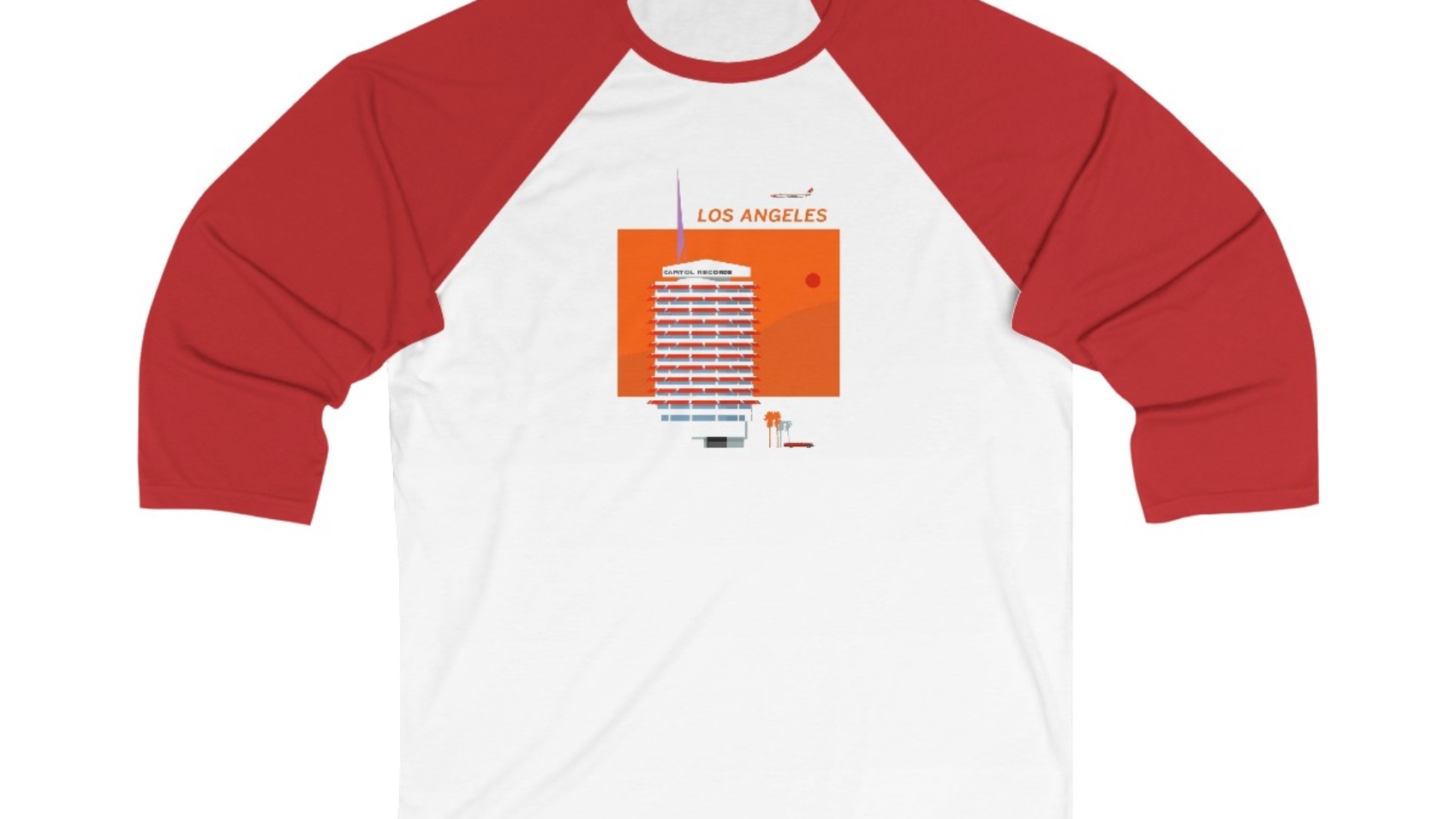
There are apparel collections built around trends, and then there are collections built around memory, mythology, and cultural permanence. The Vintage Series from The Vending Lot operates in an entirely different category than conventional retro merchandise because it is not attempting to imitate nostalgia from a distance. It is reconstructing the emotional architecture of some of the most important venues, broadcasts, tours, artists, and moments in American music culture through wearable design, premium apparel construction, and historically inspired visual storytelling.
At a time when much of the modern apparel marketplace has become disposable, algorithm-driven, and creatively interchangeable, The Vending Lot’s Vintage Series stands out by leaning aggressively into authenticity, specificity, and cultural depth. This is not a generic “retro collection.” It is a curated ecosystem of music-history-inspired apparel and lifestyle products that tap directly into the emotional resonance of landmark venues like the Valley Forge Music Fair, iconic brands like Capitol Records, legendary live institutions like the Spectrum, and era-defining moments from the expansive universe of Grateful Dead history.
What makes the collection especially compelling is the way it bridges multiple generations simultaneously. For longtime music fans, these pieces reconnect them with physical spaces and cultural moments that shaped their lives. For younger collectors and style-conscious audiences discovering these icons for the first time, the collection offers an entry point into the visual identity of classic American live music culture through modern silhouettes, elevated printing techniques, premium materials, and carefully considered vintage aesthetics.
The result is a product line that feels less like merchandise and more like archival cultural preservation translated into fashion.
The Vintage Series immediately distinguishes itself through the breadth of its inspirations. Rather than focusing narrowly on one artist or one era, the collection explores the connective tissue that helped define American music culture over multiple decades. The Valley Forge Music Fair Unisex 3/4 Sleeve Baseball Tee, for example, channels the spirit of one of the Northeast’s most beloved entertainment institutions, a venue that became synonymous with legendary live performances, touring productions, and regional concert culture. The baseball tee silhouette itself is an intentional design decision because it evokes the lived-in concertwear aesthetic associated with late-1970s and early-1980s touring culture, where raglan sleeves, soft cotton textures, and relaxed fits became inseparable from live music fashion.
The same philosophy carries into the Capitol Records Unisex 3/4 Sleeve Baseball Tee, which transforms one of the most iconic names in recording history into a wearable emblem of analog-era music culture. Capitol Records represents far more than a logo. It symbolizes the architecture of the modern recording industry itself — an era defined by physical studios, carefully crafted albums, artist development, and the mythology surrounding the golden age of recorded music. By translating that iconography into a contemporary lifestyle garment, The Vending Lot creates something that functions both as fashion and cultural shorthand.
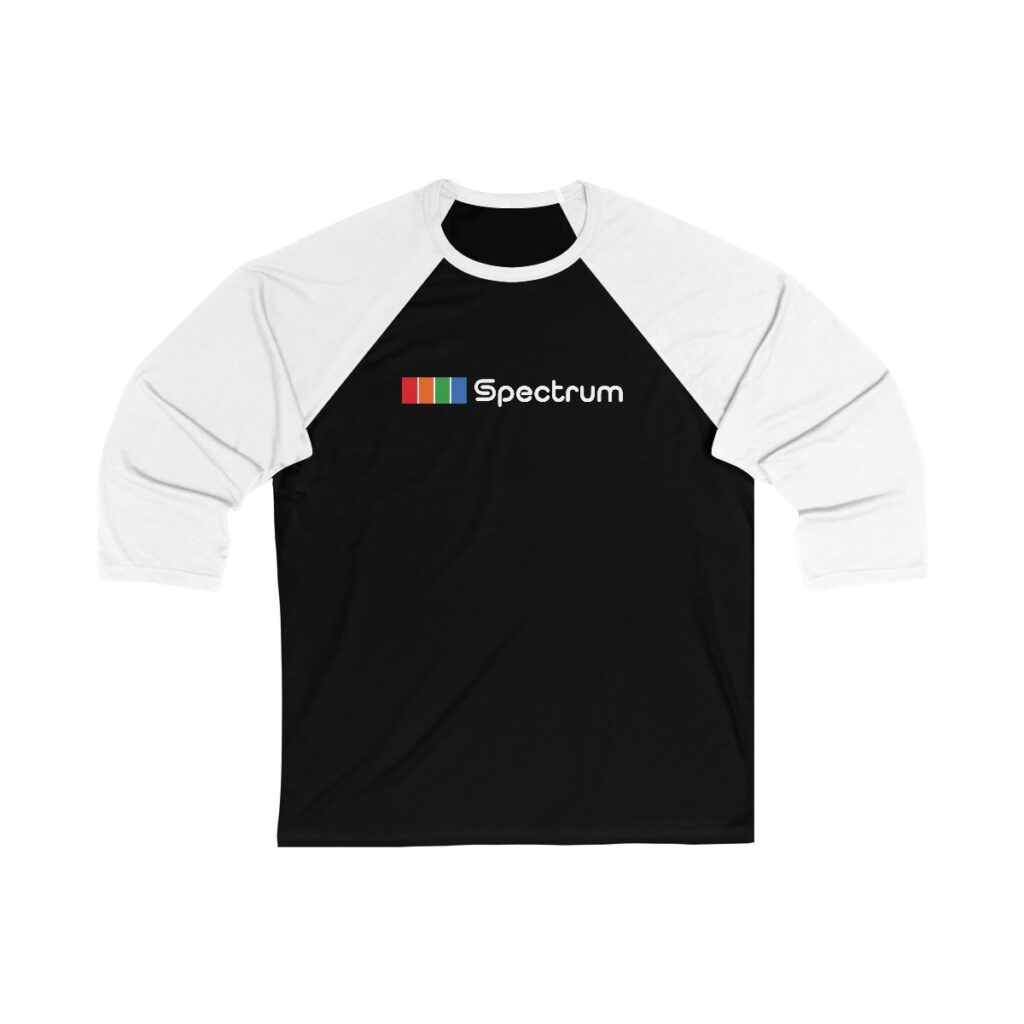
The Spectrum collection operates with a similarly powerful sense of historical gravity. For generations of music fans in Philadelphia and throughout the Northeast, the Spectrum was not merely an arena. It was a rite of passage. It was where fans witnessed defining concerts, championship moments, and cultural turning points that still echo throughout regional music history today. The Spectrum Unisex 3/4 Sleeve Baseball Tee and the Spectrum Organic Sparker Long Sleeve Shirt tap directly into that mythology, transforming venue identity into modern lifestyle apparel that feels simultaneously timeless and current.
What elevates the Vintage Series even further is its extensive exploration of Grateful Dead history, particularly through the Watkins Glen Raceway collection and multiple New Year’s-era inspired releases. These pieces are not superficial reproductions. They understand the emotional and historical significance behind the imagery. The Watkins Glen Raceway collection in particular draws from one of the most legendary moments in live music history — an event that represented not simply a concert, but an enormous convergence of counterculture, improvisational music, communal identity, and large-scale live event mythology.
The Grateful Dead Watkins Glen Raceway Unisex Distressed Cap immediately captures that spirit through its weathered aesthetic and lived-in styling. It feels intentionally aged in a way that reflects the legacy of road-worn touring culture and the timeless visual language of vintage concert apparel. The companion pieces within the collection expand that identity into multiple lifestyle formats, allowing fans and collectors to engage with the aesthetic across different wardrobes and environments.
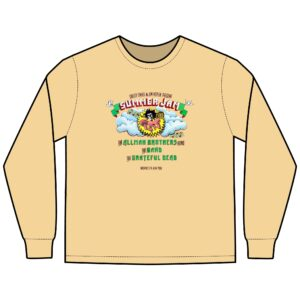
The Grateful Dead Watkins Glen Raceway Champion T-Shirt, Champion Hoodie, and Champion Sweatshirt bring heavyweight premium construction into the collection, reinforcing the sense that these are long-term wardrobe investments rather than impulse novelty purchases. Champion-branded apparel carries its own historic weight within American sportswear and collegiate fashion culture, making the collaboration between vintage concert aesthetics and premium heritage apparel especially effective.
Equally notable is the Adidas Unisex Performance Polo variation, which expands the boundaries of traditional music-inspired apparel by introducing a more refined, upscale lifestyle presentation. Rather than confining vintage music iconography strictly to casual wear, The Vending Lot demonstrates that heritage concert culture can seamlessly intersect with contemporary premium sportswear and elevated lifestyle branding.
The baseball tees and cotton ringer tees throughout the Grateful Dead lineup are especially strong because they mirror the exact silhouettes historically associated with touring merchandise and fan culture during the 1970s and 1980s. The Grateful Dead Watkins Glen Raceway Unisex 3/4 Sleeve Baseball Tee, the New Year’s 1984 variations, and the Chinese New Year editions all leverage vintage athletic-inspired construction that immediately triggers a sense of era authenticity without appearing costume-like or artificially distressed.
That distinction matters enormously in today’s apparel marketplace. Consumers have become increasingly sophisticated about identifying authentic vintage inspiration versus mass-produced “retro aesthetics.” The Vintage Series succeeds because it understands the difference between referencing history and exploiting nostalgia. The designs feel rooted in genuine cultural appreciation rather than trend-chasing.
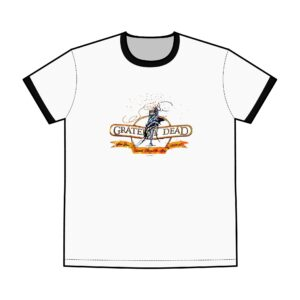
The New Year’s 1984 collection deserves particular attention because it taps into one of the most beloved recurring traditions within Grateful Dead history: the legendary New Year’s performances that became ritualistic cultural events for Deadheads across multiple generations. The New Year’s 1984 Unisex 3/4 Sleeve Baseball Tee, Men’s Staple Ringer Tee, and Cotton Ringer T-Shirt collectively recreate the celebratory, communal atmosphere surrounding those performances while maintaining strong standalone fashion appeal for audiences who may not even fully understand the historical references at first glance.
The Chinese New Year-inspired releases push the collection even deeper into culturally specific archival territory. Rather than relying on generic iconography, these pieces acknowledge a unique period within the Grateful Dead’s expansive touring mythology and visual evolution. The Chinese New Year Cotton Ringer T-Shirt, Men’s Staple Ringer Tee, and the Chinese New Year 1981 Unisex 3/4 Sleeve Baseball Tee reinforce the collection’s larger commitment to specificity and historical depth.
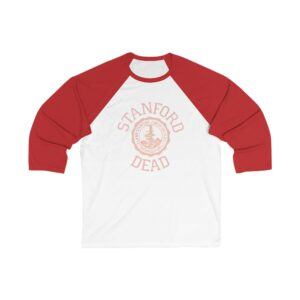
The Stanford Dead collection similarly taps into a distinct era of live performance culture and fan identity. The Stanford Dead Organic Unisex Classic T-Shirt and Stanford Dead 1988 Heavy Cotton Tee merge environmentally conscious apparel construction with historically inspired design language, proving that sustainability and vintage aesthetics can coexist effectively within modern music-inspired fashion.
What ultimately separates The Vending Lot Vintage Series from countless other music-themed apparel collections is its understanding of atmosphere. Every garment feels designed around the emotional texture of the era it references. The cuts, fabrics, silhouettes, typography, and visual balance all work together to recreate not just a logo or event name, but a feeling.
That emotional architecture is critical because the modern consumer is no longer purchasing apparel solely for utility. People buy identity, narrative, emotional connection, and cultural affiliation. The Vintage Series understands this dynamic exceptionally well. These products are not merely garments; they are wearable artifacts tied to specific moments in music history, regional culture, counterculture evolution, and live entertainment mythology.
The inclusion of lifestyle accessories like the Watkins Glen Raceway Colorful Mugs further expands the collection beyond apparel into environmental branding and personal ritual. Coffee mugs tied to iconic concert history may sound simple on the surface, but they function psychologically as daily reinforcement pieces for music fans who build identity around the culture they consume and celebrate.
Another major strength of the Vintage Series is its ability to function across multiple fashion categories simultaneously. Some pieces lean heavily into archival authenticity and collector appeal, while others work as highly versatile everyday lifestyle apparel. The distressed caps, heavyweight hoodies, ringers, polos, and long sleeves allow the collection to reach audiences ranging from dedicated music historians and collectors to younger streetwear consumers drawn toward vintage Americana aesthetics.
The timing of this collection also feels remarkably aligned with broader shifts happening across fashion, entertainment, and cultural consumption. Modern audiences increasingly crave tactile cultural experiences that feel grounded, human, and historically connected. Vinyl sales continue surging. Vintage touring shirts command enormous resale prices. Analog aesthetics dominate fashion editorials. Archival concert footage has become premium streaming content. Legacy venue iconography has returned to mainstream streetwear. The Vintage Series sits directly at the intersection of all of those movements.
Importantly, The Vending Lot does not approach these cultural references with irony or detached nostalgia. There is a sincerity embedded throughout the collection that gives it credibility. These products feel built by people who genuinely understand the historical importance of these venues, artists, broadcasts, and touring eras.
That sincerity translates directly into stronger branding, deeper emotional engagement, and ultimately better product longevity. Consumers can recognize when collections are created from authentic cultural appreciation versus opportunistic branding exercises. The Vintage Series consistently lands on the right side of that divide.
As the apparel industry continues moving toward increasingly disposable trends, short-cycle social media aesthetics, and hyper-accelerated fashion turnover, collections like the Vintage Series become more culturally valuable because they resist that disposability. They anchor themselves in stories, institutions, and moments that have already survived decades of cultural change.
That durability matters. Great vintage-inspired fashion should not simply remind consumers of the past. It should preserve the emotional power of that past while allowing it to evolve naturally into contemporary identity and lifestyle culture. The Vending Lot’s Vintage Series accomplishes precisely that.
In many ways, the collection feels like a wearable archive of American live entertainment history — one that connects regional venues, counterculture movements, classic recording institutions, touring traditions, and legendary performances into a cohesive modern fashion statement that remains deeply rooted in authenticity. The result is one of the most compelling music-inspired lifestyle collections currently operating in the independent apparel space, balancing historical reverence with contemporary execution in a way that feels both commercially smart and culturally meaningful.