

 Cart is empty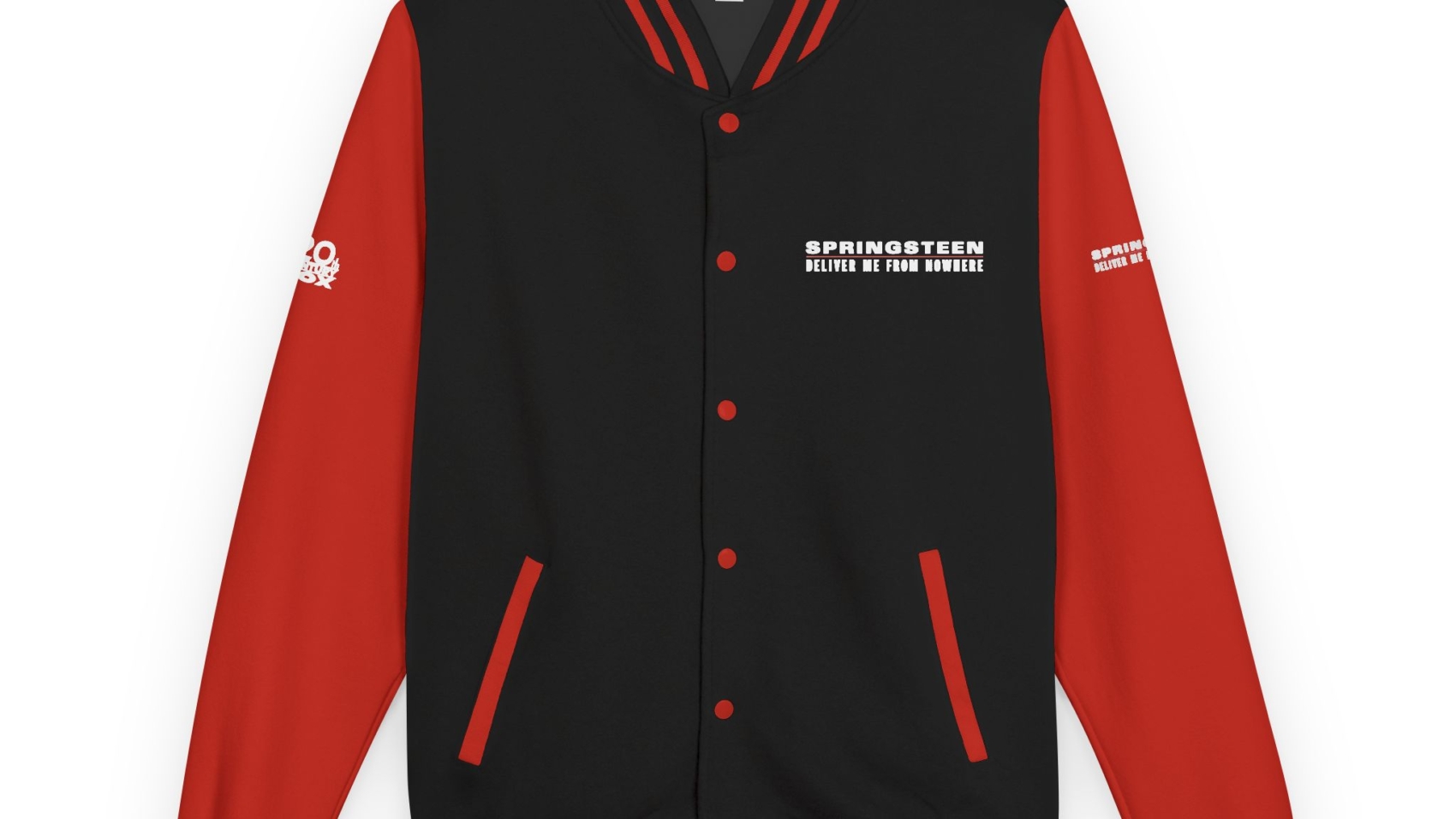
Bruce Springsteen and the E Street Band have never simply launched tours—they ignite cultural moments. Last night’s tour opener did exactly that, transforming a standard first night into something far more resonant: a deeply felt tribute, a statement of artistic continuity, and a reminder of why Springsteen’s connection to place, people, and legacy remains unmatched in modern music. As Minneapolis became the first stop on this latest run, it also became the stage for something larger—a night where music history, reverence, and live performance converged in a way only Springsteen can deliver.
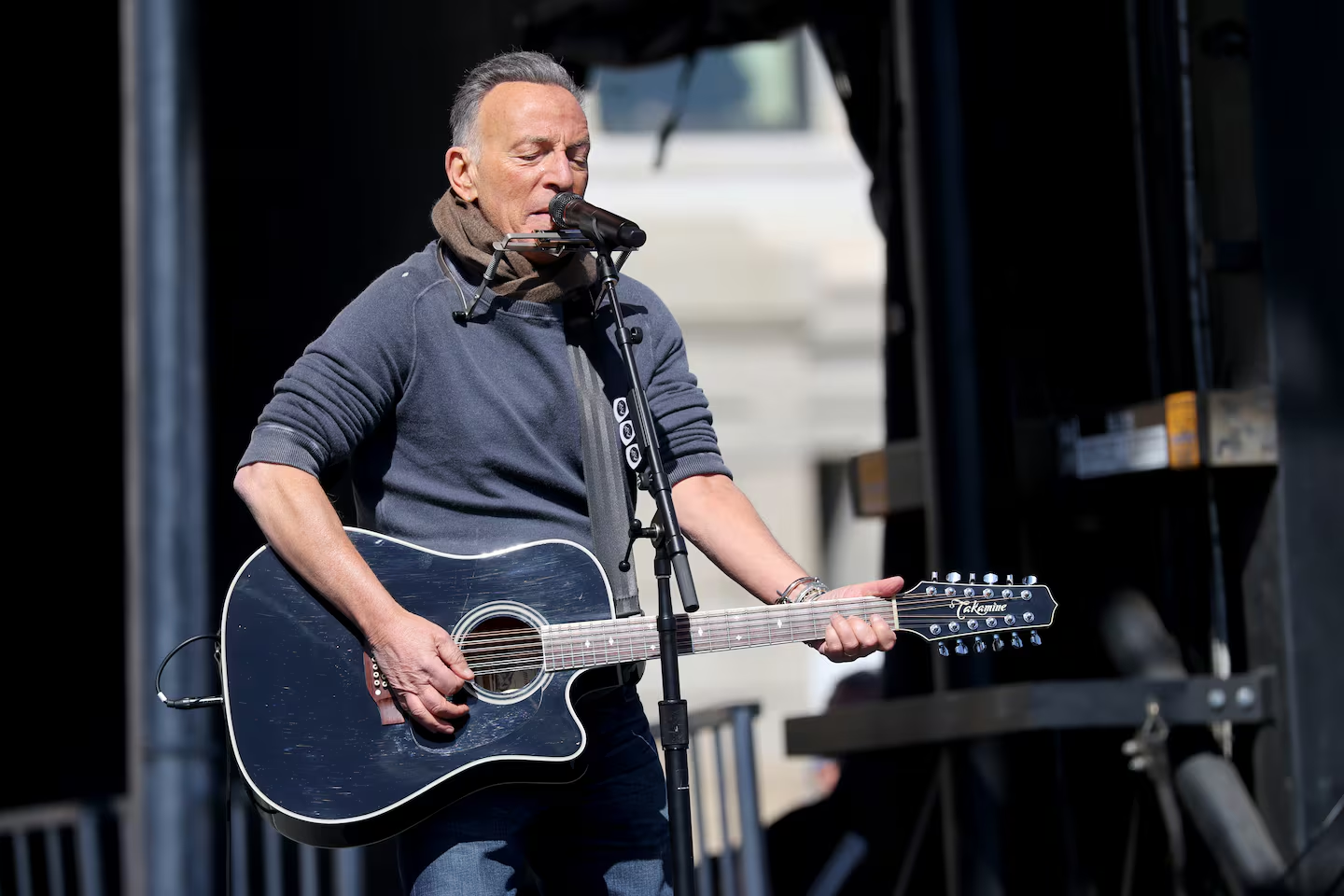
From the opening notes, there was a palpable sense that this was not just another show. The energy inside the venue carried a dual weight: the anticipation of a new tour and the emotional gravity of honoring a city forever tied to one of music’s most influential figures. Springsteen’s acknowledgment of Prince was not performative—it was deliberate, restrained, and powerful in its sincerity. Rather than interrupt the flow of the night, the tribute was woven seamlessly into the performance, allowing the music itself to carry the message. It reflected Springsteen’s long-standing ethos: respect the stage, respect the audience, and let the songs speak with clarity and purpose.
This kind of moment reinforces why Springsteen’s live shows continue to define the upper tier of touring performance. There is a discipline to how these shows are constructed—setlists that evolve in real time, arrangements that honor the past while subtly shifting for the present, and a band that operates with near-telepathic cohesion. The E Street Band remains one of the most formidable live units in music, not because of nostalgia, but because of execution. Every note, every transition, every dynamic shift is intentional.
That same attention to detail and authenticity is precisely what is now being reflected beyond the stage and into the merchandise ecosystem, where The Vending Lot is carving out a highly curated space for fans who want more than generic tour apparel. Their Bruce Springsteen and the E Street Band collection represents a strategic extension of the live experience—one that captures the tone, grit, and legacy of Springsteen’s brand in a way that feels both elevated and accessible.
What distinguishes this product line is not volume, but specificity. The collection is built around the idea that Springsteen’s audience is not looking for disposable merch—they are looking for artifacts. Items that carry narrative weight. Pieces that feel connected to the mythology of the music itself. From classic imagery to more nuanced, era-specific references, the catalog reflects an understanding that Springsteen’s visual identity is as important as his sonic one. It is not about slapping a logo on fabric; it is about translating decades of cultural impact into something tangible.
The Vending Lot’s broader product strategy reinforces this philosophy. Their merchandising approach is rooted in the concept of the “stand”—a nod to the traditional concert merch booth, but reimagined for a digital-first audience that still values authenticity. The platform is structured to feel like an extension of the venue experience, where fans can engage with artist-driven products that retain the spirit of live music culture rather than diluting it. This is critical in a market saturated with mass-produced, low-context merchandise.
Within the Springsteen collection, there is a clear emphasis on timelessness. The designs avoid fleeting trends in favor of enduring visual language—iconography that resonates whether you discovered Springsteen in the 1970s or last week. This positions the product line not just as merchandise, but as part of a broader collector’s ecosystem. It aligns with how fans actually interact with Springsteen’s legacy: deeply, personally, and often across generations.
The timing of this featured collection is equally strategic. A tour opener like the one in Minneapolis does more than kick off a series of dates—it resets the conversation. It reminds audiences why Springsteen remains relevant, why his performances still matter, and why his connection to American music history continues to evolve. By aligning a curated product release with this kind of moment, The Vending Lot is effectively bridging the gap between live experience and lasting ownership. Fans don’t just attend the show—they take a piece of it with them.
This is where the merchandising model becomes particularly compelling. In an era where streaming has altered how music is consumed, physical products regain importance as anchors of fandom. They provide a sense of permanence in an otherwise transient landscape. The Vending Lot’s approach acknowledges this shift and leans into it, offering products that feel intentional rather than incidental.
At a structural level, the platform is designed for discovery without friction. The navigation is clean, the categorization is purposeful, and the emphasis remains on the product rather than unnecessary noise. This matters, especially when targeting an audience that values clarity and authenticity. The Bruce Springsteen and the E Street Band section is not buried—it is positioned as a featured destination, reinforcing its importance within the overall catalog.
The Minneapolis opener, with its tribute to Prince, serves as a thematic anchor for everything surrounding this moment—from the music itself to the merchandise that now accompanies it. It underscores a broader narrative about legacy, influence, and the interconnected nature of artists who define eras. Springsteen honoring Prince is not just a gesture—it is a reminder that great music exists within a continuum, where respect and recognition transcend genres and generations.
For fans, this creates a layered experience. They are not just attending a concert; they are participating in a moment that acknowledges history while actively shaping it. The merchandise becomes part of that participation. It is a way to carry the night forward, to hold onto something that reflects both the performance and the larger story behind it.
The Vending Lot’s execution in this space suggests a clear understanding of where music merchandising is heading. It is no longer enough to produce items that simply commemorate a tour. The expectation now is that these products contribute to the narrative—that they feel like extensions of the artist’s identity and the audience’s connection to it.
Springsteen’s tour opener in Minneapolis set a tone that is both reflective and forward-looking. It honored the past without being constrained by it. It delivered a performance that was emotionally grounded yet musically expansive. And through The Vending Lot’s featured collection, it now extends beyond the stage into a curated, tangible form that fans can engage with long after the final encore.
This is not just about a tour, and it is not just about merchandise. It is about alignment—between artist, audience, and the platforms that connect them. When that alignment is executed at this level, it elevates everything involved. It turns a single night into a lasting moment, and it transforms a product line into something far more meaningful: a continuation of the experience itself.