

 Cart is empty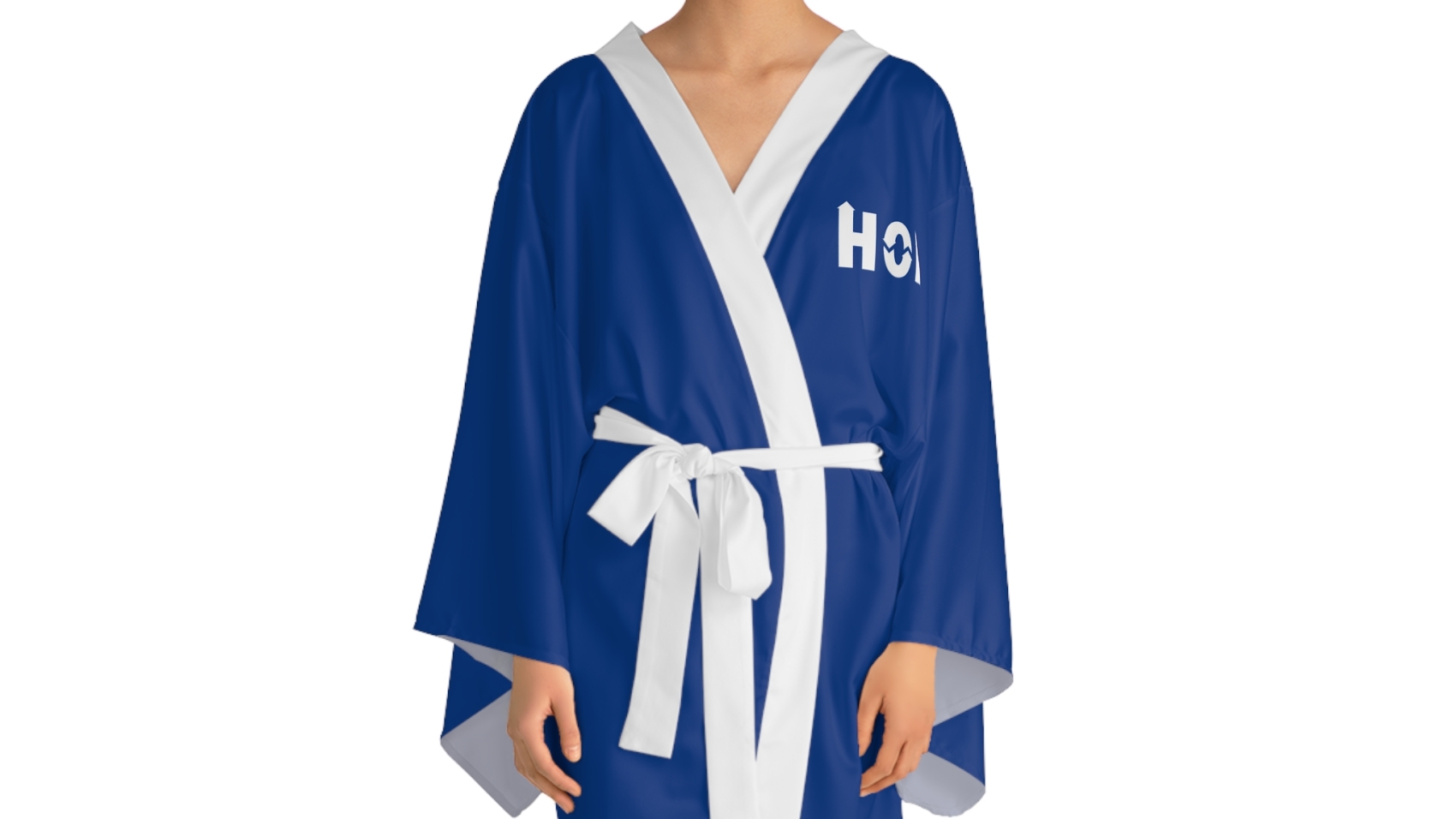
Big Brother premiered its twenty-eighth season on Thursday, July 9, 2026, on CBS and Paramount+, and it did not ease into the summer quietly. Within days of the premiere, the show had announced a casting expansion that shocked even veteran viewers, introduced a house design unlike anything the franchise has attempted before, and generated the kind of live feed drama that reminds everyone why this show has sustained a dedicated, obsessive fan base for over two decades. The season is also carrying a milestone that no American primetime series has ever reached: during this run, Big Brother will officially become the first primetime show in U.S. television history to air 1,000 original episodes.

It is the kind of number that belongs in the same conversation as the most durable institutions in entertainment history, and the franchise has earned it by doing something most reality competition formats never manage to do, which is to keep genuinely reinventing itself rather than simply recycling the same mechanisms with new faces. Season 28 is evidence of that reinvention in real time, with a theme, a cast composition, and a set of gameplay dynamics that are already producing some of the most talked-about moments in recent Big Brother memory. At The Vending Lot’s TV Studio Store, the Big Brother collection carries 21 officially licensed products across multiple seasons, built for the fans who want to wear and use their connection to this show in ways that last long after any given eviction night.
The season’s theme is “Big Brother: Time Trip,” and the entire physical environment of the house has been built around a time-travel concept executed at a level of design ambition that the show has rarely matched. Rooms are styled after different historical eras. The houseguests sleep in pods designed to evoke the future. A hallway features what the show calls failed inventions from past seasons, including a deliberate callback to the infamous Time Laser from Season 25, which will land as a knowing wink for anyone who followed that season’s endlessly discussed twist mechanics. Time is not just an aesthetic choice here. It functions as an active disruptor within the gameplay itself through Time Capsule challenges, which can alter the rules mid-competition, distribute unexpected powers drawn from either the past or the future of the game’s own history, or impose punishments that shift the balance of the week in ways contestants cannot anticipate. The result is a season where the uncertainty is genuinely structural rather than manufactured through a simple double eviction or a twist telegraphed in the premiere week press release.
The casting for Season 28 expanded from an initial roster of 14 houseguests to 17 total after producers dropped a series of surprise additions during premiere week, and those additions have already reshaped the game’s social architecture in fundamental ways. The most significant of those additions came from a direct pipeline into Survivor fandom. Rick Devens, the beloved and strategically sharp contestant from Survivor: Edge of Extinction, and Dee Valladares, the winner of Survivor 45, both entered the house as surprise competitors and almost immediately found each other, forming what quickly became known as the “Crossover” alliance. The pairing makes obvious sense from a gameplay standpoint: both players arrived with experience in a related but distinct social strategy game, with transferable skills around reading rooms, managing jury perception, and executing calculated moves without leaving obvious fingerprints. For Big Brother fans who have followed Survivor, and for Survivor fans who have followed Big Brother, the crossover element gives Season 28 an audience bridge that the show has not had in recent memory.
Angela Murray entered as the season’s returning player, arriving with a reputation forged during a controversial and memorable run on Season 26. She is the kind of houseguest who polarizes a fanbase cleanly: some viewers regard her as a compelling strategic force whose bluntness is a feature rather than a bug, while others consider her a destabilizing personality whose presence changes the social chemistry of whatever room she occupies. That division is exactly why producers bring players like Angela back, because division generates engagement, and her return has already proven that calculus correct. The fight that erupted over the weekend between Angela and Jason De Puy on the live feeds became one of the most discussed moments of the early season, with Angela accusing De Puy of intense emotional manipulation in a confrontation that exposed fracture lines in multiple alliances simultaneously.
Jason De Puy is one of Season 28’s most distinctive presences for reasons that extend beyond the drama he has generated with Angela. He is a well-known drag performer who competed under the name Salina EsTitties on RuPaul’s Drag Race, which gives him a public profile and a fanbase entering the game that most houseguests never have access to. The strategic implications of that visibility cut both ways: he walked in with passionate supporters who are invested in watching him succeed, but also with a recognizable identity that makes him a natural early target for players who see an obvious jury threat from the first week of competition. The cast also includes Lyric Medeiros, an American Idol alumna whose musical background and performance instincts give her a specific kind of social presence in the house, and Drew Campbell, who competed on Beast Games, the high-stakes survival competition series, bringing yet another reality television credential into the mix. Mallory Aurichio rounds out the roster’s most unexpected detail: she is a rocket scientist, a fact that was revealed to the other houseguests only after the first eviction, when a stunned Ashley Trail learned her former housemates’ real professions upon her exit. Ashley, a bartender, was voted out in a unanimous 14-0 decision in the season’s first eviction, making her departure one of the more lopsided and unsentimental opening exits in recent franchise history.
Week 2 has moved the season into genuinely dramatic territory at a pace that is making the live feeds essential viewing. Rick Devens won both the Head of Household competition and the Power of Veto back-to-back, giving him an extraordinary amount of control for a single week and effectively making him the most powerful player in the game at this stage of the season. He has used that power to construct what is being called the “Toolshed” alliance, a merger of the Red Corner and Crossover factions into a larger mega-alliance that currently commands enough numbers to function as a genuine majority. His nominations for the week placed Jason, Lyric, and Melody on the block, but the strategic target Devens has been working toward is a backdoor move against Rome Seymour, a pickleball coach who has been quietly building his own coalition on the opposite side of the house. The backdoor plan requires the right combination of Veto outcomes and alliance cooperation, and whether it succeeds will likely determine the power balance of the next several weeks.
The storyline surrounding Devens extends into a territory that no previous Big Brother contestant has ever occupied, and it has generated coverage far beyond the reality television press. Director James Gunn disclosed on Threads that Devens had been scheduled to appear in a cameo in Superman before the show began filming. Because Devens entered the Big Brother house before that cameo could be recorded, and because the rules of the game prevent houseguests from leaving, the cameo had to be canceled. The detail landed as both a funny real-world collision between two very different entertainment universes and a testament to how seriously the game takes its own isolation requirements. It has also introduced Big Brother Season 28 to audiences who might not otherwise have been tracking the show’s summer run, generating a wave of coverage that connects the franchise to one of the most anticipated superhero films of the year.
The 1,000-episode milestone that Season 28 will reach during its run deserves more than a passing mention, because what it represents is genuinely unusual in the landscape of American broadcast television. Big Brother premiered on CBS in the summer of 2000, drawing heavily from the Dutch format that had launched internationally a year earlier, and it spent its early seasons finding the specific combination of live feed access, competitive structure, and social gameplay that would distinguish it from every other reality format of its era. The live feed model was central to that distinction from the beginning: unlike other reality competitions where audiences saw only what the editing room decided to show, Big Brother gave devoted viewers continuous access to the house through an unedited live stream, creating a secondary audience of superfans whose engagement with the show operates on an entirely different level of intensity than casual primetime viewers. Those superfans have been the engine of the show’s cultural durability for twenty-six years, and the 1,000-episode milestone belongs as much to them as to the network or the production team.
No other American primetime series has reached this number of original episodes. The comparison point that makes this statistic meaningful is not just longevity in terms of seasons but total original episode output, which reflects both the show’s consistent annual schedule and its multiple-episode-per-week format that produces more programming hours per season than most scripted dramas. Big Brother airs multiple times a week throughout the summer, and live eviction shows, competition results episodes, and the Sunday night recap format together generate a volume of content that accumulates across twenty-eight seasons into a number that is, by any measure, a historic achievement for American broadcast television.
The Vending Lot’s Big Brother collection carries 21 officially licensed products spanning Seasons 26 and 27, built across a range of product categories that cover every way a Big Brother fan actually engages with the show in their daily life. The apparel lineup includes some of the most compelling pieces in the collection. The Big Brother Season 27 Champion Hoodie is priced between $72.13 and $89.98 depending on size and variant, built by Champion, whose legacy in American athletic and lifestyle apparel makes it one of the most trusted fabric and construction choices in officially licensed fan merchandise. Champion’s hoodies are known for the weight and durability of their fleece, and the Big Brother branding on this piece is applied to a garment that wears well through the full span of the show’s summer broadcast window. The Big Brother Season 27 Adidas Unisex Fleece Crewneck Sweatshirt, priced between $84.98 and $94.98, brings Adidas’s quality standards to the same officially licensed Big Brother aesthetic, making it the collection’s premium sweatshirt option for fans who want the global sportswear brand’s construction and fit alongside their fandom.
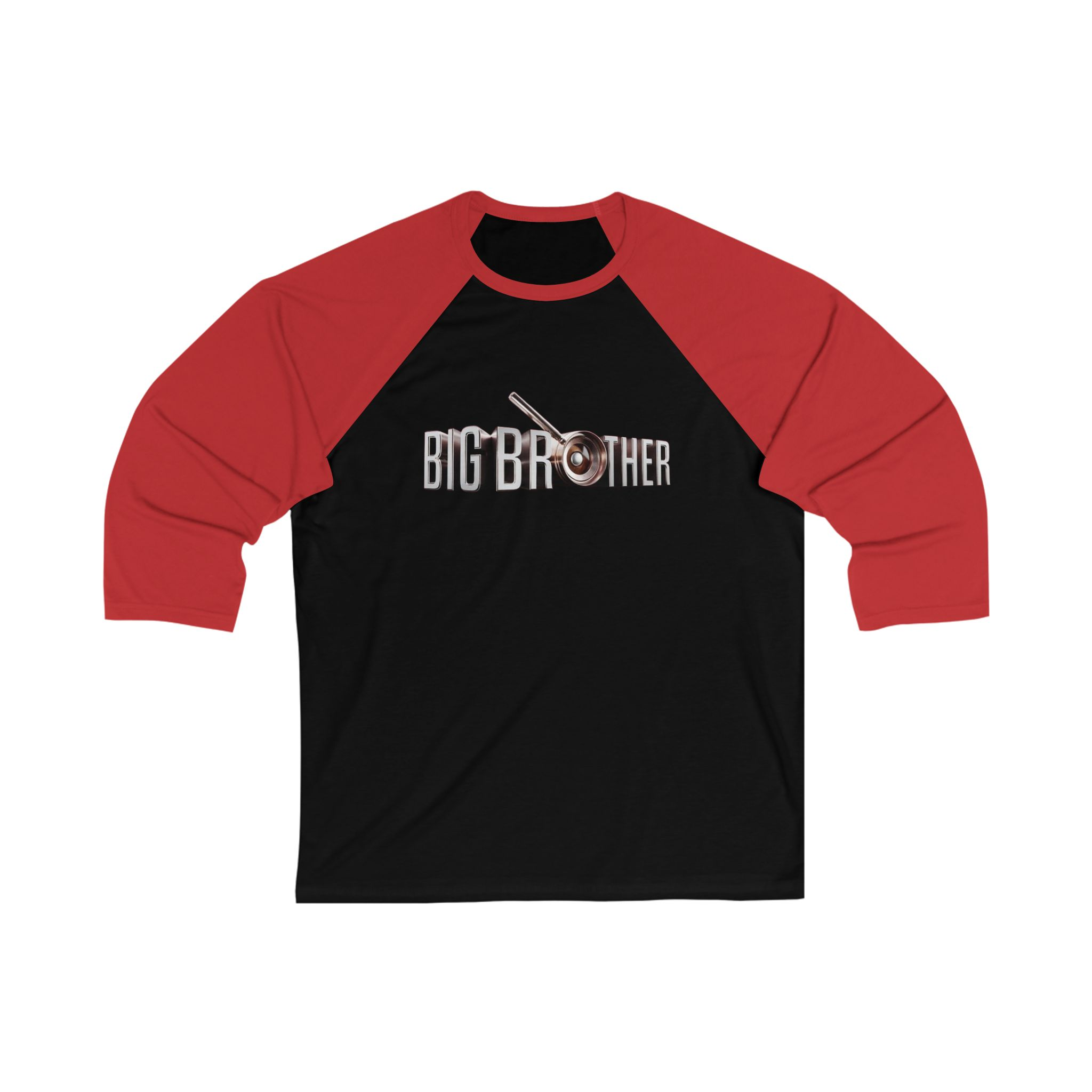
The Big Brother Season 27 Champion Sweatshirt is available between $54.98 and $64.98, providing a mid-range crew neck option from the same Champion manufacturer, while the Big Brother Season 27 Champion T-Shirt, priced between $39.07 and $54.98, brings Champion’s signature cotton construction to the collection’s most versatile and wearable piece. The Big Brother Season 27 Men’s Staple Ringer Tee at $49.98 and the Big Brother Season 27 3/4 Sleeve Baseball Tee, available between $49.98 and $54.98, give the apparel lineup genuine variety in silhouette and style beyond the standard t-shirt and hoodie options that dominate most licensed merchandise collections.
The Big Brother Season 27 Unisex Distressed Cap at $34.98 adds a headwear option that works with essentially any casual outfit, carrying the Big Brother branding in a worn-in, vintage-feeling format that suits the show’s summer cultural identity.
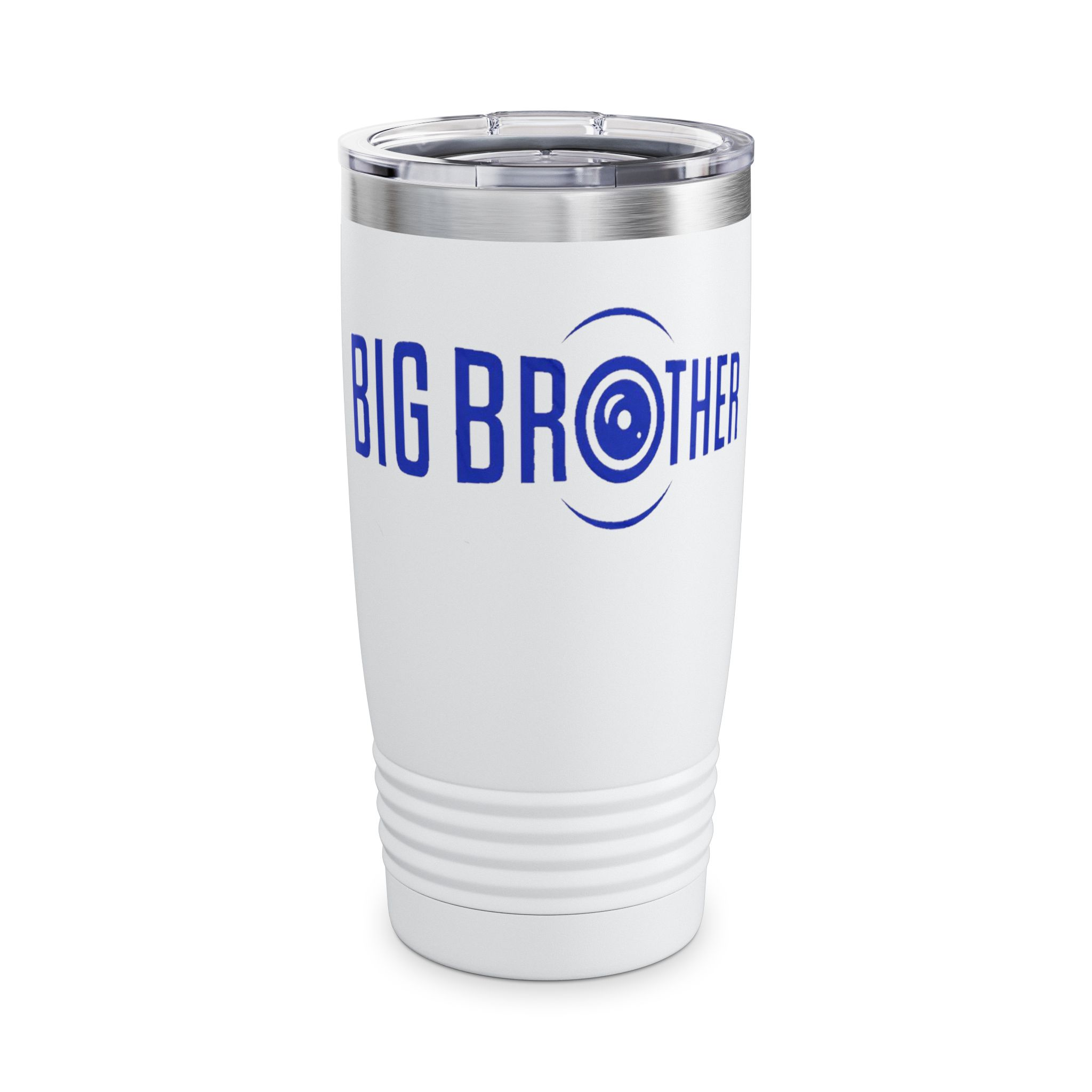
The drinkware and lifestyle accessories in the collection are among the most practically useful pieces The Vending Lot carries for any property, and the Big Brother lineup is particularly well developed in this category. The Big Brother Season 27 Insulated Tumbler in 30oz is priced between $46.65 and $49.98 and is the size most suited to the serious live feed viewer who is settled in for a long session. The insulated construction keeps drinks at temperature whether you are watching the evening CBS broadcast or refreshing the Paramount+ feed at two in the morning waiting for a late-night backdoor conversation. The Big Brother 26 Insulated Tumbler in 30oz at $49.98 and the Big Brother 26 Insulated Tumbler in 20oz at $49.98 provide the Season 26 visual design for fans who want that specific season’s branding. The Big Brother 26 Vagabond 20oz Tumbler at $34.98, the Big Brother Ringneck Tumbler in 20oz at $34.98, and the Big Brother 26 Skinny Tumbler in 22oz at $49.98 each offer distinct tumbler formats at slightly different price points, giving the collection meaningful variety in this category rather than simply repackaging the same product with different artwork.
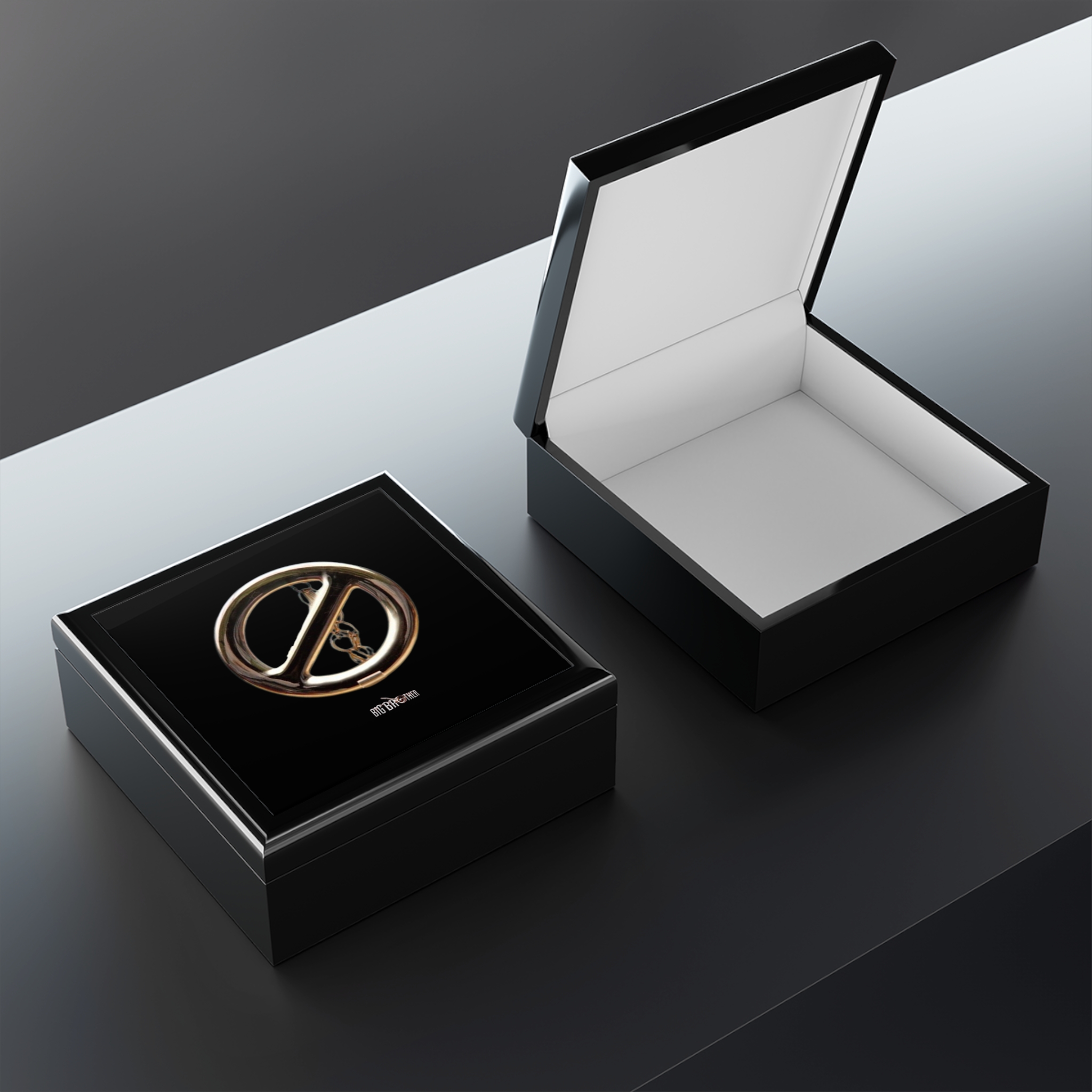
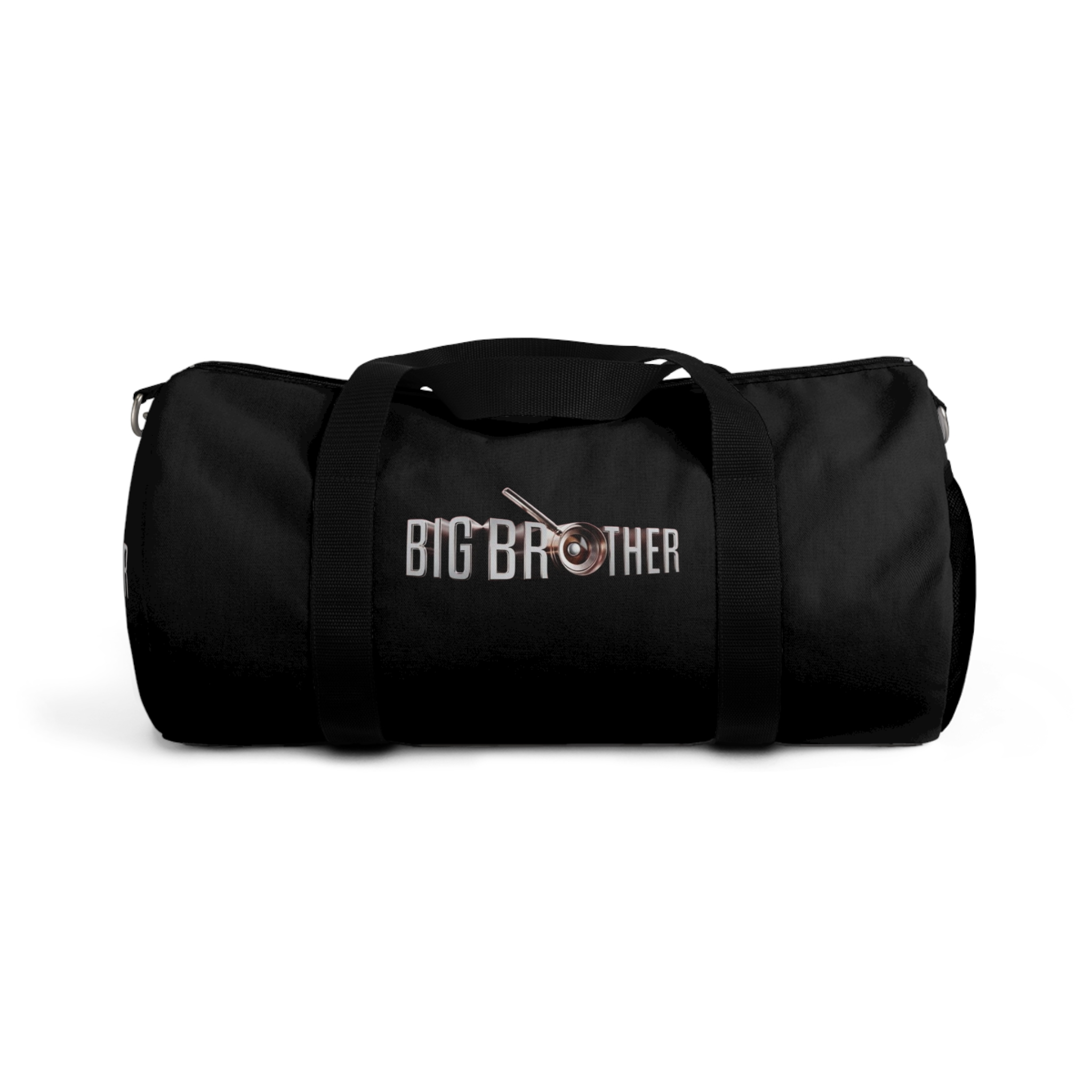
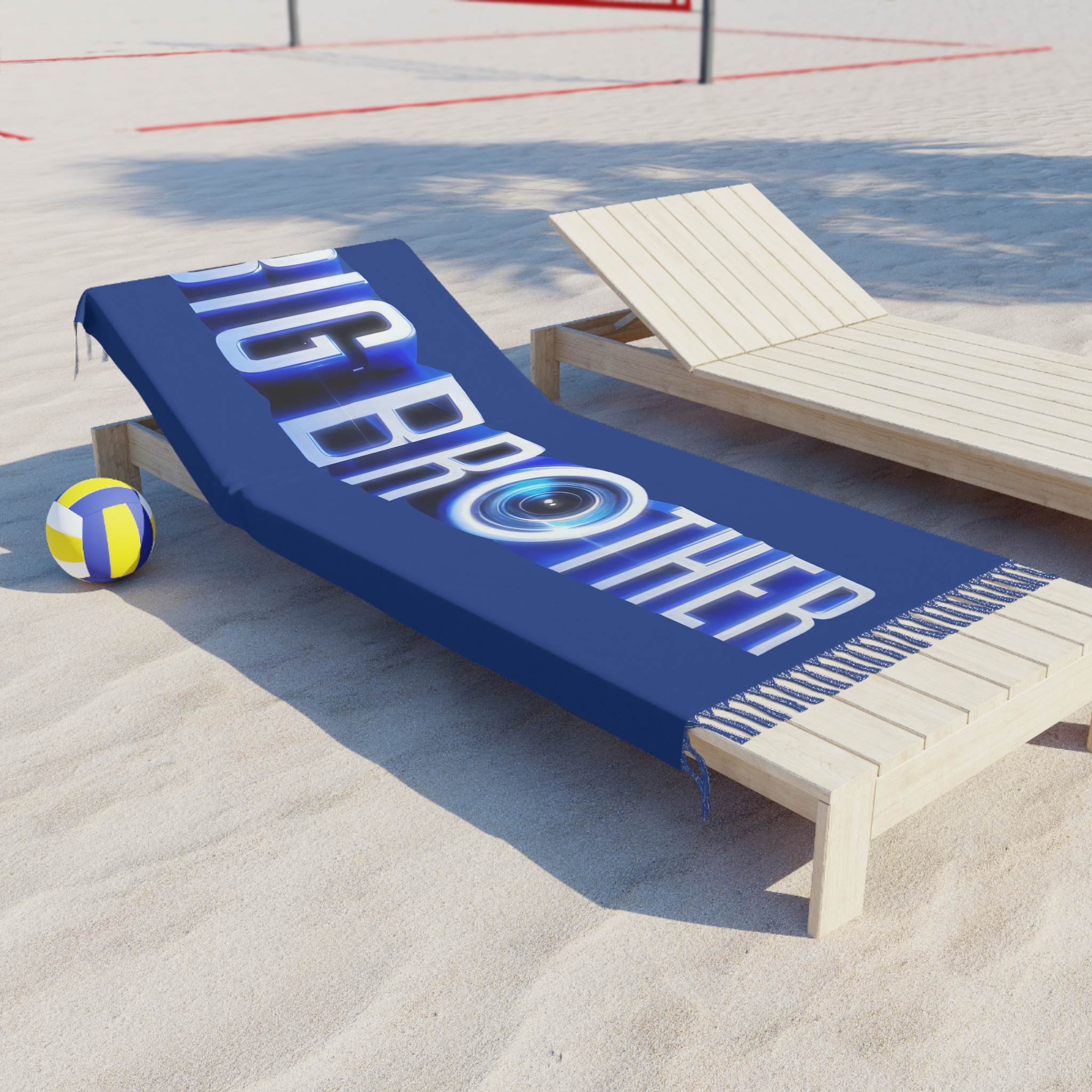
The Big Brother Season 27 Colorful Mugs are available in both 11oz and 15oz formats between $24.98 and $29.98, making them the collection’s most accessible drinkware option and a genuinely useful everyday piece for the fan whose Big Brother fandom follows them into the morning coffee routine. The Big Brother 27 Jewelry Box at $64.98 is one of the more distinctive items in the entire collection, a functional storage piece that carries the season’s visual identity into a format usually reserved for the most personal and daily-use items in someone’s home. The Big Brother 27 HOH Long Sleeve Kimono Robe and the Big Brother 26 HOH Long Sleeve Kimono Robe are both priced at $44.98 and are among the most literally in-game pieces of merchandise in the collection, referencing the Head of Household robe that is one of Big Brother’s most recognizable visual symbols and one that carries a specific meaning for any viewer who has watched the show’s HoH reveal moments for any length of time. The Big Brother 27 Duffel Bag and the Big Brother 26 Duffel Bag are both priced at $74.98 and are the collection’s most functionally substantial pieces, full-size carry bags that serve a genuine travel and gym purpose while carrying the Big Brother branding. The Big Brother 26 Beach Towel at $39.98 and the Big Brother 26 Boho Beach Cloth at $69.98 connect the show’s summer schedule to the actual season of the year in which it airs, outdoor pieces for the summer months when the show is on the air and the audience is, to the degree possible, spending time outside while mentally processing whatever happened on last night’s episode.
The breadth of this product lineup reflects something genuine about the Big Brother audience. This is a show with one of the most committed superfan communities in American television, a group of viewers who not only watch the broadcast episodes but maintain active monitoring of live feeds, engage deeply in online communities analyzing strategy, and form parasocial relationships with houseguests that persist across years. Those fans want to express their connection to the show in every format of their daily lives, from what they wear and what they drink from to what they carry their things in and how they organize their personal space. The Vending Lot’s 21-product Big Brother collection addresses that desire at every level.
The TV Studio Store at The Vending Lot carries more than 1,250 products across hundreds of television properties, from classic broadcast network series and beloved sitcoms to contemporary streaming prestige dramas, procedurals, animated franchises, and the reality competition genre that Big Brother has led for a generation. The Big Brother section sits within that wider context as one of the store’s most developed reality television collections, a reflection of the show’s cultural weight and its audience’s demonstrated commitment to fan merchandise. The Film Studio Lot, the Merch Stand, On Broadway, and Funko Town extend The Vending Lot’s coverage across cinema, music, live theater, and collectible figures with the same intentional curation that defines the TV Studio Store’s approach to properties like Big Brother. The Vending Lot newsletter on Substack is the direct line to new arrivals, product drops, and the context that makes each collection meaningful for subscribers who want the full story behind what the store carries.
Big Brother Season 28 is airing now, the Time Trip twist is already disrupting alliances, Rick Devens is playing at a level that makes the live feeds essential, Angela Murray’s presence is generating exactly the kind of conflict that drives conversation, and the 1,000-episode milestone is approaching during a season that feels genuinely worthy of the occasion. The full Big Brother collection at The Vending Lot is available now for the fans who want everything the store can offer alongside everything the show is delivering this summer.