

 Cart is empty
There is a scene in the original animated Moana — not one of the big musical moments, not a battle with Te Kā, not the heartbreaking conversation with Gramma Tala — where Moana stands at the edge of the reef and the ocean reaches up to meet her hand. It is a moment of pure, wordless recognition between a person and the world that has always been waiting for her. Everything that follows in the film grows from that quiet, extraordinary instant: the journey, the fear, the growth, the becoming.
When Disney first released that film in 2016, it entered the cultural conversation not just as an animated family movie but as something rarer — a story about identity, courage, vocation, and the specific tension between the place you come from and the person you are meant to become that resonated with audiences of every age and background. Nearly a decade later, that story returns to theaters in live action, and the question it asks — how far do you go to become who you are meant to be — has not lost a single degree of its power.
Moana, the live-action reimagining directed by Tony and Emmy Award-winner Thomas Kail, opens in theaters on July 10, 2026, and The Vending Lot’s Film Studio Lot is ready for it — twelve officially licensed Moana products spanning apparel, accessories, and collectibles, available now for the fans who want to carry this story into their everyday lives before, during, and long after opening weekend.
The Live-Action Moana: What Thomas Kail Has Built
The decision to bring Thomas Kail into the director’s chair for the live-action Moana was not an obvious one, and that is precisely what makes it the right one. Kail is not a filmmaker who came up through the blockbuster system. He is the director behind the filmed Broadway production of Hamilton, a Tony and Emmy Award winner whose mastery of the relationship between performance, staging, music, and emotional authenticity has been proven at the highest level of theatrical presentation. He understands — at a level that few commercial directors do — how music functions not just as accompaniment to story but as story itself, how a song can do the work of three scenes of dialogue, and how a performance needs to feel real and intimate even when everything around it is operating at epic scale.
Those are exactly the skills that a live-action adaptation of Moana requires, and the early results suggest Kail has applied all of them. The film closely follows the beloved storyline of the original: the ocean chooses Moana to leave her home island of Motunui, seek out the shape-shifting demigod Maui, recover the heart of Te Fiti, and cross unknown seas to save her people from a slow, creeping darkness consuming everything that grows. What the live-action version adds to that foundation is the texture, weight, and physical reality of performers inhabiting those roles in front of actual cameras — breathing, expressing, moving through water and wind and light in ways that animation, for all its extraordinary artistry, approaches differently.
The film is produced by a team that signals how seriously Disney has approached this adaptation. Dwayne Johnson, Lin-Manuel Miranda, Dany Garcia, Hiram Garcia, and Beau Flynn share producing credits — a gathering of talent around this project that represents both creative investment from the people who know the material most intimately and the kind of institutional commitment that Disney reserves for the properties it considers most important.
Catherine Lagaʻaia and the Weight of a Debut
The most anticipated and most scrutinized element of any live-action Disney adaptation is the casting of the protagonist, and the choice of Catherine Lagaʻaia to make her feature film debut as Moana is one that carries more genuine creative logic than most such casting decisions manage to achieve.
Lagaʻaia is not a manufactured star inserted into a role because the algorithm suggested her. She arrives with the cultural connection and the artistic preparation that the role demands — a performer whose background, heritage, and evident commitment to the character give her portrayal an authenticity that cannot be manufactured in a casting session. Making your feature film debut in a Disney live-action remake of one of the studio’s most beloved animated films is an extraordinary amount of pressure, and the early conversations around the film suggest that Lagaʻaia has met that pressure not by replicating what came before but by finding her own version of Moana — the version that only she can play.
The creative decision to include an original new song, “Along the Way,” written by Lin-Manuel Miranda, adds a dimension to the film that is genuinely moving in concept: it is structured as a musical conversation between Lagaʻaia’s live-action Moana and Auliʻi Cravalho, the original voice actress from the 2016 animated film, who serves as an executive producer on this production. The song is not just a piece of new music added to an existing score. It is a formal acknowledgment of the continuity between the two versions of this story — an artistic passing of the torch that honors what came before while making space for what is arriving now. Miranda, whose work on the original Moana score was itself a career-defining achievement, brings the same melodic intelligence and lyrical specificity to “Along the Way” that made songs like “How Far I’ll Go” and “You’re Welcome” instant cultural touchstones.
Dwayne Johnson in the Flesh: Maui Returns to the Real World
One of the most distinctive creative choices in the original animated Moana was the casting of Dwayne Johnson as the voice of Maui — not because Johnson is a voice actor but because the character’s combination of enormous physical presence, comic timing, surprising emotional depth, and the specific energy of someone who has spent millennia being both celebrated and self-deceiving maps directly onto Johnson’s own public identity in ways that felt almost pre-ordained. The chemistry between Maui and Moana in the animated film was built on that casting, and it carried the film through its most demanding emotional sequences.
The live-action version makes the decision that was perhaps always inevitable: Dwayne Johnson does not merely voice Maui. He physically plays him, inhabiting the role on screen in full, and the implications of that choice for the dynamic between Maui and Moana are significant. The relationship between a Polynesian teenage girl and a shape-shifting demigod who has convinced himself that his greatness is defined by the things he has given humanity rather than by who he actually is — a relationship that functions simultaneously as mentor-and-student, comic duo, adversaries, and, ultimately, something approaching equals — is the emotional engine of the entire story. With Johnson in the role physically rather than just vocally, every scene between Maui and Moana carries a different kind of weight, and the grounding that physical performance provides to what is otherwise an extraordinarily fantastical premise becomes part of how the film makes its emotional arguments.
The surrounding cast deepens the world of Motunui and the ocean beyond it with equal care. John Tui brings Chief Tui — Moana’s father, the man who loves his daughter fiercely and fears for her equally — to life with the dignity and protectiveness the character requires. Frankie Adams plays Sina, Moana’s mother, completing the family portrait at the center of the story’s emotional stakes. Rena Owen, one of New Zealand cinema’s most celebrated performers, takes on the role of Gramma Tala — the eccentric, ocean-whispering grandmother whose relationship with the deeper truth about Moana’s destiny drives some of the most affecting moments in the original film and promises to deliver something equally powerful here. And Jemaine Clement returns — not as a voice in an animated sequence but in the live-action world — to reprise his role as Tamatoa, the shiny, narcissistic, luminescent giant crab whose gleaming obsession with beautiful objects and theatrical villainy made him one of the most delightfully unexpected creations in the original film.
The Story That Has Always Mattered, and Why It Matters Now
It is worth pausing to ask why this story — this specific one, about this specific character, crossing this specific ocean — has resonated so deeply across cultures and age groups since 2016, because the answer tells you something important about why the live-action version arrives with so much anticipation attached to it.
Moana is, at its core, a story about the tension between inherited identity and discovered self. Moana is the daughter of a chief on an island where no one has sailed beyond the reef for generations, and the entire weight of her community’s tradition and her father’s love presses her to stay, to lead, to become the person the island needs her to be. And the ocean has chosen her for something else. The story does not resolve that tension by declaring one side right and the other wrong — it resolves it by discovering that Moana’s capacity to lead her people is inseparable from her willingness to become who she truly is, and that the journey beyond the reef is not a betrayal of her home but the very thing that makes her the leader her people need.
That is a story that lands differently for different audiences. For children, it is an adventure about bravery and finding your own path. For parents, it is a story about the love that has to let go. For anyone who has ever felt caught between the expectations of the people they love and the pull of who they sense themselves to be, it is something closer to a mirror. The original animated film earned its place in the cultural canon precisely because the story operates at all of those levels simultaneously, and Thomas Kail’s live-action version inherits that richness intact.
The choice to include photo-realistic CGI versions of Heihei, the spectacularly incompetent rooster, and Pua, Moana’s devoted pig companion, signals that the film is not attempting to strip away the warmth and gentle humor of the original in pursuit of a harder-edged realism. These characters exist in the animated film as emotional anchors — Pua as the embodiment of home and innocence, Heihei as the film’s great cosmic joke that somehow becomes its most unexpectedly moving element. Their presence in the live-action version in realistic form is both a technical achievement and a creative statement about what this adaptation intends to preserve.
Lin-Manuel Miranda, the Score, and the Music That Travels With Us
No account of Moana — animated or live action — can avoid confronting the music, because the music is not decoration. It is architecture. The original score, written by Miranda in collaboration with Opetaia Foaʻi and Mark Mancina, is one of the most formally accomplished pieces of work that any of them has produced, building a sound world that draws from Polynesian musical traditions, Broadway compositional technique, and a melodic gift for songs that feel simultaneously ancient and immediate.
“How Far I’ll Go” entered the global culture almost the moment the film released and has remained there since — not because it is a catchy pop song constructed for radio play but because Miranda wrote a lyric that captures the specific emotional texture of being pulled toward something you cannot name and cannot resist, and set it to a melody that rises with the force of that pull. “You’re Welcome,” by contrast, is a masterclass in character comedy songwriting, a number that tells you everything you need to know about who Maui is, how he sees himself, and why both of those things are going to have to change. These are songs built to do real narrative work, and they have been doing it for a decade.
“Along the Way,” the original song Miranda has written for the live-action film, enters into a genuine conversation with that existing musical legacy rather than attempting to compete with it. The structural decision to have Lagaʻaia and Cravalho perform together in a song that is partly a dialogue between the two versions of Moana is the kind of creative choice that only makes sense if you trust both performers and trust the audience to understand what you are doing with it. Miranda’s writing has earned that trust many times over, and the early reception to the song suggests it has landed in the spirit it was intended.
The Vending Lot’s Moana Collection: Twelve Ways to Carry the Story With You
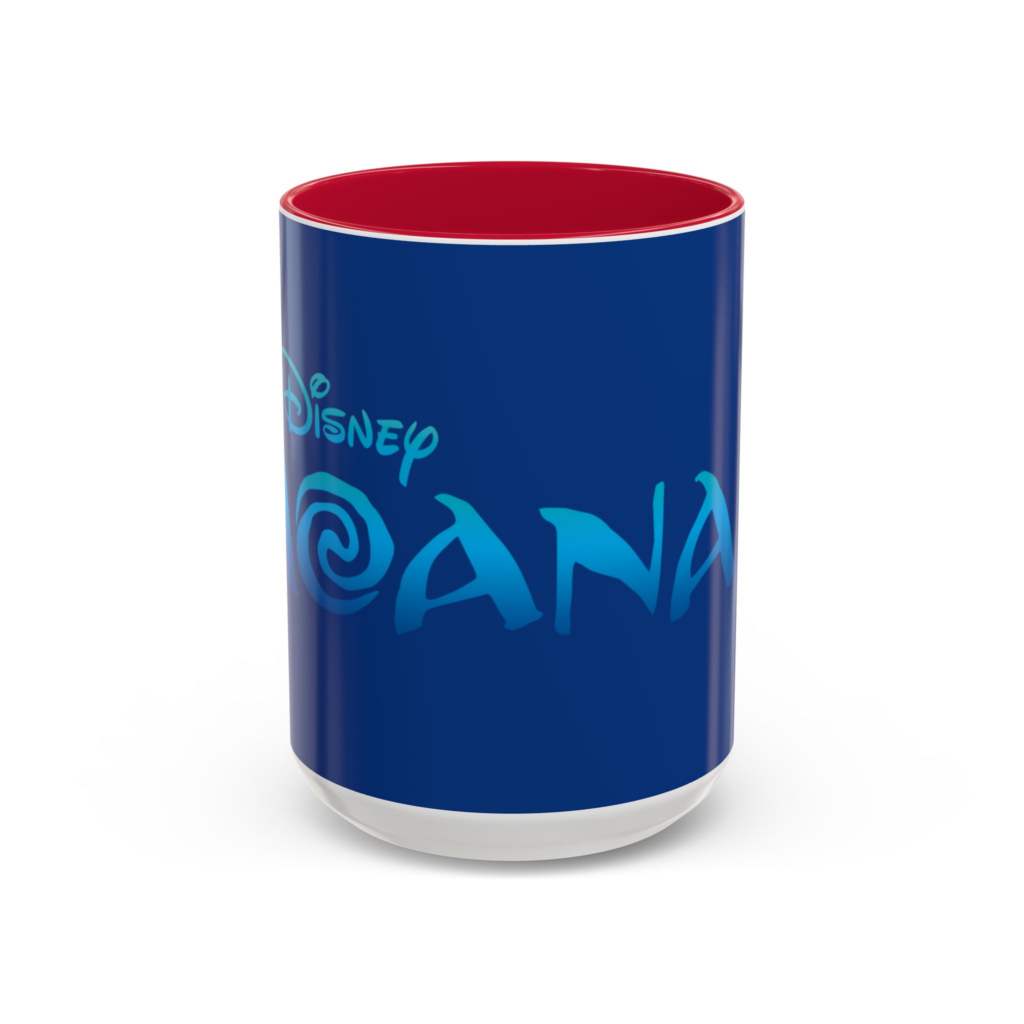
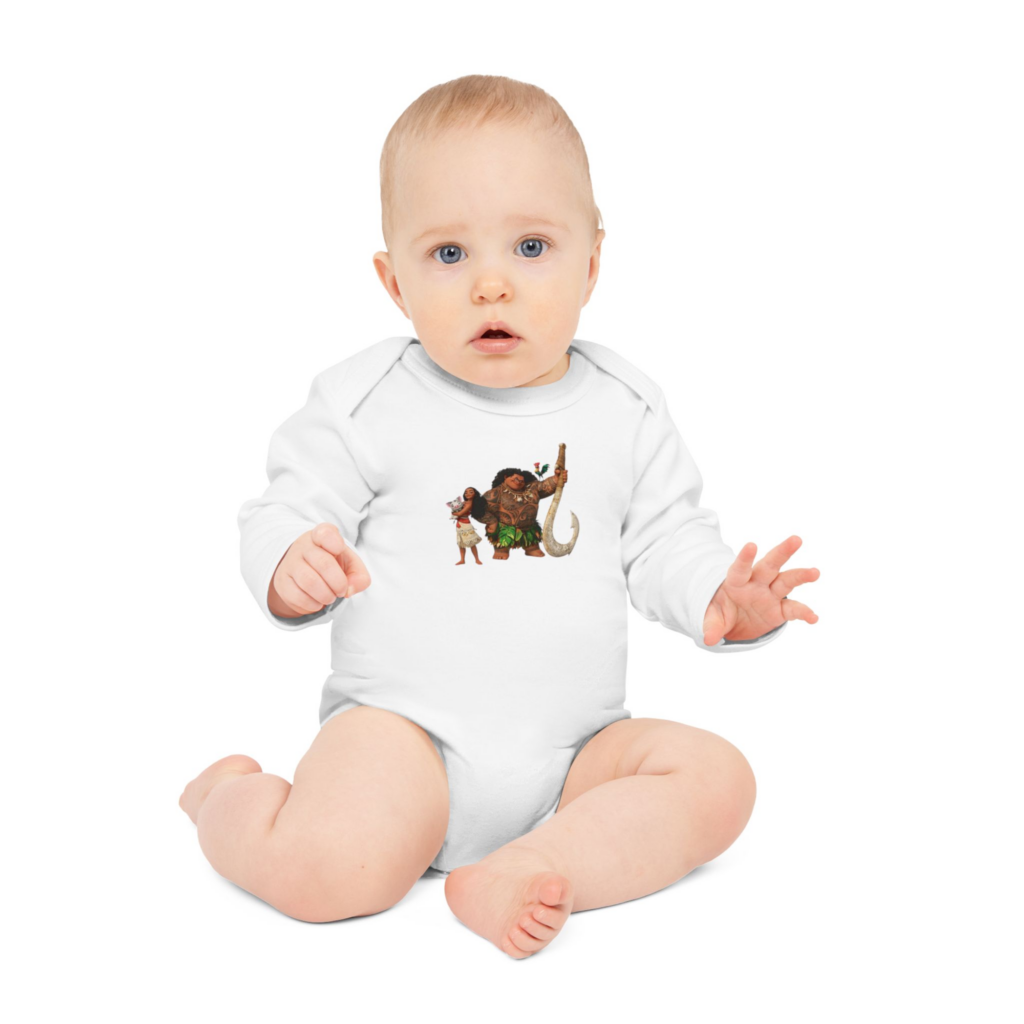
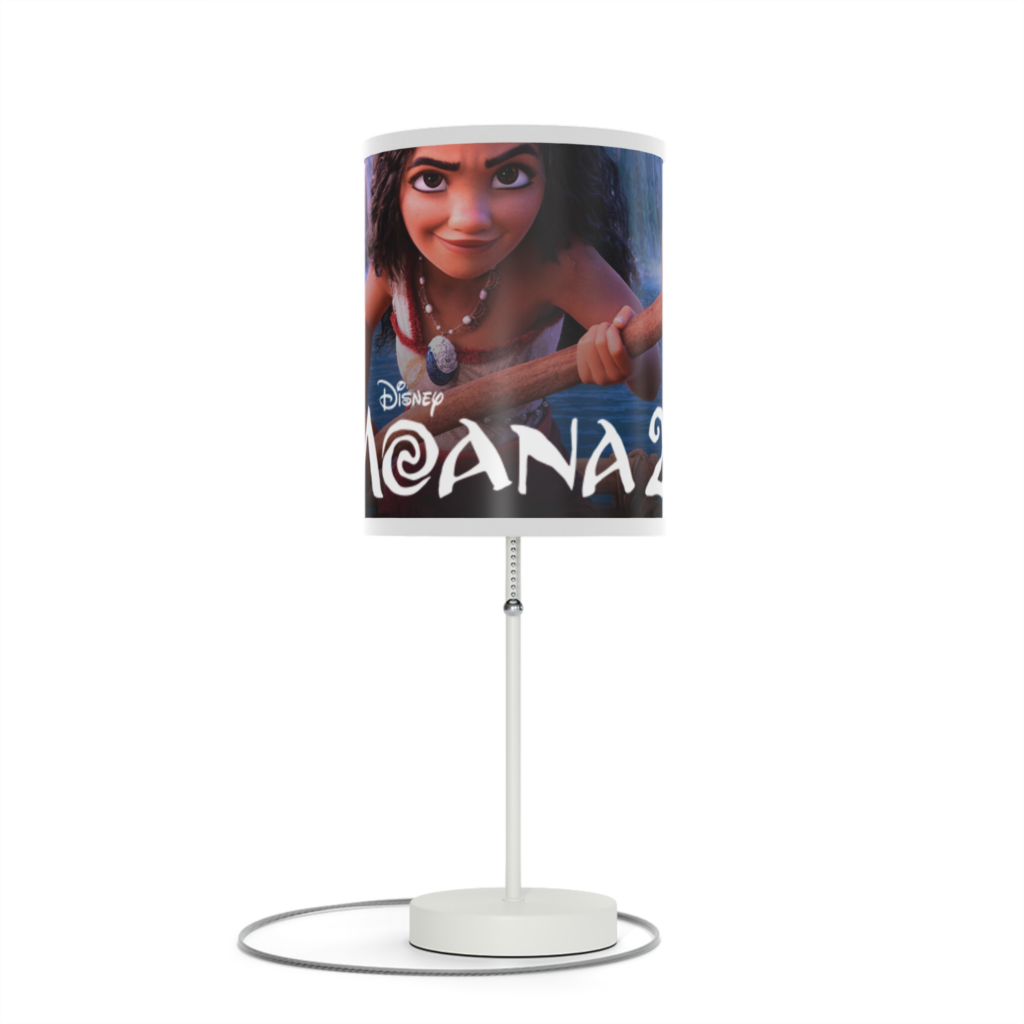
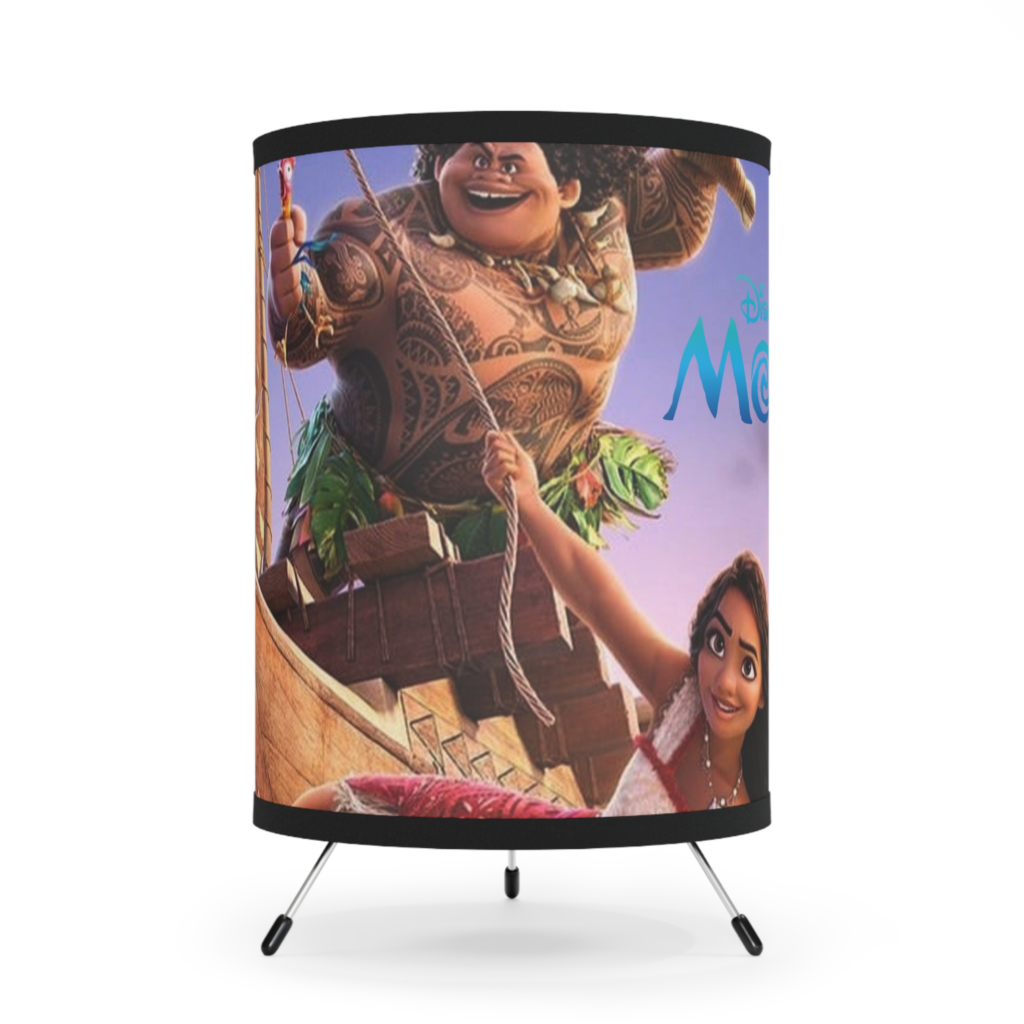
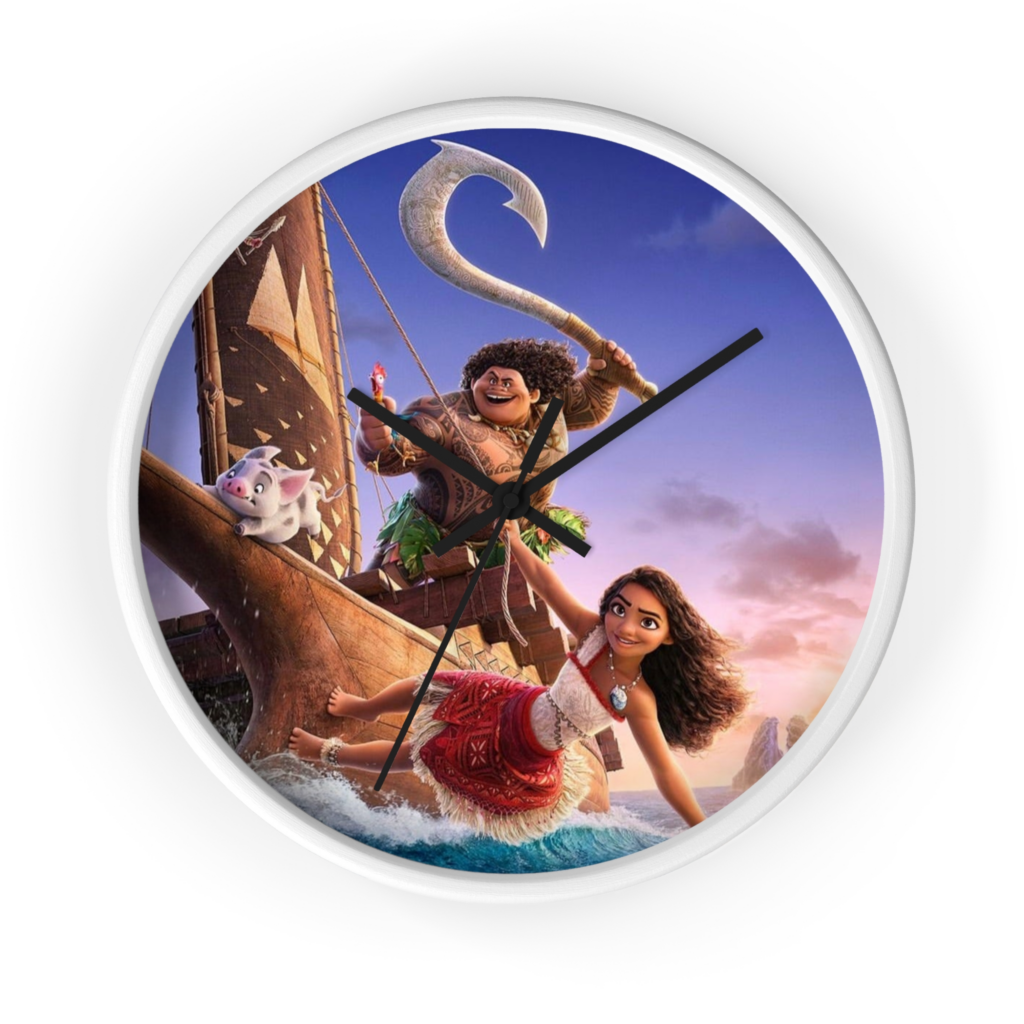
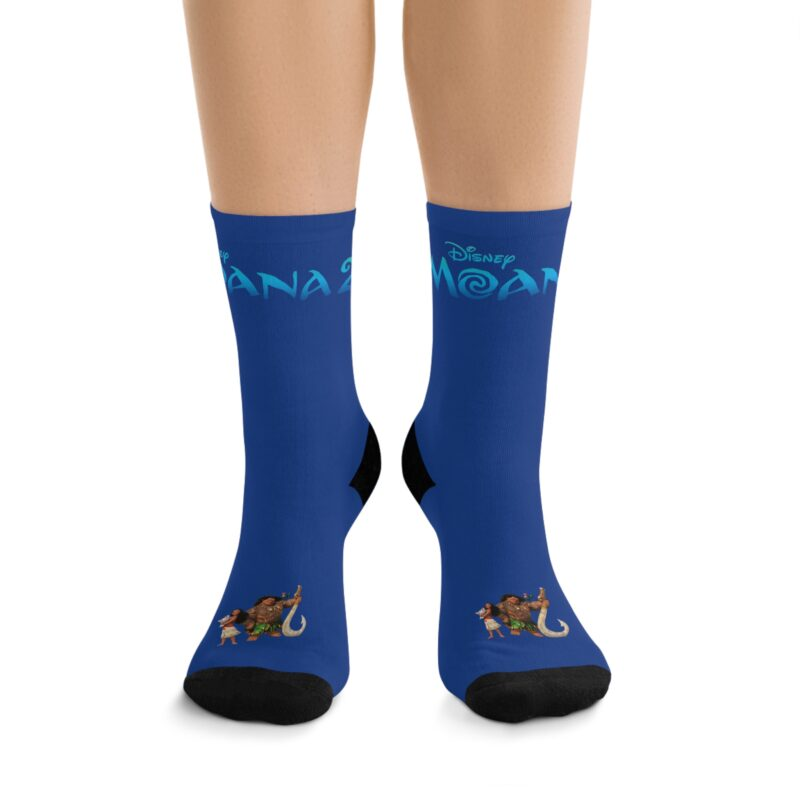
The Vending Lot’s Moana collection within its Film Studio Lot brings twelve officially licensed products to the fans who want to wear, use, and collect their way into this story’s world. The collection spans the range of product categories that The Vending Lot has established as its standard for film franchise merchandise — apparel designed and produced to the quality standards that serious fan merchandise demands, accessories built for daily use rather than one-time display, and collectibles that carry the visual identity of the film into formats that reward the dedicated collector.
The apparel in the collection reflects The Vending Lot’s established commitment to premium materials and production quality. Where lower-tier licensed merchandise treats fabric as an afterthought and print quality as something to be minimized in service of margin, The Vending Lot consistently sources its apparel from manufacturers whose construction standards — combed and ring-spun cotton, substantial fabric weights, set-in sleeves, structured fits — produce garments that feel worthy of the properties they represent. Moana’s visual world is a rich one: the teal and orange of the ocean and the sunset, the deep blues of open water, the vibrant patterns of traditional Polynesian textile design, and the specific visual identity that Disney and the film’s creative team have built around the characters. Apparel that carries that identity deserves to carry it well, and the Moana collection at The Vending Lot is built to that standard.
The accessories in the collection bring the practicality that makes fan merchandise genuinely useful rather than merely decorative. Tote bags, drinkware, and everyday carry items in Moana’s visual vocabulary are the kind of products that embed the story into the daily rhythms of life rather than keeping it behind glass. For a film whose central theme is taking what you love with you on the journey — literally, in the case of Moana’s necklace and her relationship with the ocean — merchandise designed for use rather than just display feels philosophically aligned with what the story is actually about.
The collectible tier of the collection serves the dedicated fan and the serious collector who wants to own something that marks this specific moment in the film’s history — the transition from animation to live action, the arrival of a new Moana, the continuation of a story that has mattered to millions of people for nearly a decade. These are the pieces that will mean something different in five years than they do today, because they mark a specific cultural turning point in the history of a beloved property.
Browse the complete Moana collection at The Vending Lot’s Film Studio Lot to find the specific pieces currently available — new inventory arrives regularly, and the collection is positioned to grow alongside the film’s theatrical run and beyond.
Thomas Kail and the Art of Adaptation
Thomas Kail’s credentials for this project deserve deeper examination than a résumé line allows, because understanding what he brings to Moana helps explain why the live-action version has the potential to be something genuinely distinct from the wave of Disney live-action remakes that preceded it.
Kail’s work on Hamilton — both the original Broadway production and the filmed version released on Disney+ in 2020 — demonstrated a specific and rare skill: the ability to take material that is already extraordinary in one format and find a way to present it in another format that honors the original’s power without simply replicating it. The filmed Hamilton was not a stage recording. It was a cinematic document of a theatrical event, and Kail’s camera work, editing instincts, and understanding of how to serve both the performers and the audience across two different formats simultaneously produced something that introduced the show to millions of viewers who had never seen it live and gave those who had something genuinely different from the experience they remembered.
Those instincts — for performance, for the relationship between music and camera, for how to make an epic story feel intimate and how to make an intimate story feel epic — are precisely what the live-action Moana needs. The original animated film is a masterwork of animation precisely because it uses the freedom of that format to build a world that is visually overwhelming in scale while remaining emotionally close in focus. The live-action version has to find a different way to hold those two qualities simultaneously, and Kail’s entire career has been building toward exactly that kind of problem.
Why the Merchandise Moment Matters
There is a window in the life of every major theatrical release when the connection between the film and the audience is at its most alive — when the conversations are happening everywhere, when the music is playing in everyone’s head, when the characters have just become new versions of themselves in a new context that audiences are still processing and absorbing. The merchandise that exists during that window carries a different kind of meaning than the merchandise that arrives after the cultural conversation has moved on.
The Vending Lot’s Moana collection is available right now, during exactly that window. The film opens July 10, 2026, and the twelve products in the collection are in stock and ready for the fans who want to mark this moment in a way that lasts. A shirt from the week of opening. A collectible from the year when Moana crossed from animation into live action. A tote bag that you carry to the theater and carry home and carry everywhere afterward, reminding you every time you reach for it that you were part of the audience that saw this story become something new.
That is what the best fan merchandise does. It does not just represent a property — it documents a relationship between a person and a story at a specific point in time. And the time, for Moana, is right now.
The Vending Lot Film Studio Lot: Where Disney Lives Alongside Everything Else
The Moana collection at The Vending Lot exists within a Film Studio Lot that covers Disney and Walt Disney Pictures properties across decades and dozens of titles — from the animated classics that defined the studio’s golden eras to the contemporary live-action productions that are reimagining those stories for new generations. The Moana section sits alongside collections for other beloved Disney properties, each one treated with the same curatorial seriousness and the same commitment to merchandise quality that has defined The Vending Lot’s approach to every property it carries.
Beyond Disney, the Film Studio Lot spans hundreds of theatrical properties across every genre and era — James Bond, Marvel Studios, Back to the Future, Spider-Man, Mission Impossible, National Treasure, the Paddington films, and dozens of others representing the full breadth of what cinema has produced across more than a century. The Merch Stand carries music merchandise for over 250 artists. The TV Studio Store covers scripted television from network classics to streaming prestige. On Broadway serves the stage production community. Funko Town brings collectible vinyl figures from across the entertainment world together in one place.
The Vending Lot newsletter on Substack is the direct line to what is arriving next — new drops, feature coverage, and the cultural context that makes merchandise meaningful for the readers who want the full story, not just the product page.
The Ocean Has Called Again — Answer It
The ocean chose Moana. And on July 10, 2026, Thomas Kail’s live-action version of that choice arrives in theaters with Catherine Lagaʻaia in the role, Dwayne Johnson embodying Maui in the flesh, a new Lin-Manuel Miranda song passing the torch between two generations of Moana, and the full weight of one of Disney’s most beloved modern stories reimagined for live-action cinema.
The Vending Lot’s twelve-product Moana collection is ready for all of it — the opening weekend, the months of theatrical run, and the years of collecting that follow. Whether you want to wear the story, carry it, collect it, or simply own a piece of a cultural moment that matters, the collection is available now at The Vending Lot’s Film Studio Lot.
The heart of Te Fiti is waiting. So is your next favorite piece of fan merchandise. How far will you go?