

 Cart is empty

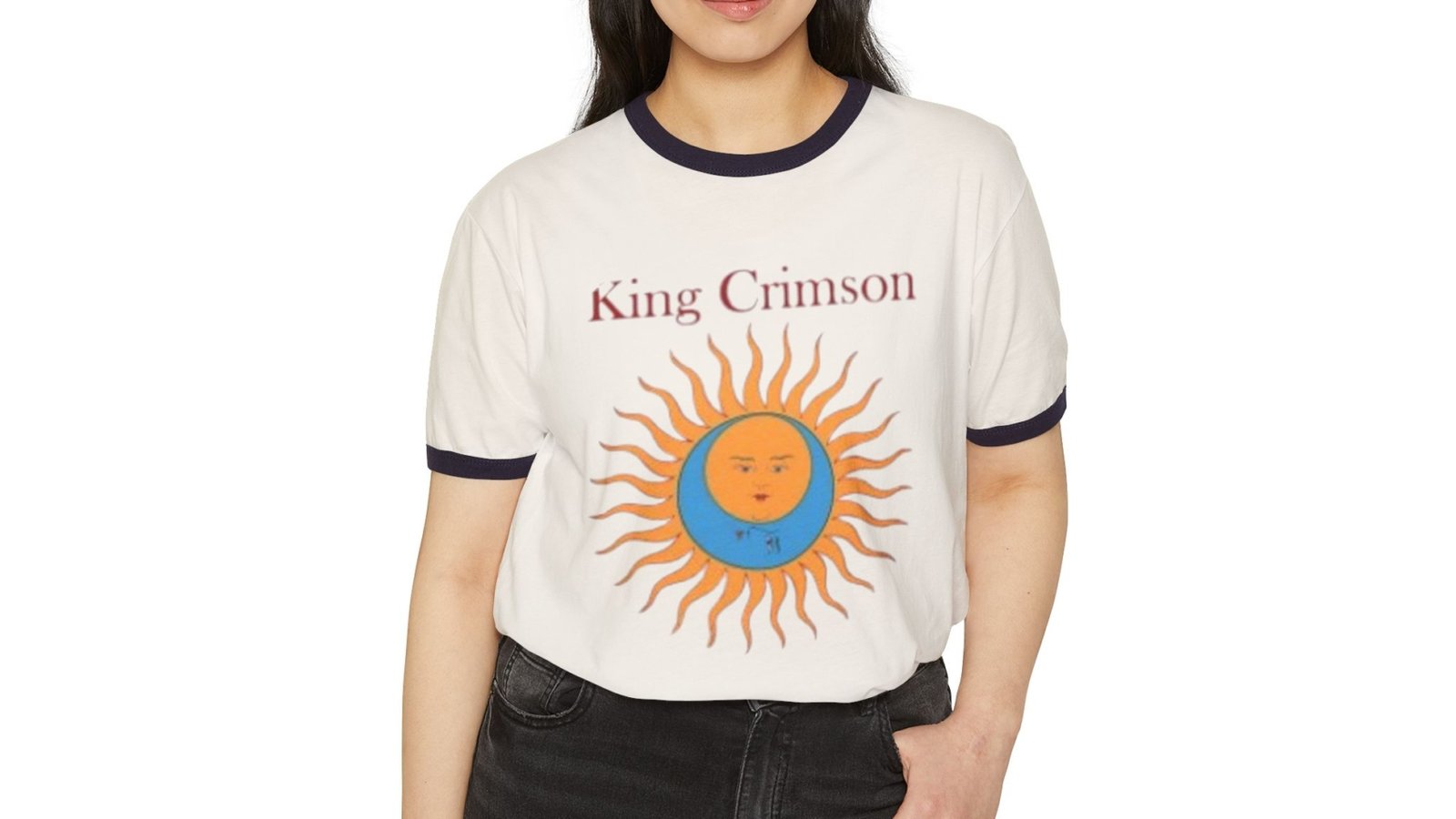
New Merchandise Now Available at The Merch Stand in The Vending Lot, King Crimson, Preservation Hall Jazz Band & Treme Collections
We are thrilled to announce the launch of exclusive King Crimson merchandise now available at The Vending Lot! Whether you’re a die-hard fan of progressive rock or simply appreciate groundbreaking musical innovation, this collection celebrates the iconic legacy of King Crimson, one of the most influential bands in the history of rock music.
From unique band t-shirts to limited-edition vinyl records and posters, we’ve curated a collection that reflects the band’s artistic evolution, spirit, and the power of their unforgettable sound. King Crimson’s sound has redefined boundaries in music, blending elements of progressive rock, jazz, and avant-garde compositions that have resonated with generations of listeners. Now, you can take home a piece of that history.
King Crimson: A Legacy of Musical Innovation
King Crimson, formed in 1969 by visionary guitarist Robert Fripp, has remained one of the most influential acts in progressive rock. Known for their groundbreaking work that transcends genres, King Crimson has never been content to follow trends, instead shaping them with their intricate arrangements and complex structures. The band’s sound combines elements of jazz, classical, and avant-garde, making them a cornerstone of the prog-rock genre.
With an ever-evolving lineup and musical direction, King Crimson’s sonic landscape has featured some of the most iconic albums of all time, including “In the Court of the Crimson King”, “Red”, and “Discipline”. These albums not only redefined progressive rock but also influenced countless musicians across genres, from alternative rock to metal and even modern classical music. The band’s music is as much about innovation as it is about pushing artistic boundaries, and that ethos is reflected in everything they do.
What’s New in the King Crimson Collection at The Vending Lot
We’re proud to offer a selection of King Crimson merchandise that captures the essence of the band’s artistry and legacy. Here’s a sneak peek at the exclusive items available now:
King Crimson Limited Edition Vinyl Records
Perfect for collectors or audiophiles, our vinyl collection includes classic albums like “In the Court of the Crimson King”, “Larks’ Tongues in Aspic”, and “Discipline”. Each record is pressed on high-quality vinyl to bring you the warm, rich sound of King Crimson’s revolutionary compositions. These vinyl releases are limited edition and come with exclusive artwork and packaging, making them a must-have for true fans.
Band T-Shirts and Apparel
Represent the king of progressive rock with our stylish King Crimson t-shirts and hoodies. Featuring iconic album artwork and minimalist designs, these pieces capture the band’s bold, eclectic aesthetic. Whether you’re at a show, a festival, or just enjoying the music at home, you’ll stand out in these timeless, comfortable designs.
- “Court of the Crimson King” T-shirt: Featuring the famous album artwork, this tee will transport you back to 1969.
- “Red” Hoodie: A sleek, modern design to reflect the intense energy of King Crimson’s “Red” era.
Posters and Artwork
Add a touch of King Crimson’s legacy to your wall with our selection of high-quality posters featuring album art from the band’s iconic records. Whether it’s the surrealism of “In the Court of the Crimson King” or the abstract designs from “Discipline”, these posters are perfect for any music lover’s space.
Exclusive Accessories
Our King Crimson collection also features unique accessories for fans of all ages:
- Pins and patches with album logos
- Canvas bags with the band’s album artwork
- Mugs featuring iconic album covers and symbols that King Crimson fans will recognize instantly.
Why Shop at The Vending Lot for King Crimson Gear?
At The Vending Lot, we are committed to offering the best selection of merchandise for fans of iconic bands like King Crimson. Our collection is curated with care, ensuring that each item not only celebrates the band’s legacy but also provides fans with quality merchandise that they can enjoy for years to come.
Whether you’re looking to show off your love for King Crimson through fashion, enhance your home with stunning artwork, or listen to their albums in the highest quality, The Vending Lot has everything you need. Plus, with our exclusive items, you’re sure to find something unique that you won’t find anywhere else!
Shop King Crimson Merch Today at The Vending Lot
Get your hands on these exclusive items now and show your support for one of the greatest progressive rock bands in history! Head to The Vending Lot and grab your King Crimson merchandise before it’s gone — these limited-edition items won’t last long. Whether you’re a long-time fan or new to the band’s powerful catalog, there’s something here for everyone. Explore the collection today and bring home a piece of musical history!
[Explore the King Crimson Collection Now]
King Crimson: Music Without Boundaries. Merchandise Without Limits.
Preservation Hall Jazz Band & Treme Collection
We’re excited to announce the arrival of exclusive Preservation Hall Jazz Band and Treme merchandise now available at The Vending Lot! Whether you’re a lifelong fan of New Orleans jazz or you’re just discovering the rich, soulful sounds of the city, this collection offers a unique opportunity to own a piece of musical history.
This new collection celebrates two essential pillars of New Orleans’ music culture: the Preservation Hall Jazz Band and the iconic HBO series Treme. Both are intimately connected to the city’s vibrant music scene, its cultural resilience, and its deep roots in jazz, funk, and soul.
From Preservation Hall Jazz Band t-shirts to Treme-themed posters and exclusive vinyl records, this collection is perfect for fans of New Orleans, jazz, and anyone who appreciates the power of music to shape history. Explore the rich culture of the Crescent City and take home a piece of it today.
Preservation Hall Jazz Band: The Heartbeat of New Orleans
The Preservation Hall Jazz Band has been the voice of New Orleans jazz for over half a century, preserving and perpetuating the city’s legendary jazz tradition. Formed in the early 1960s, the band was founded by a group of dedicated musicians who sought to keep the traditional sounds of early jazz alive, even as the genre began to evolve. With their signature brass-heavy sound, infectious rhythms, and soul-stirring melodies, the Preservation Hall Jazz Band became a vital part of New Orleans’ cultural landscape.
Performing regularly at Preservation Hall, a historic venue in the French Quarter, the band has not only kept the tradition of New Orleans jazz alive, but has also introduced it to global audiences, collaborating with musicians from around the world. Their music, while rooted in history, is ever evolving and always relevant, infusing the old with the new. With iconic tracks such as “Basin Street Blues” and “When the Saints Go Marching In”, the Preservation Hall Jazz Band has become synonymous with the essence of New Orleans music.
Treme: A Celebration of New Orleans Culture
Treme, the critically acclaimed HBO series, brought the music, culture, and resilience of New Orleans to television screens worldwide. Set in the aftermath of Hurricane Katrina, the show captured the city’s recovery through the lives of musicians, chefs, and residents who fought to preserve the traditions of New Orleans even in the face of unimaginable challenges. Named after the famous Treme neighborhood, known for its rich Creole heritage, the show was a tribute to the soul of the city—its music, people, and spirit.
Treme’s impact went far beyond the small screen. The show featured appearances by Preservation Hall Jazz Band, as well as numerous other jazz legends, reinforcing the strong relationship between the city’s music scene and its cultural fabric. The series not only showcased the indomitable spirit of New Orleans but also highlighted the crucial role of music in the community’s healing process.
What’s New in the Preservation Hall Jazz Band & Treme Collection at The Vending Lot
We are proud to offer a specially curated collection of Preservation Hall Jazz Band and Treme merchandise that brings together the spirit of New Orleans, the resilience of its people, and the soul-stirring power of its music. Here’s a sneak peek at the exclusive items now available:
Preservation Hall Jazz Band T-Shirts & Apparel
Show your love for one of New Orleans’ greatest cultural treasures with our Preservation Hall Jazz Band apparel collection. Featuring iconic designs and album art from the band’s storied career, these shirts and hoodies are perfect for jazz fans and anyone who wants to wear a piece of musical history.
- Preservation Hall Classic Logo T-shirt: Featuring the iconic Preservation Hall logo, this classic design is perfect for fans who want to show their support for the legendary venue and the music that it has nurtured for decades.
- New Orleans Brass Hoodie: A stylish hoodie with artwork inspired by the brass-heavy sounds of New Orleans jazz and the Preservation Hall Jazz Band’s signature style.
Treme-Inspired Merchandise
For fans of the beloved HBO series Treme, we have an array of items that celebrate the show’s legacy and its connection to the heart and soul of New Orleans. From Treme-themed posters to exclusive vinyl releases, our collection brings the magic of the show into your home.
- Treme Poster: Featuring iconic imagery from the show, this high-quality poster is a perfect tribute to the series and its powerful depiction of New Orleans’ recovery.
- “The Music Lives” Vinyl Record: A compilation album that showcases the music featured in Treme, including tracks by the Preservation Hall Jazz Band and other New Orleans greats. This is a must-have for fans of both the show and the city’s rich musical history.
Limited Edition Vinyl Records
Relive the sounds of Preservation Hall Jazz Band and Treme with our exclusive vinyl collections. Whether it’s the energetic brass of the band or the soulful tunes featured in Treme, these vinyl records are a perfect addition to any music collection.
- Preservation Hall Jazz Band – Live at the Hall: A live recording capturing the heart-pounding energy of one of the band’s most iconic performances.
- Treme Soundtrack: Featuring the music from the HBO series, this album is a love letter to New Orleans and the role music played in rebuilding the city.
Exclusive Accessories
Add a little New Orleans flair to your everyday life with our selection of Treme and Preservation Hall Jazz Band accessories:
- Custom Brass Band Pins: Wear your love for New Orleans music proudly with these collectible pins, featuring the iconic brass instruments that define the city’s sound.
- Canvas Tote Bags: Perfect for carrying your music gear, books, or groceries, these bags feature designs inspired by Treme and Preservation Hall.
Why Shop at The Vending Lot for Preservation Hall Jazz Band & Treme Gear?
At The Vending Lot, we pride ourselves on offering exclusive, high-quality merchandise that celebrates iconic music and culture. The Preservation Hall Jazz Band and Treme collections not only honor New Orleans’ rich musical heritage but also provide fans with unique, limited-edition items that they can cherish for years to come.
Whether you’re a longtime fan of New Orleans jazz, a lover of Treme, or someone who appreciates the power of music to bring communities together, our collection has something for everyone. And because our items are exclusive to The Vending Lot, you won’t find these pieces anywhere else.
Shop the Preservation Hall Jazz Band & Treme Collection Today!
Don’t miss your chance to own a piece of New Orleans music history! Visit The Vending Lot today to explore our Preservation Hall Jazz Band and Treme collection. These items are limited edition, and once they’re gone, they may never return. Whether you’re looking for something to wear, display, or listen to, we’ve got you covered with the best of New Orleans jazz and culture.
Explore the collection now and bring the soulful sounds of New Orleans into your life!
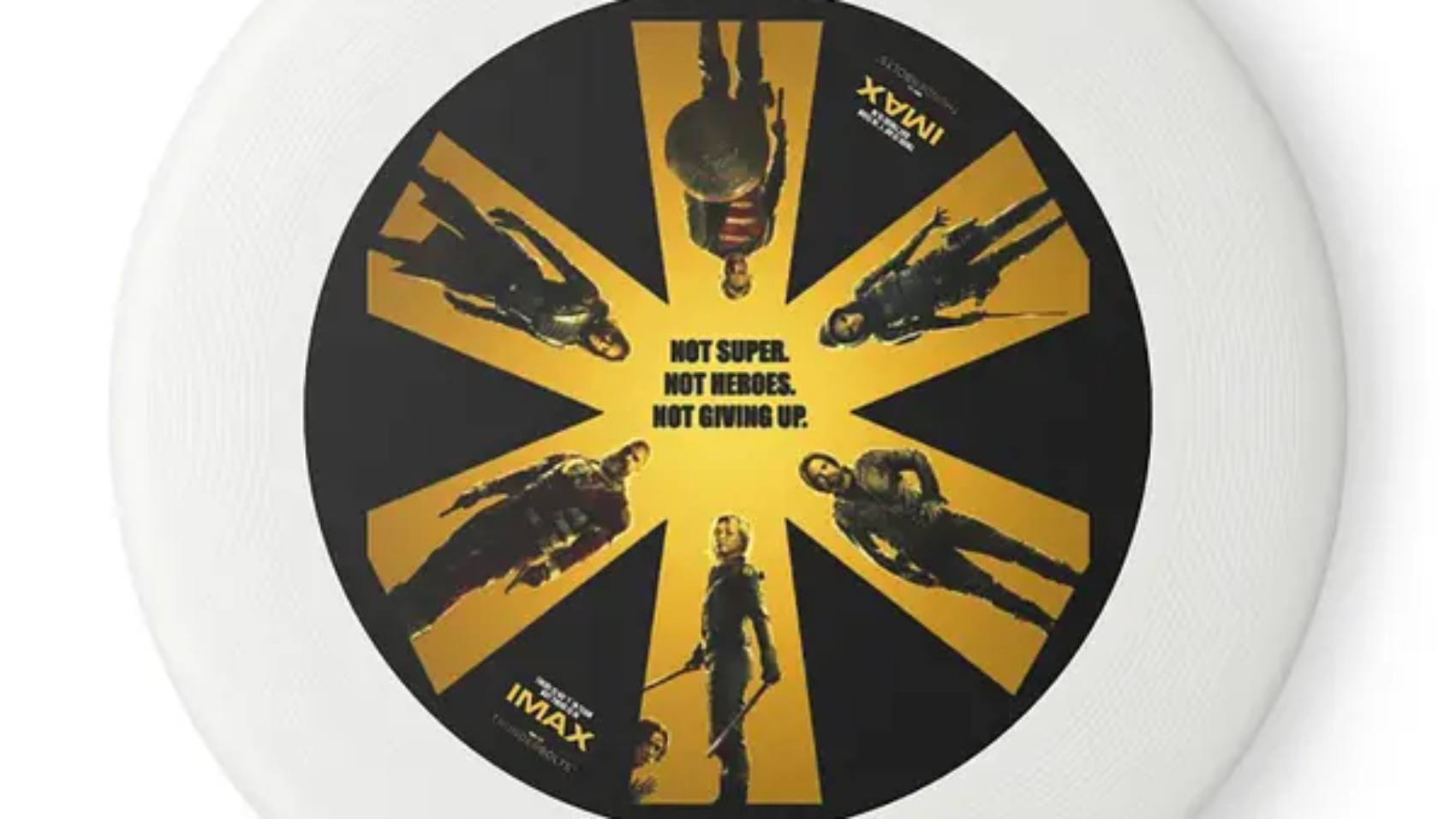
The Vending Lot Update with Thunderbolts* Official Merchandise Now Available!
We’re excited to announce that the Thunderbolts* Official Merchandise is now live at the Vending Lot! Gear up with exclusive apparel, accessories, and collectibles inspired by the latest action-packed mission of the most unconventional antihero team to ever assemble. Whether you’re a die-hard fan of Yelena Belova, Bucky Barnes, Red Guardian, Ghost, Taskmaster, or John Walker, we’ve got something just for you!
Get ready to rep your favorite Thunderbolt with t-shirts, hoodies, hats, and more. Don’t miss out on limited-edition items that you won’t find anywhere else! The Thunderbolts may have been ensnared in a deadly trap, but now you can embrace their spirit with some epic gear.
Thunderbolts Team:
- Yelena Belova (Black Widow) – Florence Pugh
- Robert Reynolds – Lewis Pullman
- Mel – Geraldine Viswanathan
- Alexei Shostakov (Red Guardian) – David Harbour
- U.S. Agent (John Walker) – Wyatt Russell
- Bucky Barnes (Winter Soldier) – Sebastian Stan
- Antonia Dreykov (Ghost) – Olga Kurylenko
- Helmut Zemo – Daniel Brühl
- Harrison Ford – [Role Unannounced]
Mission Overview: Ensnared in a death trap, the Thunderbolts* are forced to face their darkest secrets while taking on a dangerous mission that tests their resolve. The team must confront their pasts, uncover hidden truths, and work together if they want to survive the perilous road ahead. With tensions high, will they become heroes, or will they spiral further into their own chaos?
The Thunderbolts* are ready for action—are you? Don’t miss out on this unique opportunity to grab your exclusive merchandise and join the mission today! Visit The Vending Lot to shop now.
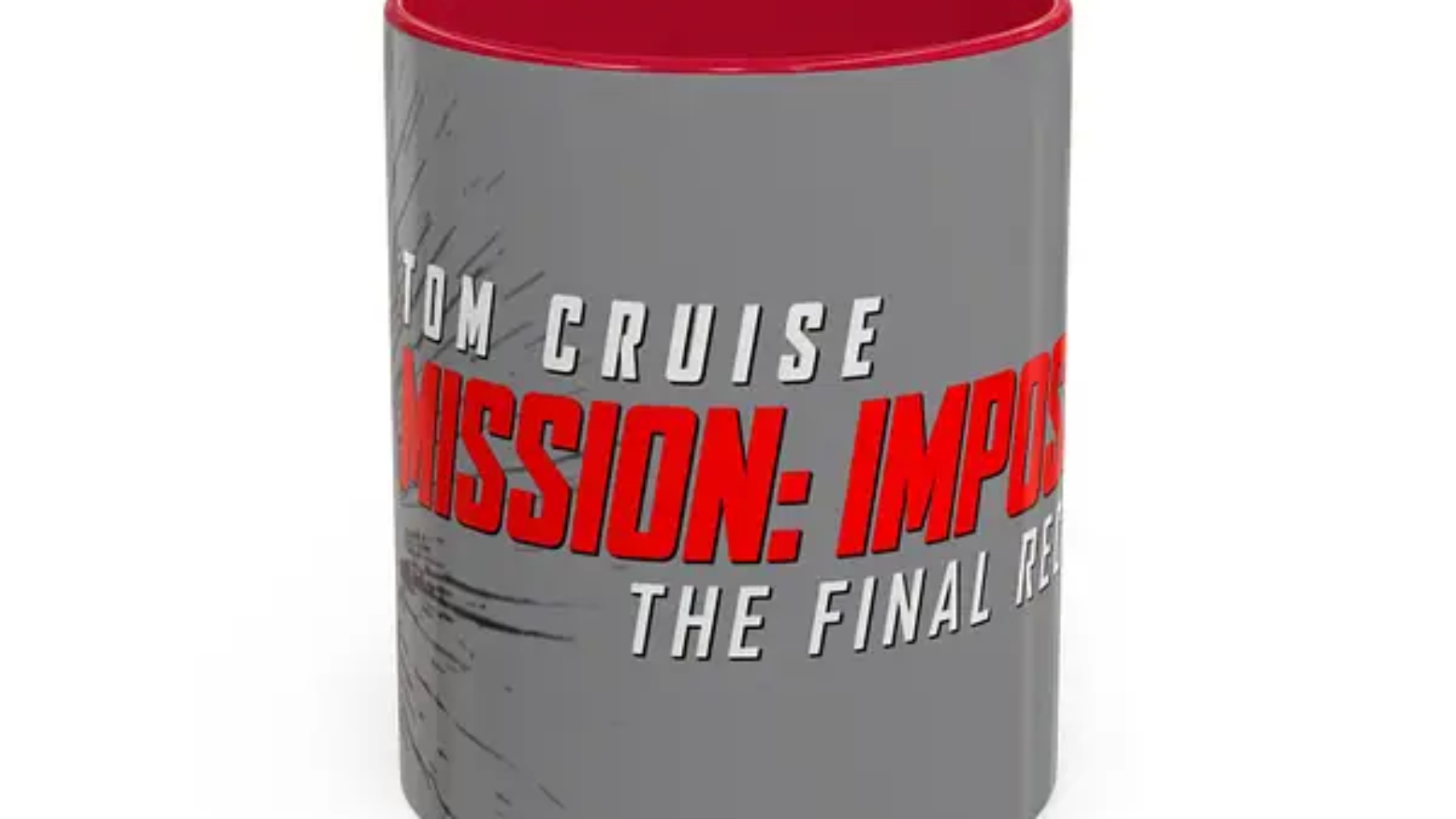
Mission: Impossible – The Final Reckoning: A Thrilling Conclusion to the Iconic Action Spy Series
Get ready for an adrenaline-fueled cinematic experience as Mission: Impossible – The Final Reckoning hits theaters soon. Directed by Christopher McQuarrie, who also co-wrote the screenplay alongside Erik Jendresen, this action-packed spy thriller is the highly anticipated sequel to Mission: Impossible – Dead Reckoning Part One. Marking the eighth installment in the Mission: Impossible franchise, The Final Reckoning promises to bring the series to an explosive conclusion.
As the saga reaches its climax, fans can expect the high-octane action, intricate plots, and breathtaking stunts that have become hallmarks of the Mission: Impossible films. The stakes are higher than ever as Ethan Hunt (played by Tom Cruise) and his IMF team face their most dangerous and complex mission yet. The fate of the world hangs in the balance, and it’s up to Ethan and his trusted allies to stop a global catastrophe.
A Sequel to Dead Reckoning and the Final Chapter
The events of Mission: Impossible – The Final Reckoning will pick up where Dead Reckoning Part One left off, continuing the story of Ethan Hunt and his team as they battle a new, more powerful foe. As the thrilling finale to the latest chapter of the Mission: Impossible saga, The Final Reckoning will feature all the heart-pounding action that fans have come to expect from the series. From breathtaking car chases to jaw-dropping stunt sequences, this film promises to be the most intense installment yet.
The Stars: Returning Cast Members and New Faces
Tom Cruise will once again reprise his iconic role as Ethan Hunt, joined by a star-studded cast of familiar faces. Returning alongside Cruise are Ving Rhames, Simon Pegg, Rebecca Ferguson, and Vanessa Kirby, all of whom have become beloved members of the IMF team over the years. Joining the ensemble are new cast members, who will bring additional layers of intrigue and tension to the story. As always, the mission will be fraught with twists, and no one is safe.

Merchandise Alert: Exclusive Mission: Impossible – The Final Reckoning Gear
In celebration of the upcoming film, Mission: Impossible – The Final Reckoning has launched an exclusive line of merchandise for fans looking to gear up for the action. Whether you’re looking for stylish clothing, collectibles, or unique accessories, there’s something for every Mission: Impossible enthusiast.
Here’s a peek at some of the exciting merch available now:
- Mission: Impossible – The Final Reckoning Hockey Puck – $44.98
Perfect for any collector or fan looking for a unique piece of memorabilia from the film series. - Mission: Impossible – The Final Reckoning Nantucket Crewneck Sweatshirt – $59.98 – $69.98
A comfortable and stylish addition to any wardrobe, perfect for those who want to rep the IMF in style.https://thevendinglot.com/product-category/film-studio-lot/mission-impossible-the-final-reckoning/ - Mission: Impossible – The Final Reckoning Unisex ComfortWash® Garment Dyed Crewneck Sweatshirt – $73.02 – $91.42
Stay cozy with this premium crewneck sweatshirt featuring exclusive film designs. - Mission: Impossible – The Final Reckoning Organic Unisex Classic T-Shirt – $51.43 – $57.95
For the eco-conscious fan, this organic cotton tee is a perfect way to show your love for the Mission: Impossible franchise. - Mission: Impossible – The Final Reckoning Champion Hoodie – $72.13 – $89.98
Rep the IMF with this high-quality hoodie that blends comfort and style. - Mission: Impossible – The Final Reckoning Adidas Unisex Performance Polo – $84.98 – $89.98
Ideal for the fan who likes to look good while staying active, this performance polo features the Mission: Impossible branding. - Mission: Impossible – The Final Reckoning Colorful Mugs (11oz, 15oz) – $24.98
Start your mornings off right with a mug that represents your love for the action-packed series.

With each piece of merchandise, you can bring the thrilling world of Mission: Impossible into your everyday life. From athletic wear to casual apparel, these items are a must-have for any diehard fan of the series.
Don’t Miss the Final Reckoning
Mission: Impossible – The Final Reckoning is shaping up to be one of the most epic action films in recent history, wrapping up Ethan Hunt’s journey in the most dramatic way possible. With McQuarrie at the helm, the film promises a masterful blend of action, suspense, and emotional depth, ensuring that fans will leave the theater on the edge of their seats.
Be sure to catch the latest installment in the Mission: Impossible series when it hits theaters soon. And while you’re waiting for the action to unfold on the big screen, be sure to check out the exclusive Mission: Impossible – The Final Reckoning merchandise to get your hands on some truly special gear!
The end of an era is coming, and Mission: Impossible – The Final Reckoning is poised to be a must-see event. Stay tuned for more updates and get ready for the thrill ride of a lifetime.

New Iconic Merch Collections made by Champion (Sweatshirts, T-Shirts & Hoodie Collections) Now Available at The Merch Stand in The Vending Lot: The Beatles, Bruce Springsteen, Metallica, Al Dimeola, Flight of the Conchords, Three Dog Night, Michael Jackson, The Jacksons & The Jackson 5 & More,
The Merch Stand continues to be the ultimate destination for music lovers and collectors alike, offering an exclusive range of high-quality, artist-inspired merchandise from some of the most legendary names in the music industry. Whether you’re a die-hard fan or just looking to add some classic rock flair to your wardrobe, the latest collections from The Beatles, Bruce Springsteen & the E Street Band, Metallica, Michael Jackson, Flight of the Conchords, and more are sure to turn heads.
Get ready to rock out in style with sweatshirts, t-shirts, hoodies, and other exclusive apparel celebrating these iconic music legends. Here’s a look at the latest drops at The Merch Stand that you won’t want to miss.
The Beatles: A Classic Collection for the Ages
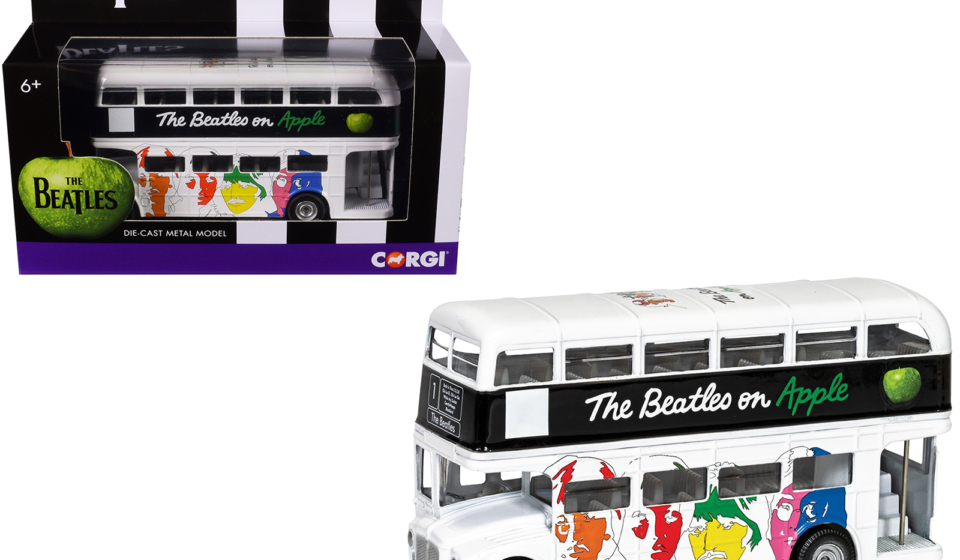
If there’s one band that forever changed the landscape of music, it’s The Beatles. Now, fans of the Fab Four can rep their love for this timeless band with an exclusive collection of vintage-style t-shirts, sweatshirts, and hoodies that pay homage to their legendary albums and iconic moments.
The Beatles’ collection at The Merch Stand features:
- Abbey Road-inspired designs that bring back memories of the band’s unforgettable album artwork.
- Classic Black and White silhouettes of the band, giving fans a chic, minimalist option to wear.
- Iconic Yellow Submarine graphics, a playful and colorful tribute to one of their most beloved songs.
Whether you’re looking for a throwback design or something more subtle, The Beatles merch collection delivers something for every fan.
Bruce Springsteen & The E Street Band: Gear Up with Legendary Rockwear
For fans of Bruce Springsteen and the E Street Band, The Merch Stand is now offering a fresh collection of apparel that channels the spirit of rock ‘n’ roll. Springsteen’s legacy has shaped the American sound, and now you can wear that legacy proudly with our Champion-branded sweatshirts, t-shirts, and hoodies.
New designs include:
- Born to Run and Darkness on the Edge of Town motifs that tap into the Boss’s most legendary albums.
- E Street Band logo graphics, a bold tribute to the band that made Springsteen’s sound so iconic.
- Limited-edition tour memorabilia, featuring artwork from classic Bruce Springsteen tours that fans can wear and treasure.
These stylish yet comfortable pieces are perfect for concertgoers, road-trippers, or anyone who feels the call of rock’s heartland.
Metallica: Heavy Metal Merch for True Fans
The legendary Metallica never goes out of style, and now you can bring their signature metal attitude with you wherever you go. The Merch Stand has just dropped a new collection of Metallica t-shirts, hoodies, and sweatshirts that pay tribute to the band’s legendary history, raw energy, and iconic album art.
Expect to find:
- Master of Puppets artwork that celebrates one of the band’s most influential albums.
- Ride the Lightning designs, perfect for fans who have loved Metallica since their early days.
- Vintage-inspired Kill ‘Em All graphics that capture the energy and aggression of their early work.
Whether you’re headbanging at a concert or just showing off your love for heavy metal, these pieces are made to stand out and stand the test of time.
Al Di Meola: For the True Jazz & Fusion Enthusiast
Jazz and fusion guitar legend Al Di Meola brings a sophisticated touch to the music world, and now his signature style is available at The Merch Stand. For the discerning fan who appreciates his virtuosic playing and fusion of genres, Al Di Meola’s latest collection of t-shirts and sweatshirts is the perfect way to show your support.
Designs in this collection include:
- Elegant abstract artwork that mirrors Al’s unique approach to the guitar.
- Signature tour merch showcasing album covers and Di Meola’s musical milestones.
This collection is a great way to show your appreciation for one of the greatest guitarists to ever live.
Flight of the Conchords: Quirky Merch for the Comedy & Music Fan
Known for their comedic brilliance and catchy tunes, Flight of the Conchords have captured the hearts of fans worldwide. Their unique sense of humor and musical talent come together in a special merch drop that includes t-shirts, hoodies, and sweatshirts inspired by their most beloved skits and songs.
Expect:
- “Business Time” themed designs featuring the band’s hilarious lyrics.
- Muppets-style graphics that pay homage to their wacky comedy.
- Fun and quirky designs that combine their musical and comedic talents.
Perfect for anyone who loves the band’s mix of offbeat humor and musical genius.
Three Dog Night: A Blast from the Past
For fans of classic rock and timeless hits, the Three Dog Night collection is a must-have. These new designs celebrate the band’s iconic hits like “Joy to the World” and “One,” bringing their classic sound to life through t-shirts and sweatshirts that take you back to the golden days of rock.
Features include:
- Vintage-inspired designs featuring song lyrics and album artwork.
- Classic band logos and symbols that stand the test of time.
- A nod to their iconic “Three Dog Night” concert era.
This collection is perfect for those looking to rock out in style while remembering some of the most unforgettable hits in rock history.
Michael Jackson, The Jacksons & The Jackson 5: The King of Pop Lives On
No collection would be complete without Michael Jackson, The Jacksons, and The Jackson 5. As one of the greatest entertainers of all time, Michael Jackson’s influence on music and fashion continues to live on, and now you can grab exclusive MJ merchandise at The Merch Stand.
New drops include:
- “Thriller” album-inspired designs, complete with iconic imagery from the music video.
- King of Pop-themed hoodies and t-shirts that celebrate MJ’s legendary performances.
- Designs paying tribute to The Jacksons’ Motown roots and The Jackson 5’s groundbreaking influence.
Whether you’re into MJ’s iconic moonwalk or The Jackson 5’s classic hits, there’s something for every fan in this collection.
And More: Timeless Merch for Music Legends
The Merch Stand has even more offerings for fans of music legends like:
- Prince and his unforgettable, genre-defying sound.
- Queen, with their show-stopping performances and iconic imagery.
- AC/DC, for fans of high-voltage rock and heavy riffs.
Each collection is designed to capture the essence of these legendary artists, offering fans a chance to wear their favorite band’s iconic style with pride.
Shop Now at The Merch Stand in The Vending Lot
The latest merch collections are now available at The Merch Stand, and there’s no better time to grab your favorite sweatshirt, t-shirt, or hoodie from the world’s greatest musicians. Whether you’re attending a concert, hanging out with friends, or just looking for a stylish new look, these collections are a perfect addition to your wardrobe.
Hurry—these collections are limited edition, and once they’re gone, they’re gone! Don’t miss out on your chance to represent the music legends that shaped the soundtrack of our lives. Visit The Merch Stand today and grab your piece of music history!

Get Ready for Action as The John Wick universe is expanding once again From the World of John Wick: Ballerina with New Merch at The Vending Lot
The John Wick universe is expanding once again—this time with From the World of John Wick: Ballerina, a high-octane spin-off set to hit theaters on June 6, 2025. Directed by Len Wiseman and written by Shay Hatten, this adrenaline-fueled entry in the franchise slots between John Wick: Chapter 3 – Parabellum and Chapter 4, promising fans a stylish and action-packed story that dives deeper into the mythos of the Ruska Roma.


Ana de Armas leads the film as Eve Macarro, a ballerina-turned-assassin seeking vengeance for her father’s death. Alongside de Armas, the cast features Gabriel Byrne, Catalina Sandino Moreno, Norman Reedus, and legacy stars like Keanu Reeves, Ian McShane, Anjelica Huston, and the late Lance Reddick in his final screen performance as Charon.
Set against the backdrop of a world where elegance meets violence, Ballerina traces Eve’s transformation as she trains under the Ruska Roma and takes shelter at the Continental Hotel in New York. With sweeping choreography, brutal fight scenes, and a haunting score by franchise veterans Tyler Bates and Joel J. Richard, the film promises to blend the elegance of ballet with the chaos of revenge.
🎯 New Drop at The Vending Lot: Ballerina Merch Has Arrived
To celebrate the upcoming release, The Vending Lot is rolling out a brand-new collection of exclusive merchandise inspired by Ballerina—perfect for die-hard fans of the Wick universe.
🔥 What’s in the lineup?
- Limited Edition “Eve Macarro” Action Figures – Featuring detailed sculpting, authentic weapons, and iconic poses straight from the film.
- Ruska Roma Embroidered Jackets – Sleek, black-and-gold outerwear inspired by the assassin’s secret society.
- The Continental Lounge Set – A luxury home collection of whiskey glasses, coasters, and decor worthy of a Continental suite.
- “Revenge in Motion” Posters – Cinematic art prints featuring Ana de Armas mid-fight, exclusive to The Vending Lot.
- Charon Commemorative Pins – Honoring the legendary concierge played by Lance Reddick, these collectible pins are a must for fans.
More surprises are on the way, with rotating drops leading up to the film’s release. So whether you’re suiting up for the big screen return or repping your allegiance to the High Table, The Vending Lot has you covered.
Get ready to pirouette into vengeance—From the World of John Wick: Ballerina isn’t just another action film, it’s a stunning new chapter in a saga that continues to redefine the genre. And with fresh merch in hand, you’ll be more than ready when the ballet begins.
🩰💀
Only at The Vending Lot. Only in theaters June 6, 2025.
New Drops from Iconic Artists & Upcoming Blockbusters the Week of April 11, 2025 on Today’s The Vending Lot Insider, From the World of John Wick: Ballerina, The Naked Gun, Mobland, more…
The Vending Lot is turning up the volume and the hype this week with an all-new wave of vintage vibes, iconic merch, and sneak peeks from the screen. From legendary music artists to hotly anticipated movie sequels and buzzy new TV hits, this drop is one for collectors, pop culture fans, and nostalgia lovers alike.
🎸 New in Music: Classic Icons, Fresh Merch
The legends have landed. Check out the latest music artist collections lighting up The Vending Lot:
⚡ Led Zeppelin
One of the greatest rock bands of all time storms the store with tour tees, vinyl pressings, and limited-edition posters inspired by their iconic live shows. Zeppelin fans—this drop is pure rock gold.
🌙 Three Dog Night
Celebrate the harmony of hits like “Joy to the World” and “Mama Told Me Not to Come” with a new line of retro-styled apparel, vintage concert memorabilia, and remastered LPs now available.
✨ Michael Jackson + The Jackson Family Legacy
- Michael Jackson: Timeless just got trendier. Browse a curated collection of Thriller-era jackets, Bad tour photo prints, and MJ Funko exclusives.
- The Jackson 5 & The Jacksons: Step into Motown magic with 70s-inspired tees, collectible pins, and colorful vinyls that bring back the glory days of pop soul.
🌞 KC and The Sunshine Band
Bring the disco fever with new sparkling tees, “Shake Your Booty” turntable mats, and funky drinkware that scream retro party vibes.
🎸 Peter Frampton
Feel like we do? You will when you see this new drop of Frampton Comes Alive! tour gear, signed guitar picks, and exclusive lyric prints celebrating his legendary legacy.
🎬 From the Big Screen: New Film Hype Hits the Lot
Get ready for your watchlists to explode—The Vending Lot is bringing merch and collectibles tied to some of 2025’s most anticipated film releases:
🔫 From the World of John Wick: Ballerina
Ana de Armas leads this assassin-filled spin-off—and the black-and-gold aesthetic hits the Lot hard with Ballerina pins, tactical-style apparel, and Wick Universe journals.
⚔️ Warfare
The explosive action drama drops this summer, and its pre-release merch is already turning heads: military-inspired caps, dog tags, and film still posters straight from the battlefield.
💼 The Accountant 2
Ben Affleck returns—and so does the sleek, sharp merch. Expect minimalist mugs, puzzle-style movie posters, and calculating vibes worthy of Christian Wolff.
😂 The Naked Gun (Reboot)
Comedy gets chaotic again! The new reboot drops later this year, and The Vending Lot’s pre-release includes vintage parody tees, badge lanyards, and classic slapstick clips in collectible formats.
📺 TV’s Latest: New Series, New Swag
Streaming is booming, and The Vending Lot is dropping weekly updates from the TV world. Here’s what’s trending now:
🩺 St. Denis Medical
This hospital drama is heating up—grab scrub-style hoodies, character ID badge replicas, and script booklets from key episodes.
🕵️ Mobland
Crime, family, and power—get immersed in the underworld with black-on-black logo wear, mob ledger journals, and cigarette case replicas from the show’s grittiest scenes.
🎬 The Studio
Go behind the scenes of showbiz in this slick dramedy. The collection includes director’s chair miniatures, production notes replicas, and “Scene 1, Take 1” clapperboard t-shirts.
🚨 And More… Added Daily!
The Vending Lot isn’t done yet. New drops arrive every single day, including:
- Collector-exclusive bundles
- Digital collectibles
- Signed artist memorabilia
- Behind-the-scenes bonus content
🛒 Ready to explore?
Head to The Vending Lot and catch the latest music legends, movie must-haves, and small screen sensations before they sell out.
📦 Don’t just stream it—own it.
#TheVendingLot #LedZeppelin #MichaelJackson #JohnWickBallerina #Mobland #TVCollectibles #VinylDrop #FramptonComesAlive #KCAndTheSunshineBand #NewMerchDrop
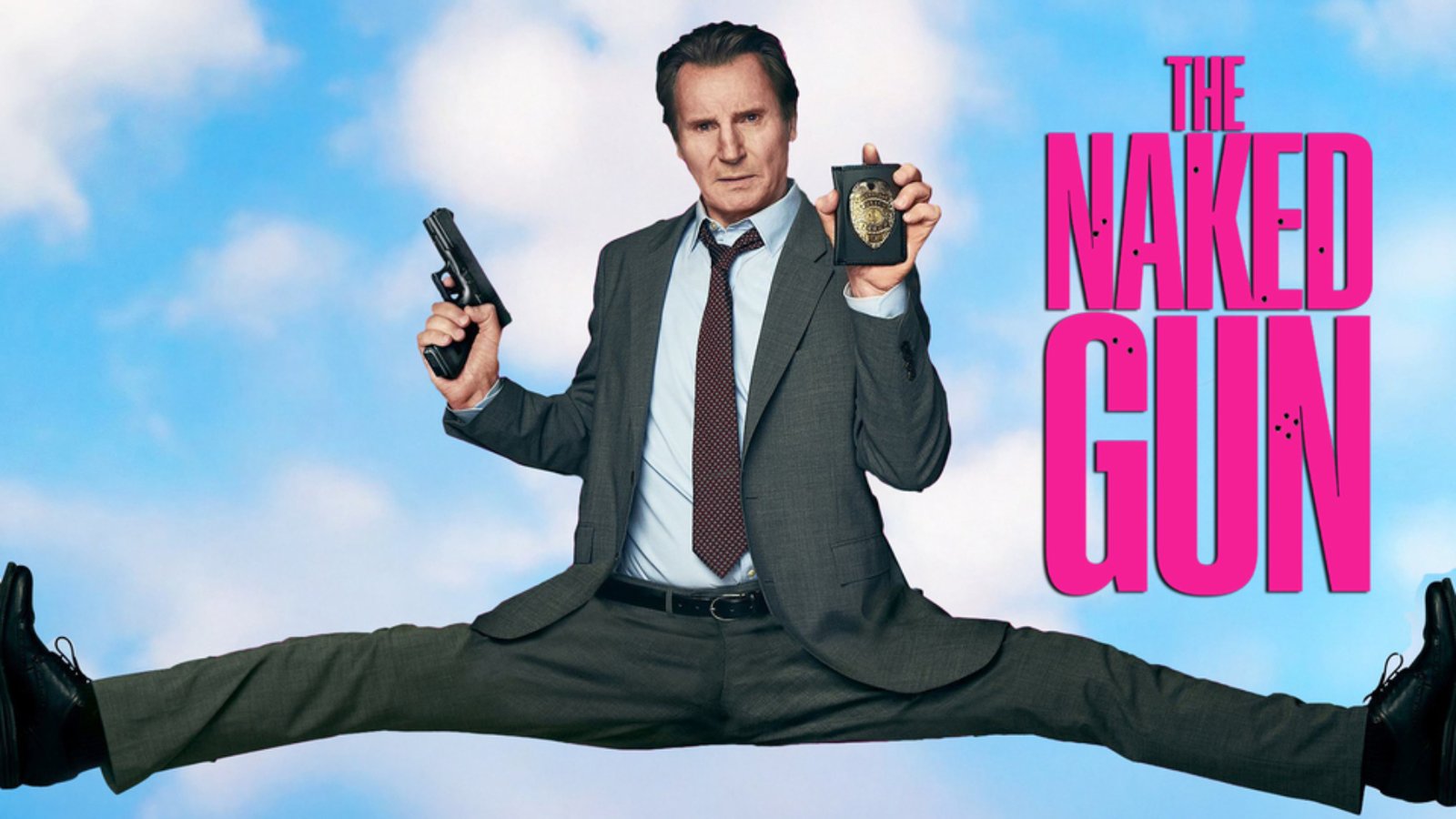
Brand New Exclusive Merchandise from Upcoming Films to Watch in 2025: The Naked Gun and Warfare, With The Naked Gun bringing back its legendary brand of humor and Warfare offering a deep dive into the sacrifices of war!
The Naked Gun (2025)
Get ready for a hilarious return of one of the most beloved comedy franchises of all time. The Naked Gun, based on the iconic “Police Squad!” TV series, is set to hit theaters this year, bringing the slapstick, absurd humor back to the big screen. Created by Jim Abrahams and the Zucker brothers, David and Jerry Zucker, The Naked Gun has long been a fan favorite for its over-the-top antics, zany one-liners, and quirky characters.

This new iteration, produced by Seth MacFarlane, promises to keep the same irreverent humor fans loved in the original while introducing a fresh take on the beloved detective series. The film is expected to mix classic Naked Gun absurdity with modern sensibilities, offering plenty of laughs for both new audiences and long-time fans of the franchise.
The star-studded cast adds an exciting new twist. Liam Neeson, known for his action-packed roles, will take on the lead role, perhaps adding a bit of his trademark seriousness to the film’s ridiculousness. Joining him is Paul Walter Hauser, renowned for his comedic timing and memorable performances in films like I, Tonya and Richard Jewell, bringing his unique style to the ensemble. And rounding out the cast is the ever-glamorous Pamela Anderson, whose presence will add a layer of nostalgic charm to the film, appealing to fans of the original Naked Gun films.
With its rich comedic legacy and talented cast, The Naked Gun is poised to be a must-see for anyone looking for laughs in 2025.
Warfare (2025)
Shifting gears to a more intense and emotional experience, Warfare takes audiences deep into the heart of conflict, following a platoon of Navy SEALs as they embark on a dangerous mission in Ramadi, Iraq. This gripping war film will explore the chaos, camaraderie, and emotional toll of combat as told through the memories of the soldiers who lived it.

Warfare promises to deliver a powerful and harrowing look at the realities of modern warfare. With a focus on the personal stories of the SEALs, the film will dive into their emotional journeys as they navigate the brutal landscape of war, friendship, and survival. It’s a reminder of the sacrifices made by those who serve, shedding light on the human side of military operations often obscured by the action-packed scenes typical of war films.
The film is expected to be both intense and reflective, capturing the grit and bond that forms between soldiers in the face of unimaginable danger. It’s a must-see for fans of war films and those interested in the emotional and psychological challenges that soldiers endure. Warfare will surely leave a lasting impression as it explores the cost of bravery, loyalty, and survival in a war-torn world.
With The Naked Gun bringing back its legendary brand of humor and Warfare offering a deep dive into the sacrifices of war, 2025 is shaping up to be an exciting year for film lovers. Whether you’re looking for laughs or gripping drama, these two films will provide an unforgettable cinematic experience. Stay tuned for more updates and get ready to hit the theaters for these much-anticipated releases.
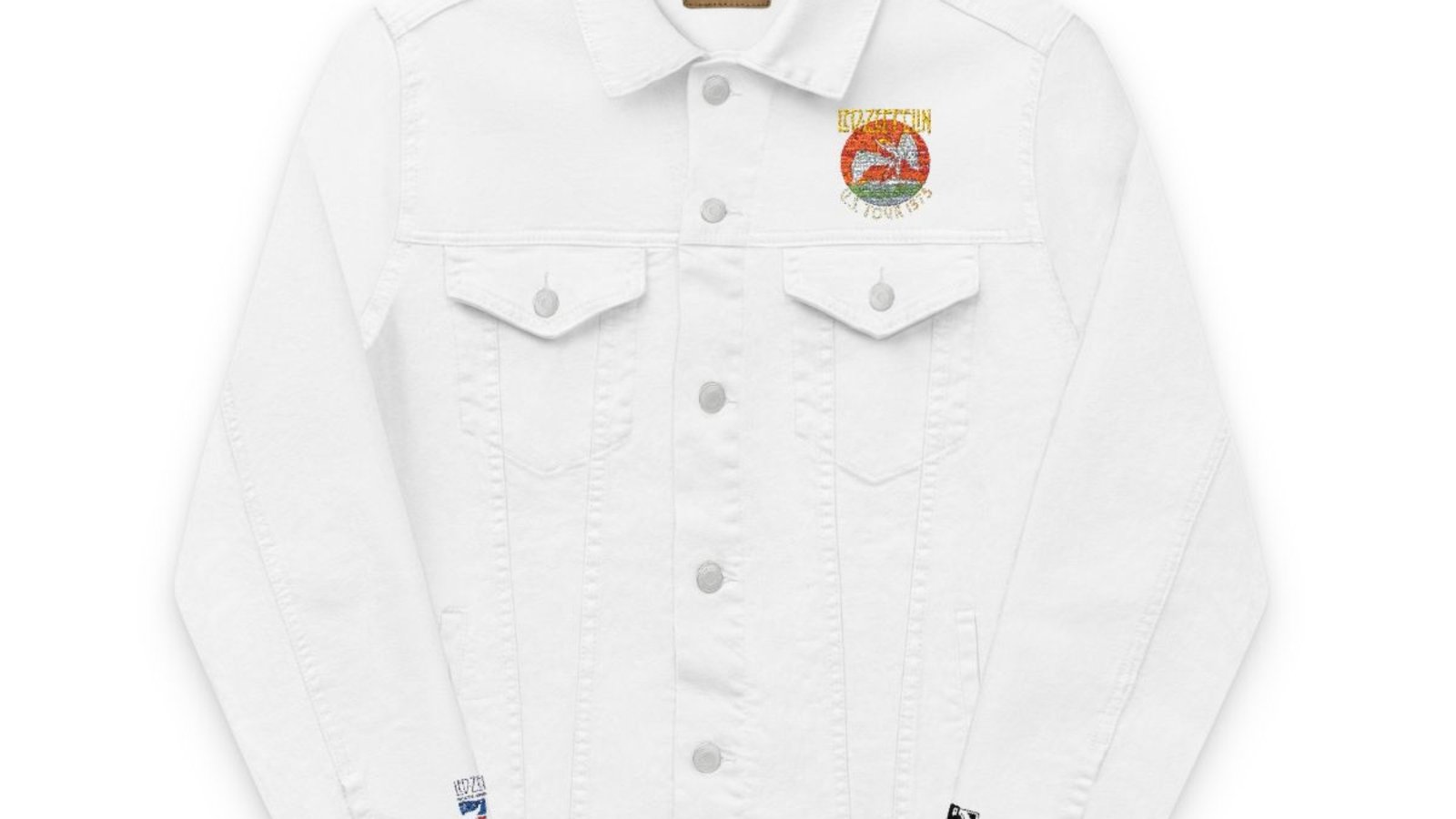
The Vending Lot’s Exclusive Denim Jacket Collection that highlights both product styles and the Artist-Inspired Lineup Where Music Meets Timeless Style
The Vending Lot Unveils Exclusive Denim Jacket Collection
The Vending Lot has just dropped an electrifying new lineup of exclusive denim jackets—and it’s everything music and fashion lovers have been waiting for. With designs that celebrate legendary artists and iconic moments in pop culture, this collection is more than just outerwear—it’s wearable history.
From Led Zeppelin to Kendrick Lamar, The Vending Lot’s jackets are more than a fashion statement—they’re a tribute to music legends and cultural milestones.
Two Signature Styles, One Statement Look
The new collection features two distinct styles: a classic Men’s Denim Jacket and a bold, embroidered Unisex Denim Jacket.
🧵 Unisex Embroidered Denim Jacket: Make a Bold Statement
Crafted from a premium blend of 99% ring-spun combed cotton and 1% spandex, this jacket strikes the perfect balance between comfort and durability. The 12 oz/yd² (407 g/m²) fabric ensures it will withstand the test of time, while the classic chest pockets with buttons and detailed embroidery make it a standout piece in any wardrobe.
Whether you’re pairing it with jeans for a double-denim look or layering over a hoodie, this jacket offers versatile style with a touch of rockstar flair.
Perfect for: Matching sets, artist collaborations, and fans who want to show off their style and their music taste.
👕 Men’s Denim Jacket: Classic Cool, Everyday Ready
This traditional men’s jacket features a lapel collar, button-front closure, and front slant pockets, making it a timeless go-to. Constructed with a blend of 90% cotton, 6% polyester, 3% rayon, and 1% spandex, it offers a relaxed fit with just the right amount of stretch and structure.
The medium wash denim adds a rugged, worn-in vibe that only gets better with time. Think vintage feel with modern comfort.
Featured Denim Jackets from the Collection
From rock legends to hip-hop trailblazers, here’s a taste of the iconic jackets now available:
- Cream Denim Jacket
- Squeeze Denim Jacket
- Peter Frampton Denim Jacket
- Led Zeppelin Denim Jacket
- David Byrne Denim Jacket
- Hall & Oates Denim Jacket
- James Brown Denim Jacket
- Bon Jovi Denim Jacket
- Creed Men’s Denim Jacket
- U2 Men’s Denim Jacket
- Helmet Men’s Denim Jacket
- Rob Zombie Men’s Denim Jacket
- Spinal Tap Men’s Denim Jacket
- The Stones Men’s Denim Jacket
- Electric Light Orchestra Men’s Denim Jacket
- Becoming Led Zeppelin Men’s Denim Jacket
- Willie Nelson Men’s Denim Jacket
- Zac Brown Band Men’s Denim Jacket
- Bruce Springsteen Greetings From Asbury Park Denim Jacket
- George Clinton Parliament Funkadelic Men’s Denim Jacket
- Banksy Walled Off Hotel Men’s Denim Jacket
- A Tribute To Freedom Men’s Denim Jacket
- Bruce Springsteen & The E-Street Band 2003 Tour Denim Jacket
- The Grateful Dead Europe 72 Men’s Denim Jacket
- Kendrick Lamar 2025 Super Bowl LIX Halftime Show Men’s Denim Jacket
- Whitney Houston’s The Concert for a New South Africa! Men’s Denim Jacket
- Frank Zappa & The Mothers of Invention
- Frank Zappa
- Tomorrowland
- Tomorrowland Brasil
- Tomorrowland Winter
And for fans of embroidery and premium detail:
- Cream Unisex Denim Jacket (Embroidery)
- Squeeze Unisex Denim Jacket (Embroidery)
- Peter Frampton Unisex Denim Jacket (Embroidery)
- Led Zeppelin Unisex Denim Jacket (Embroidery)
- David Byrne Unisex Denim Jacket (Embroidery)
- Hall & Oates Unisex Denim Jacket (Embroidery)
- James Brown Unisex Denim Jacket (Embroidery)
- The Grateful Dead Unisex Denim Jacket (Embroidery)
- Frank Zappa & The Mothers of Invention (Embroidery)
- Frank Zappa (Embroidery)
- Tomorrowland (Embroidery)
- Tomorrowland Brasil (Embroidery)
- Tomorrowland Winter (Embroidery)
More Classic music Artists and Tour designs added daily.
The Jacket That Tells Your Story
Whether you’re repping your favorite band, honoring a musical moment, or just elevating your street style, The Vending Lot’s denim jackets combine art, history, and personal expression in every stitch.
Grab your favorite before it’s gone—these exclusives won’t stay in stock for long.
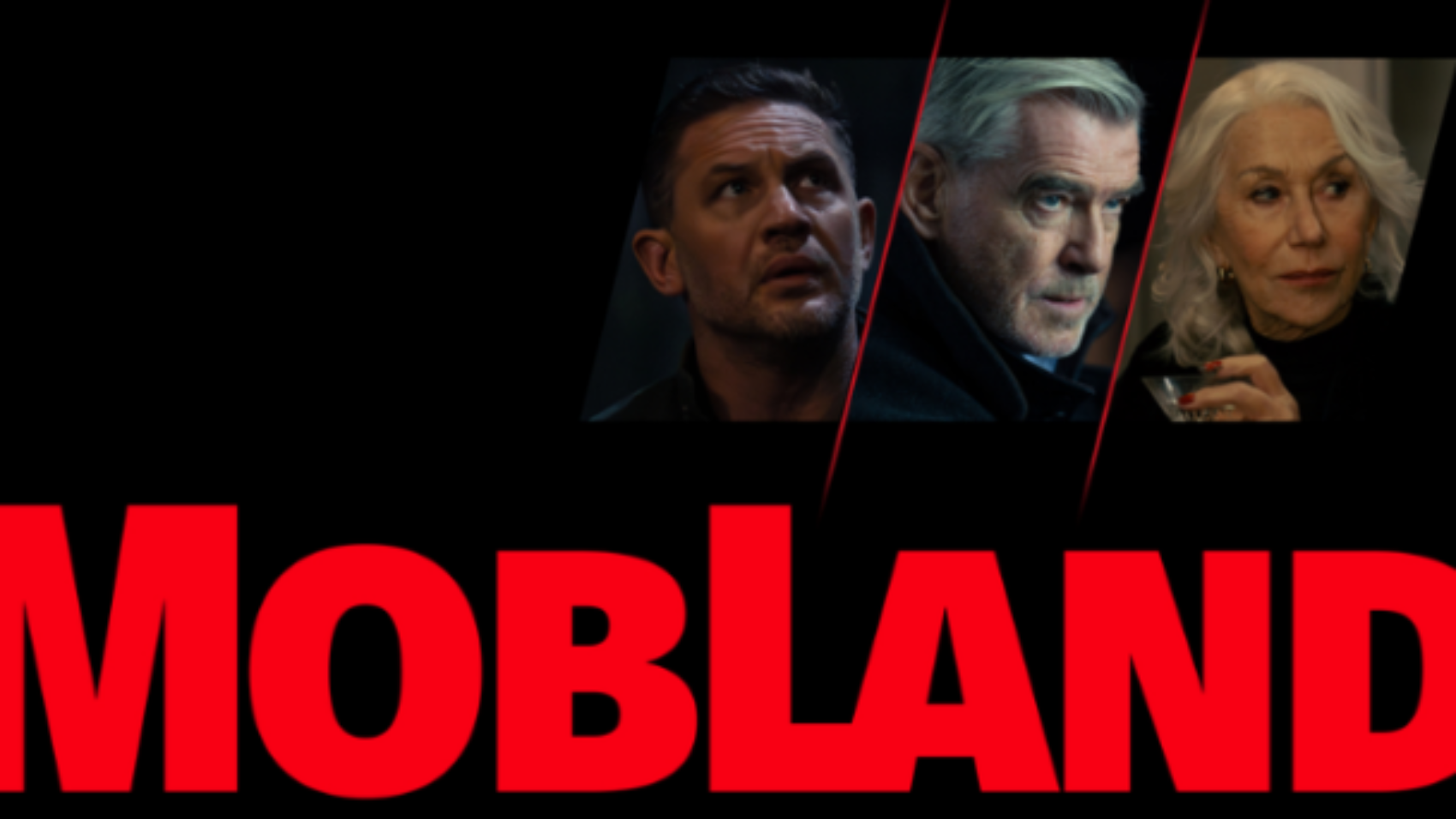
Guy Ritchie’s MobLand Brings High-Stakes Crime Drama to Paramount+ With a Star-Studded Cast, Intense Family Feuds, and Exclusive Merchandise Available on eBay, Amazon, Walmart, and TikTok Through The Vending Lot—Everything You Need to Know About the Release Schedule, Plot, and Where to Get Official Show Collectibles!
MobLand TV Series and Merchandise Availability
About the Show:
MobLand is a crime drama series directed by Guy Ritchie and created by Ronan Bennett. Originally conceived as The Donovans, a spinoff of Ray Donovan, the show has evolved into a standalone crime saga. The series revolves around two warring crime families, the Harrigans and the Stevensons, in London, where power struggles and betrayals threaten their empires. The cast includes heavyweights like Tom Hardy, Pierce Brosnan, and Helen Mirren, with Hardy playing Harry Da Souza, the family’s fixer, while Brosnan portrays the ruthless crime boss Conrad Harrigan
whattowatch.com soapcentral.com.
The series premieres on March 30, 2025, on Paramount+, with episodes released weekly
Merchandise Availability:
Fans of MobLand can get their hands on official merchandise through The Vending Lot, which offers products on major retail platforms like eBay, Amazon, Walmart, and TikTok. Items may include apparel, collectibles, posters, and other themed accessories, making it a must-have for followers of the show