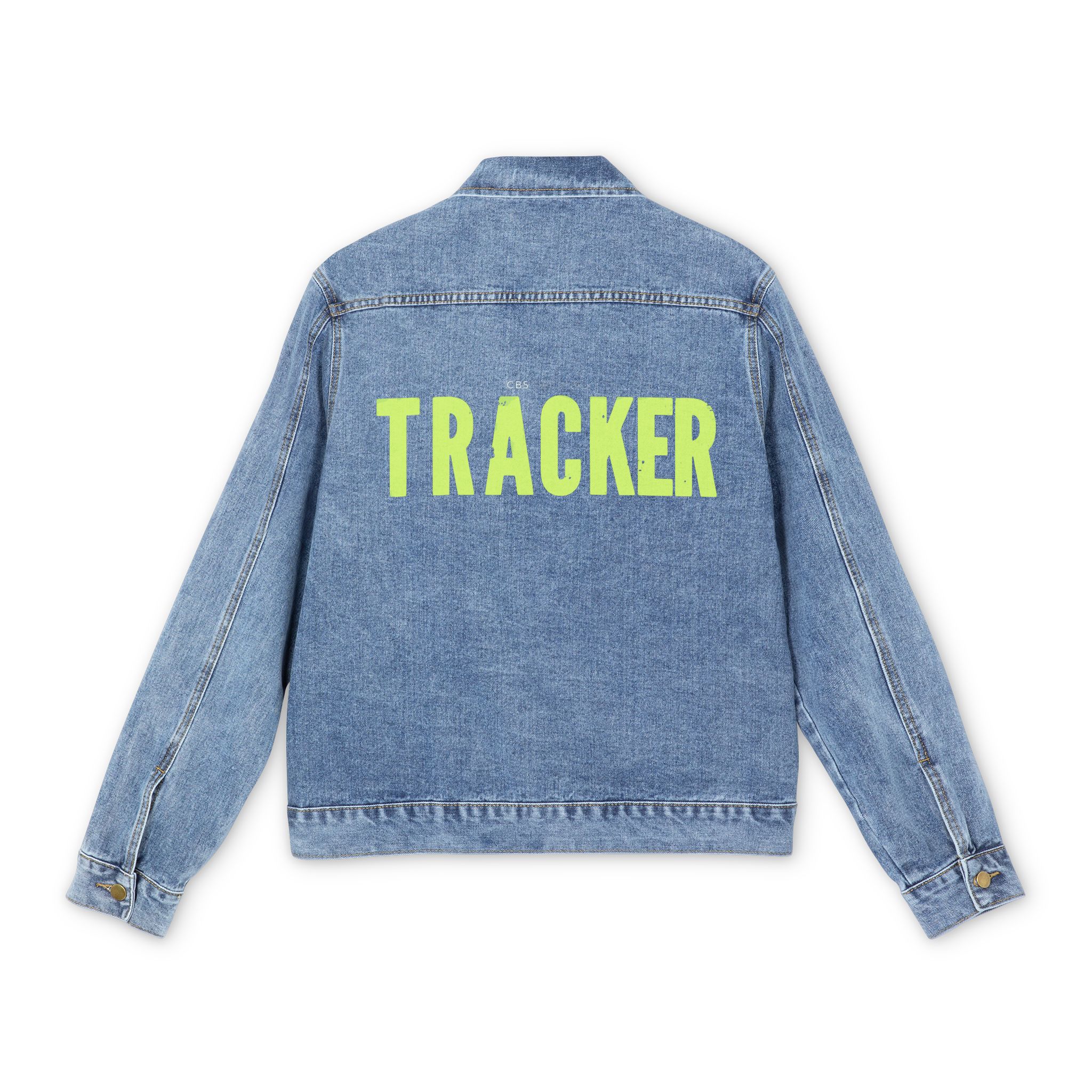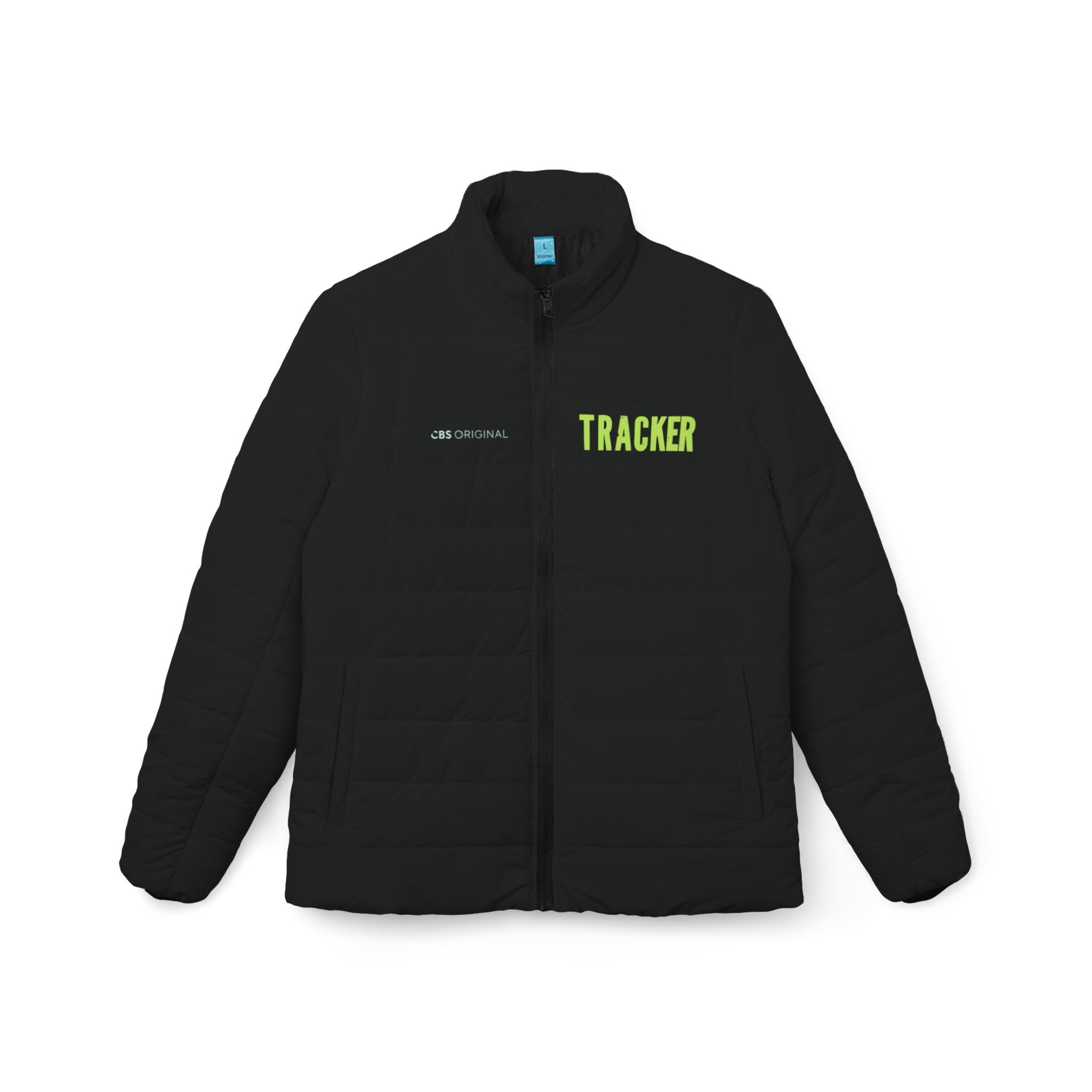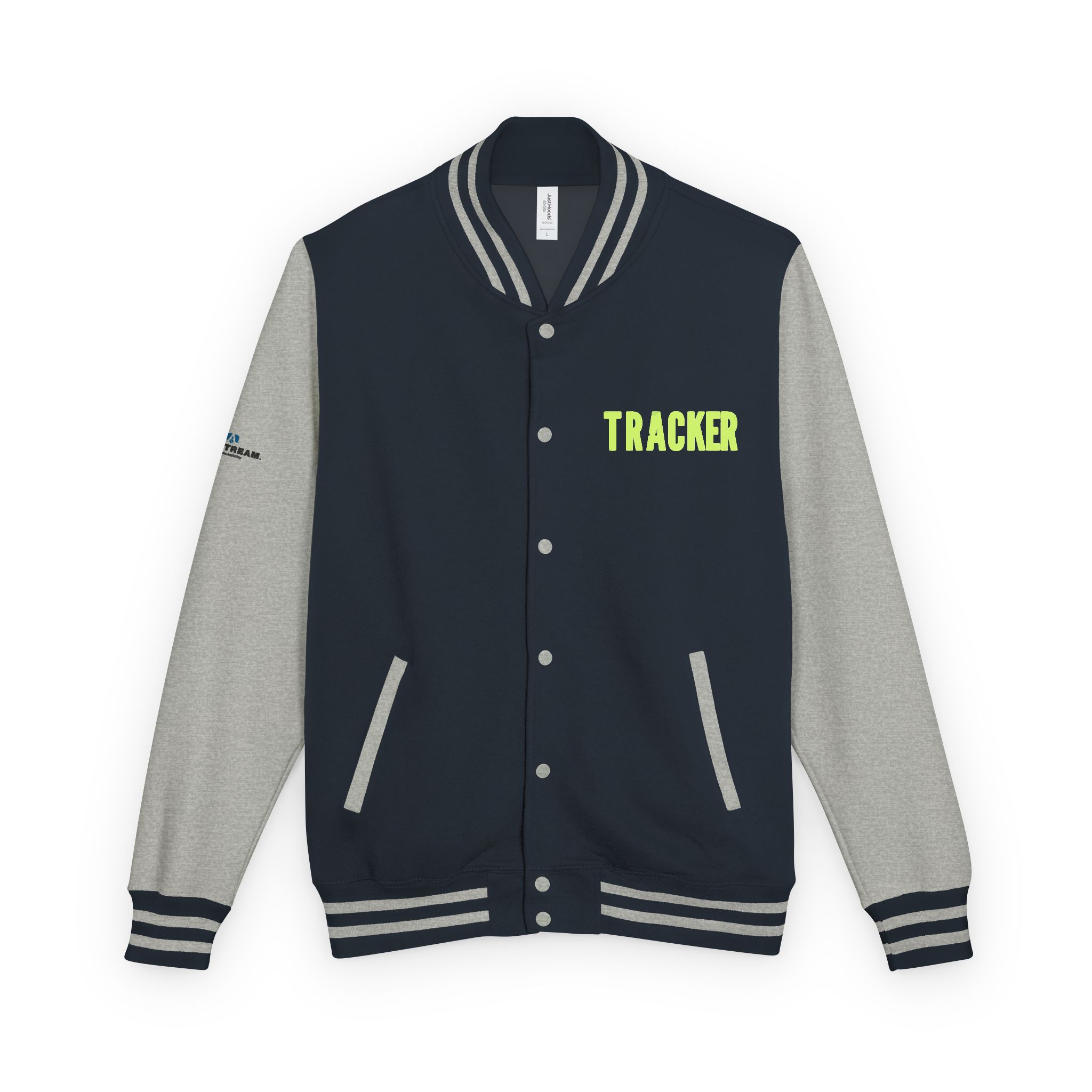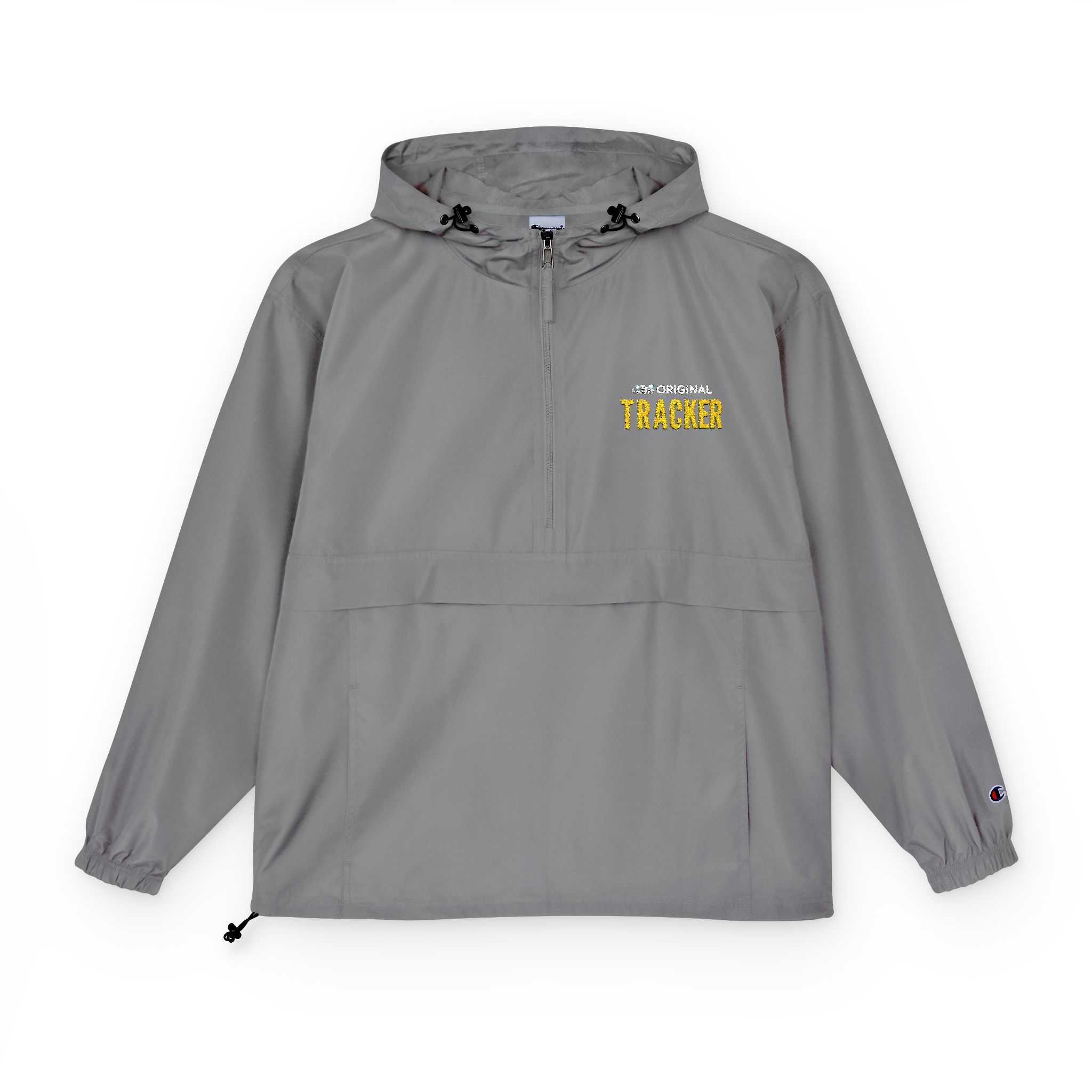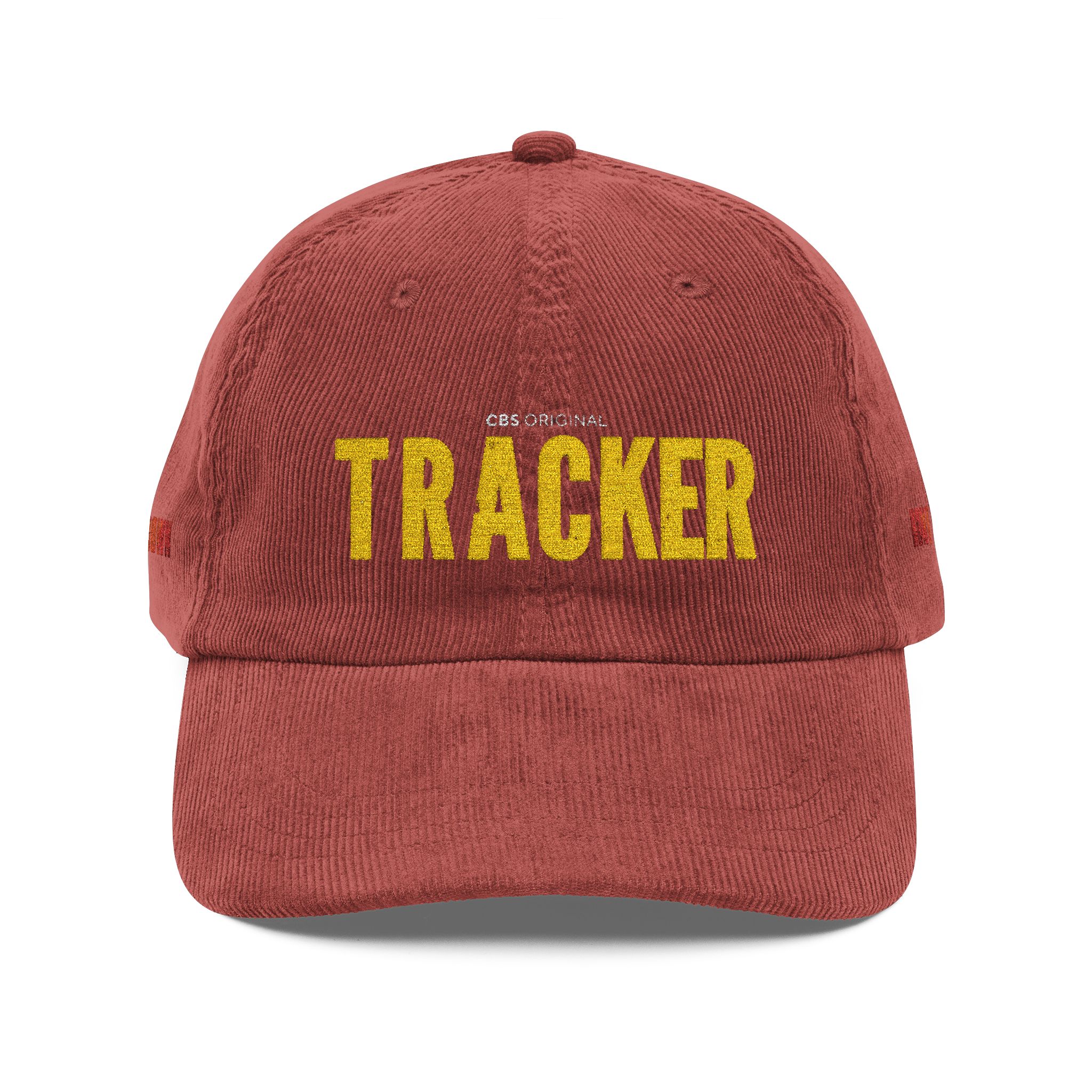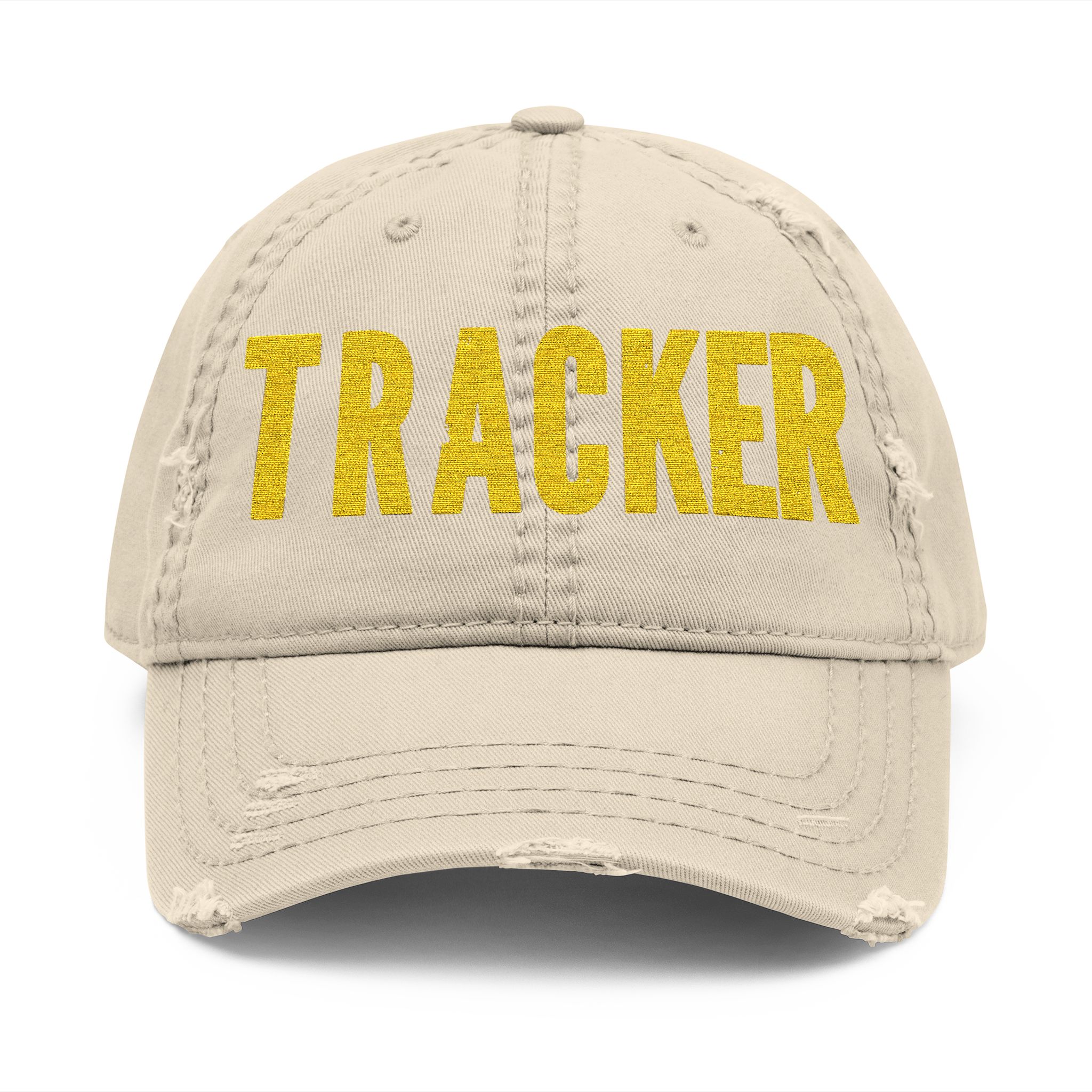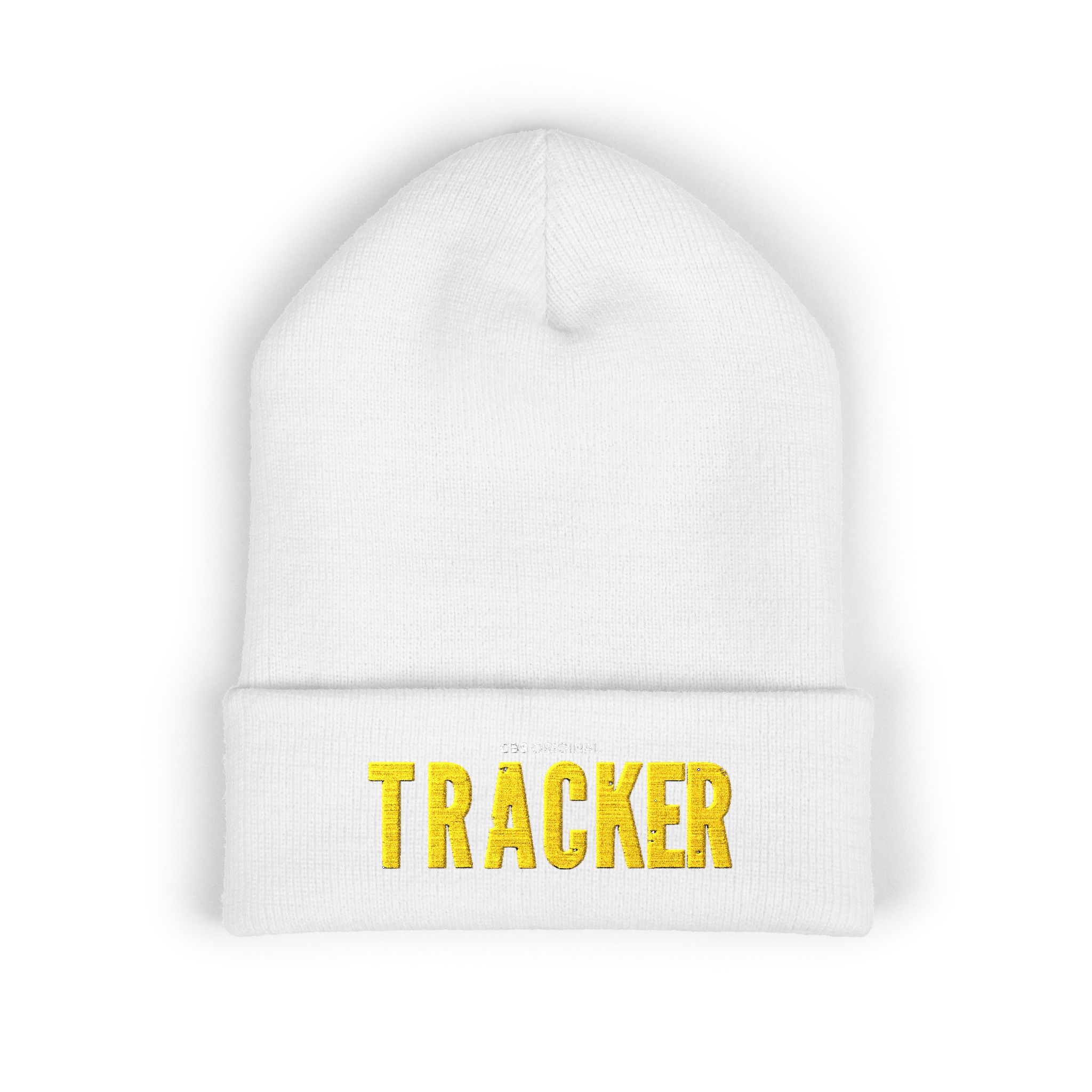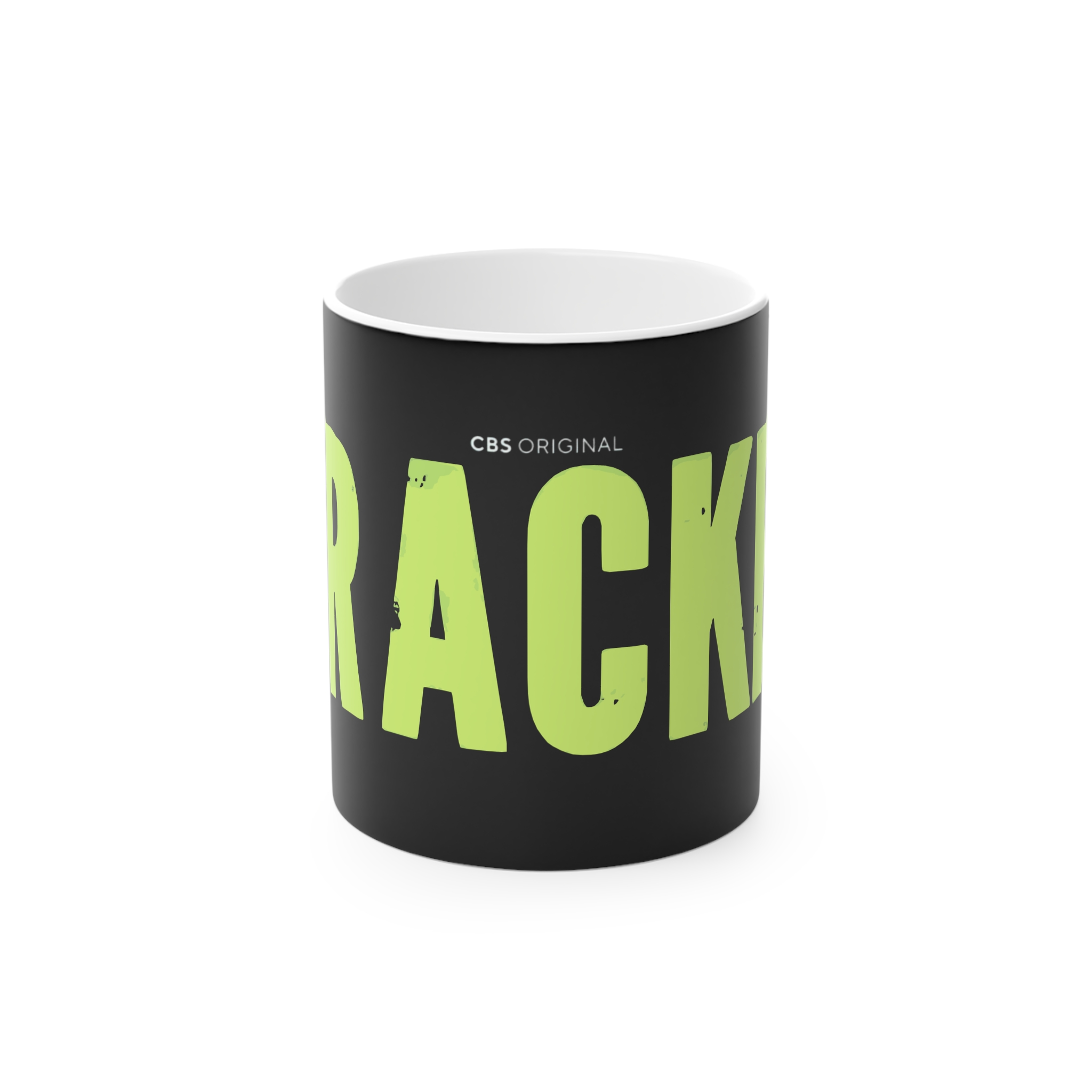

13513287407640600681_2048-1

The Vending Lot Tracker Universe Ahead of the Season 3 Finale as the Hit CBS Series Continues Its Rise Into One of Television’s Biggest Modern Franchises

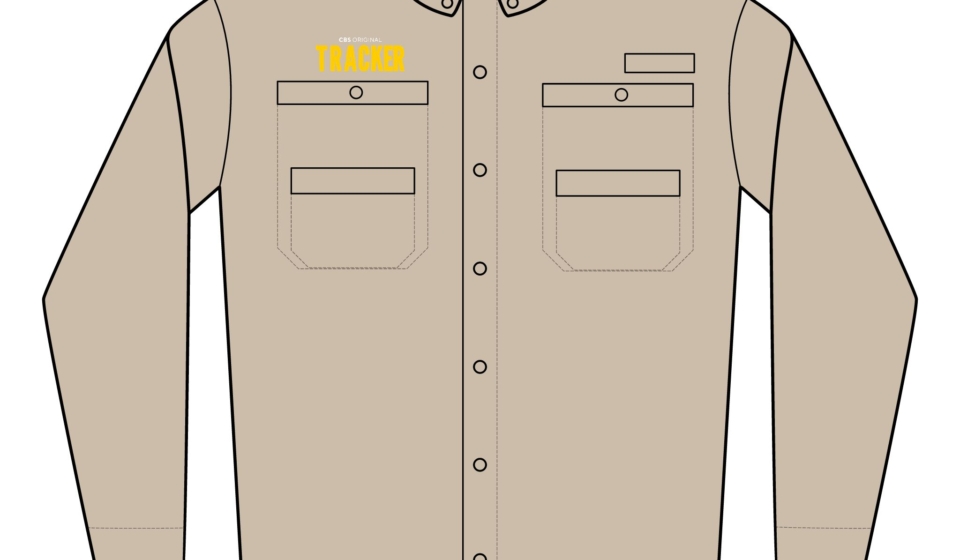
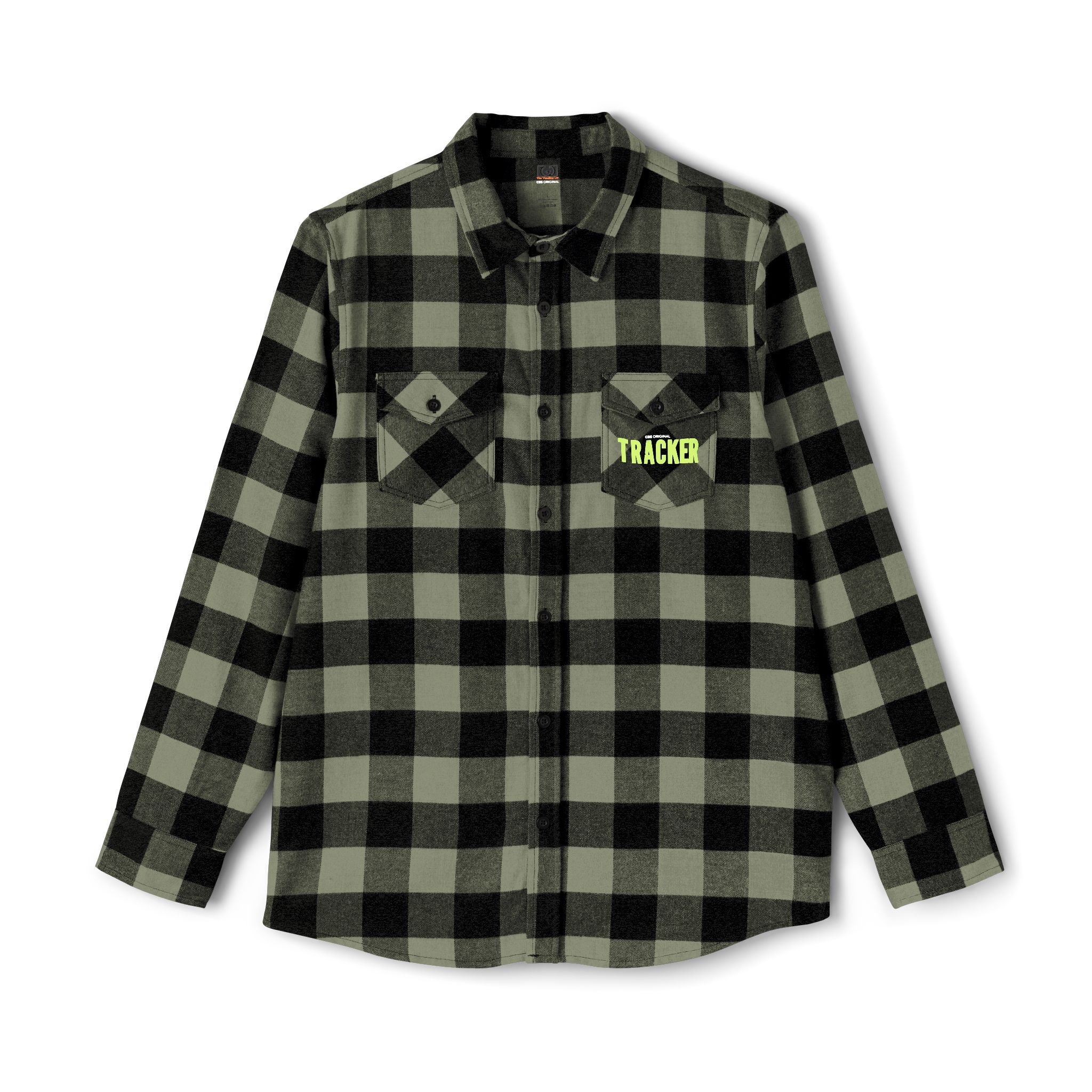
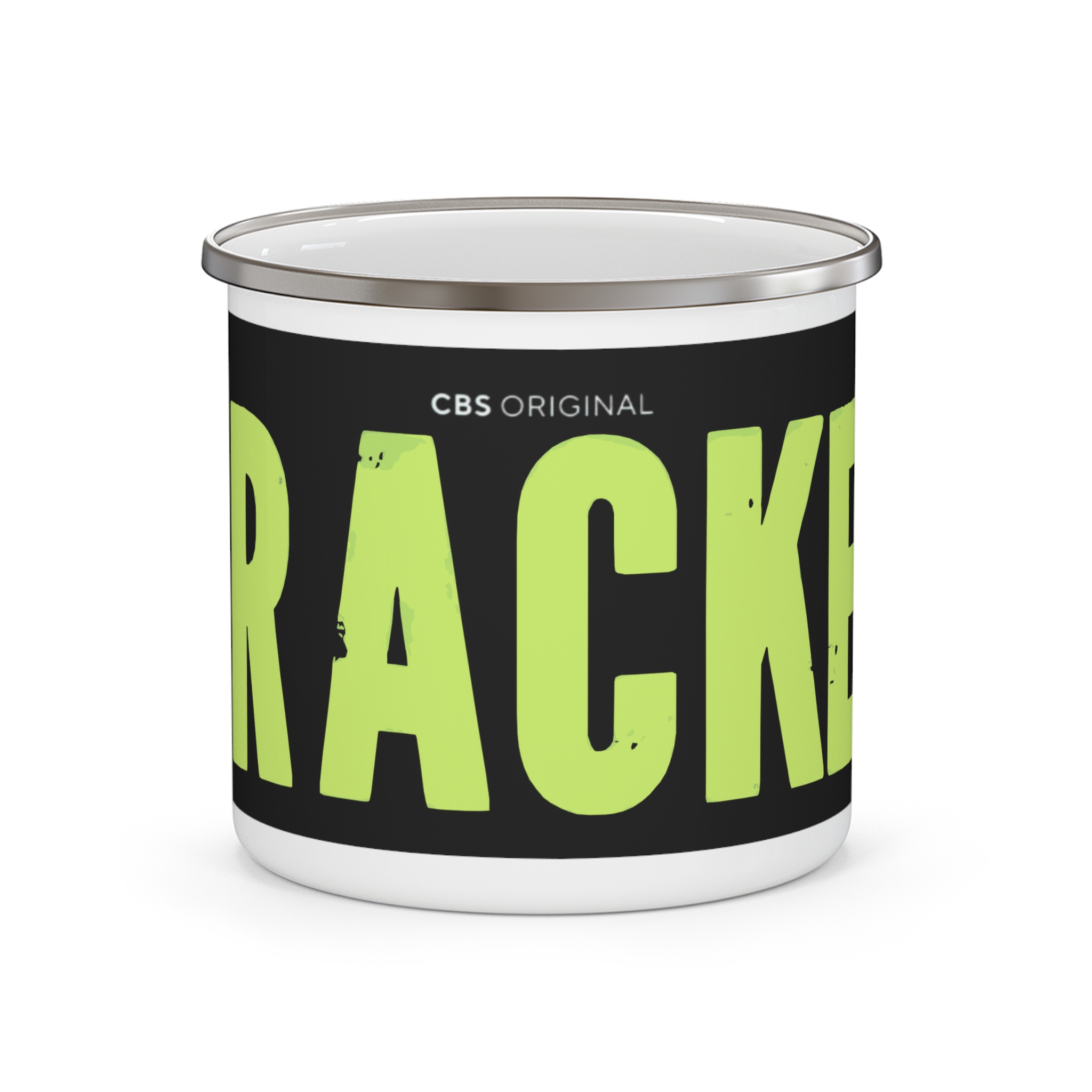
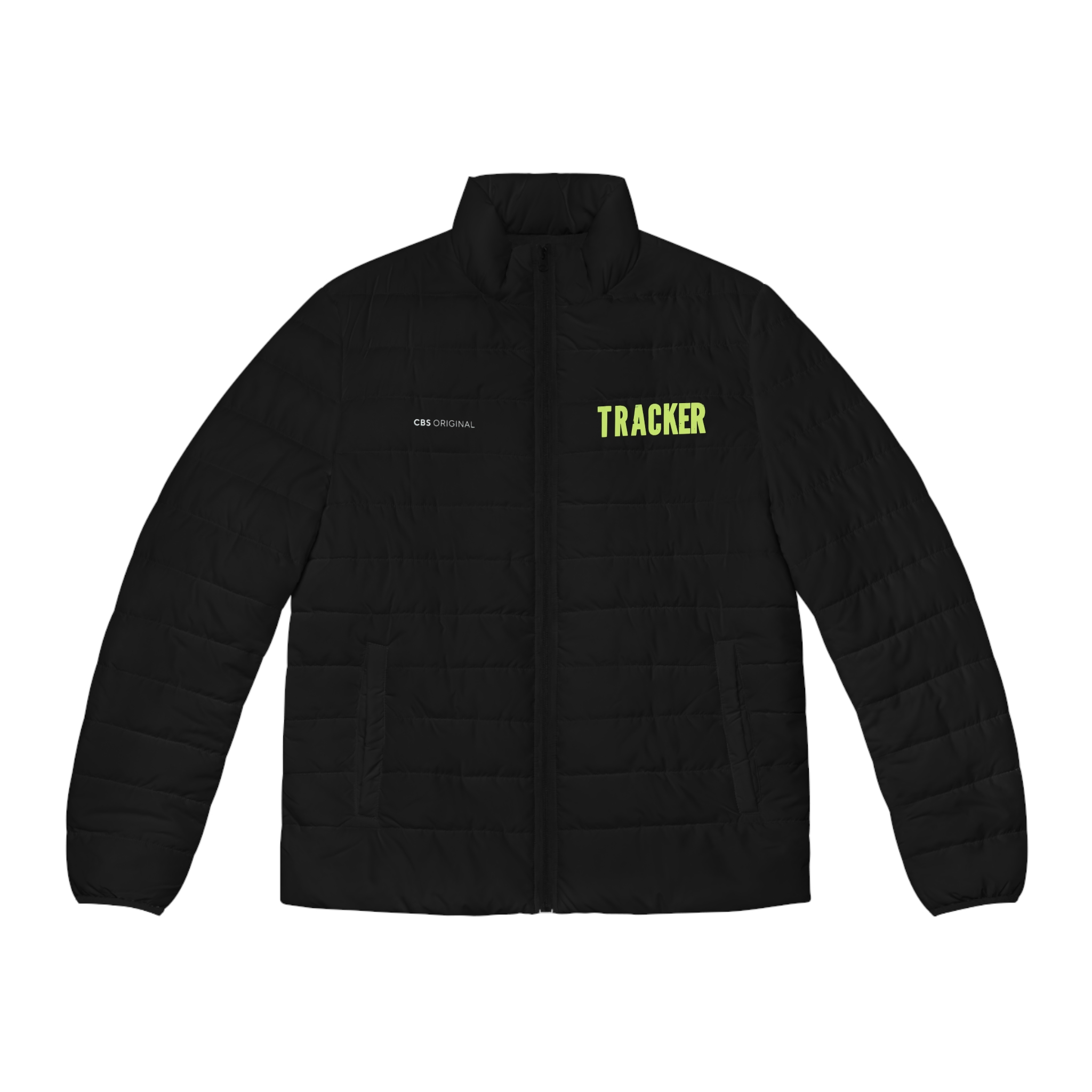
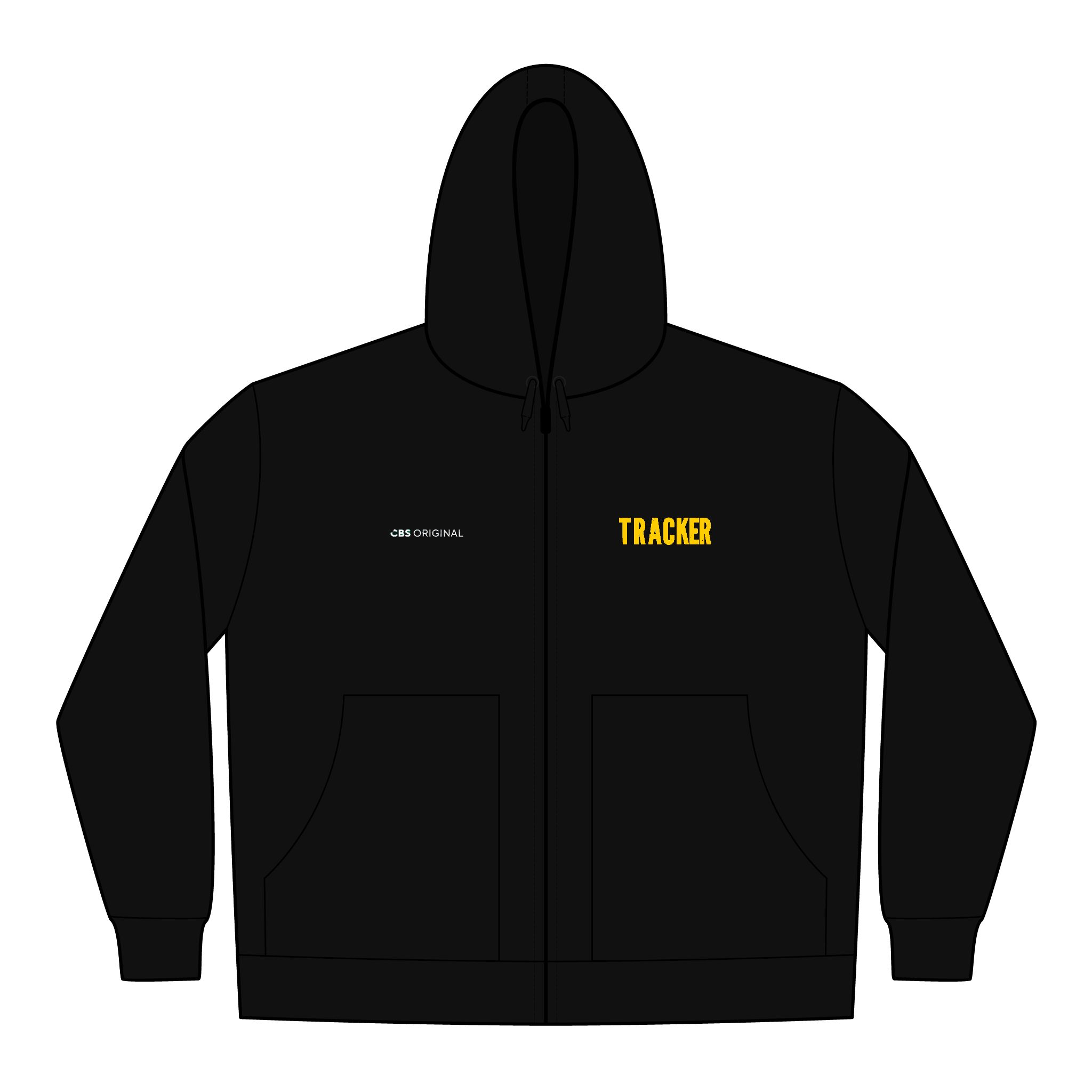
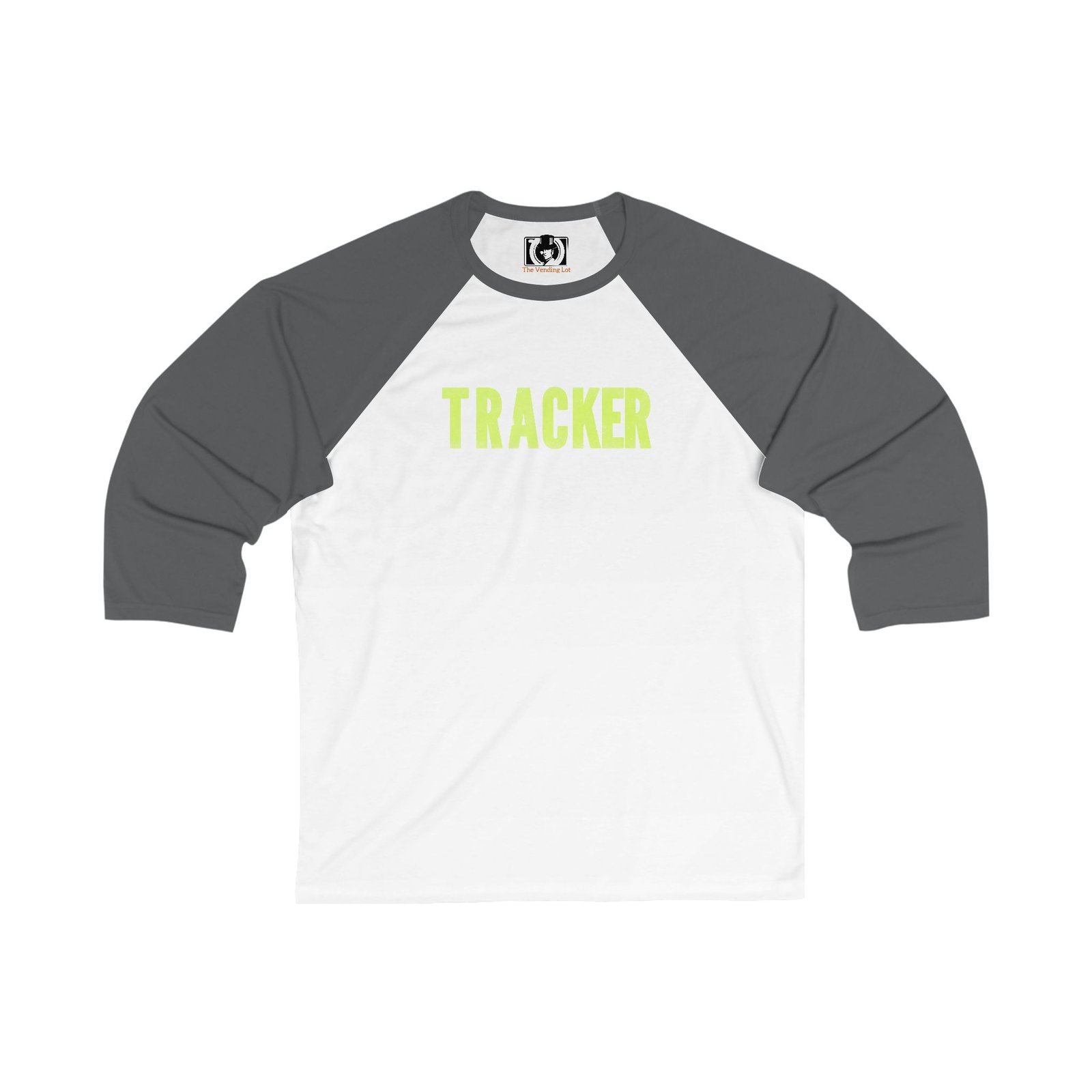
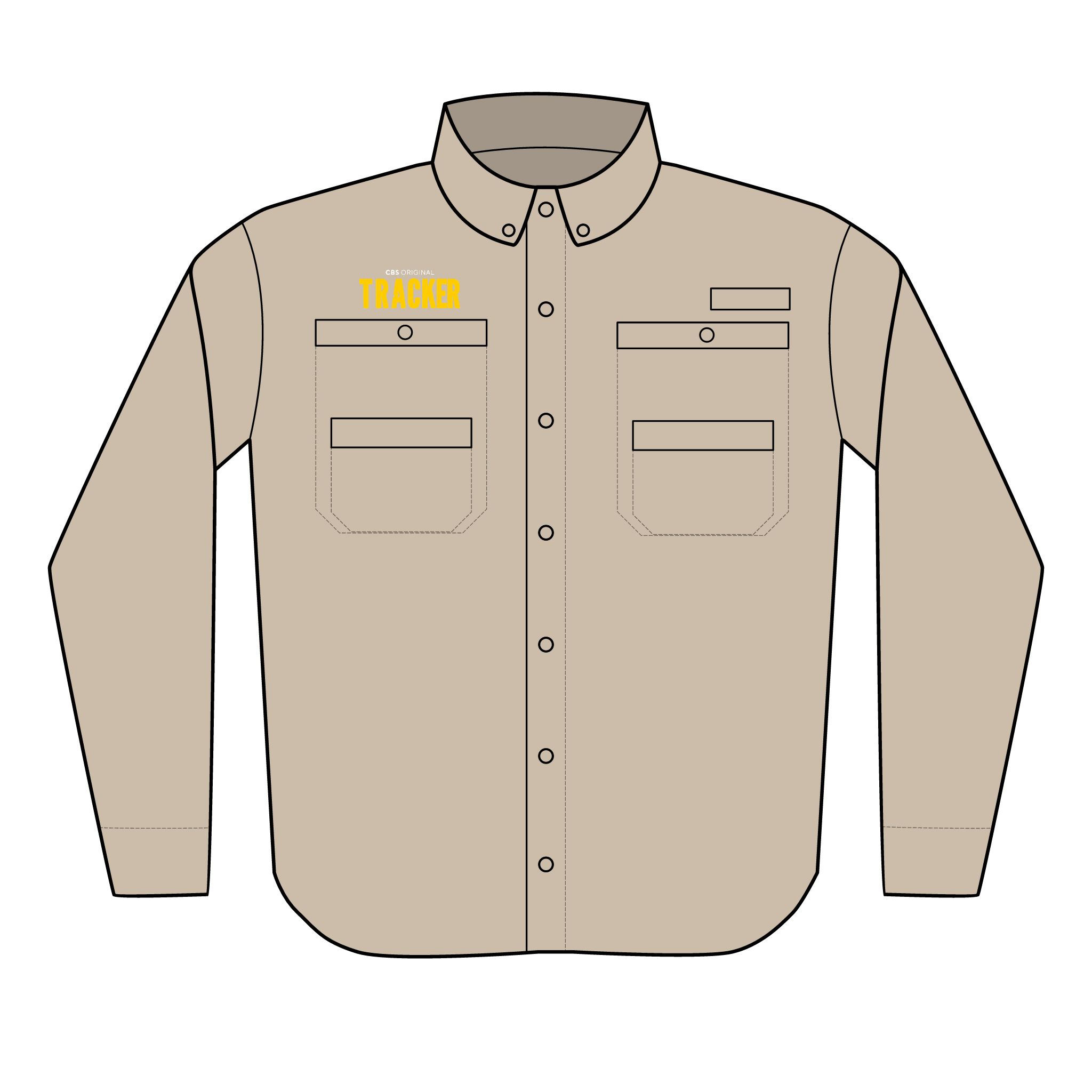
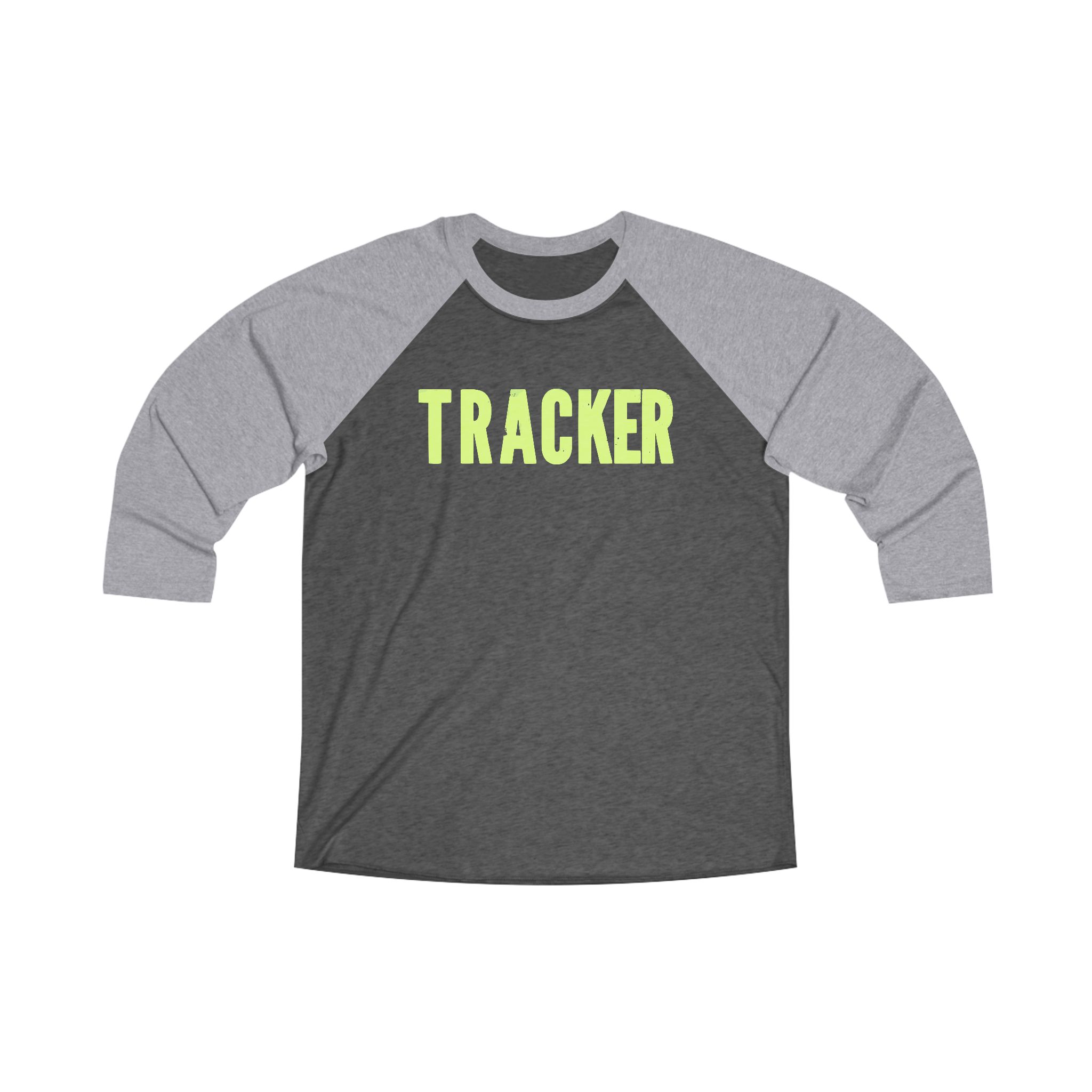
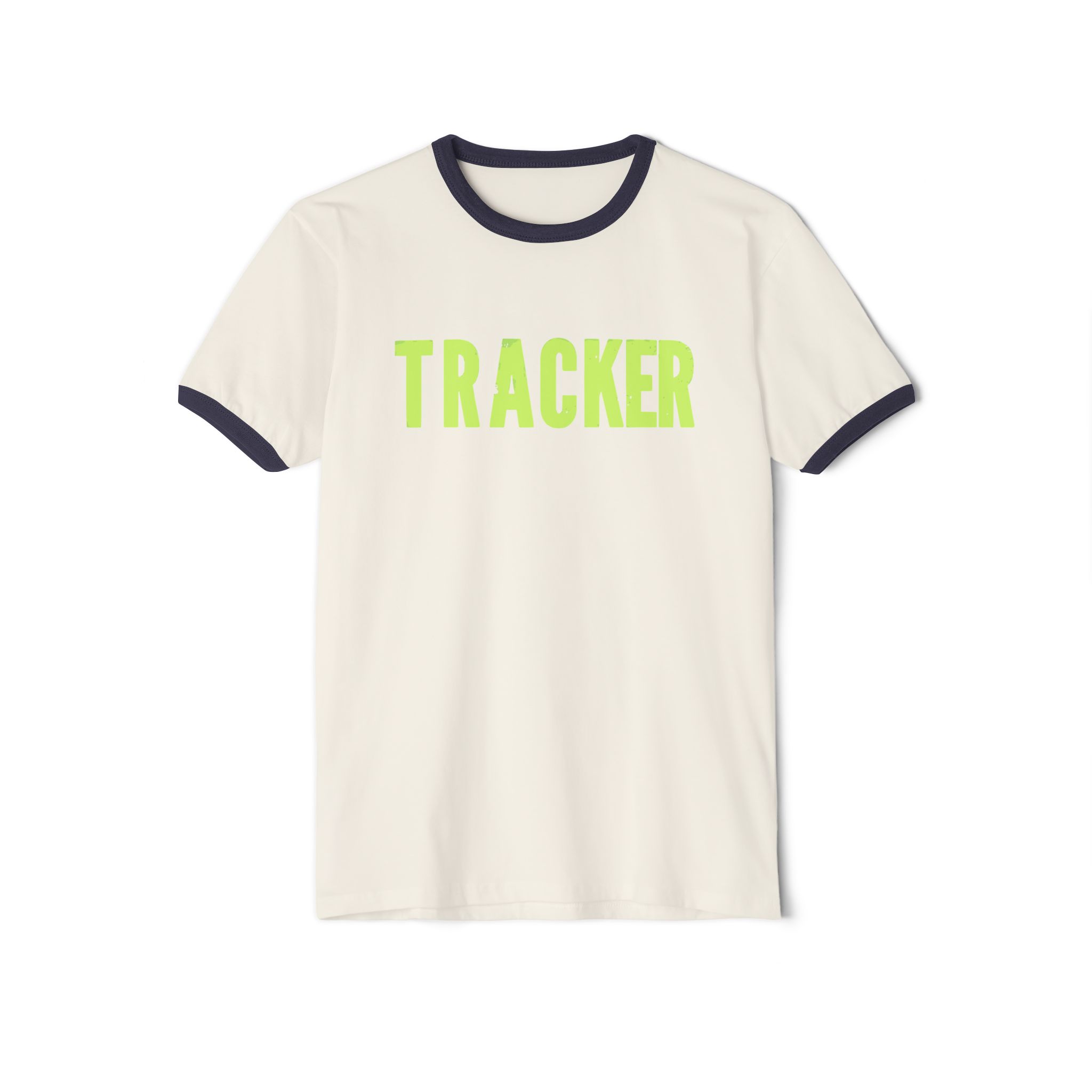
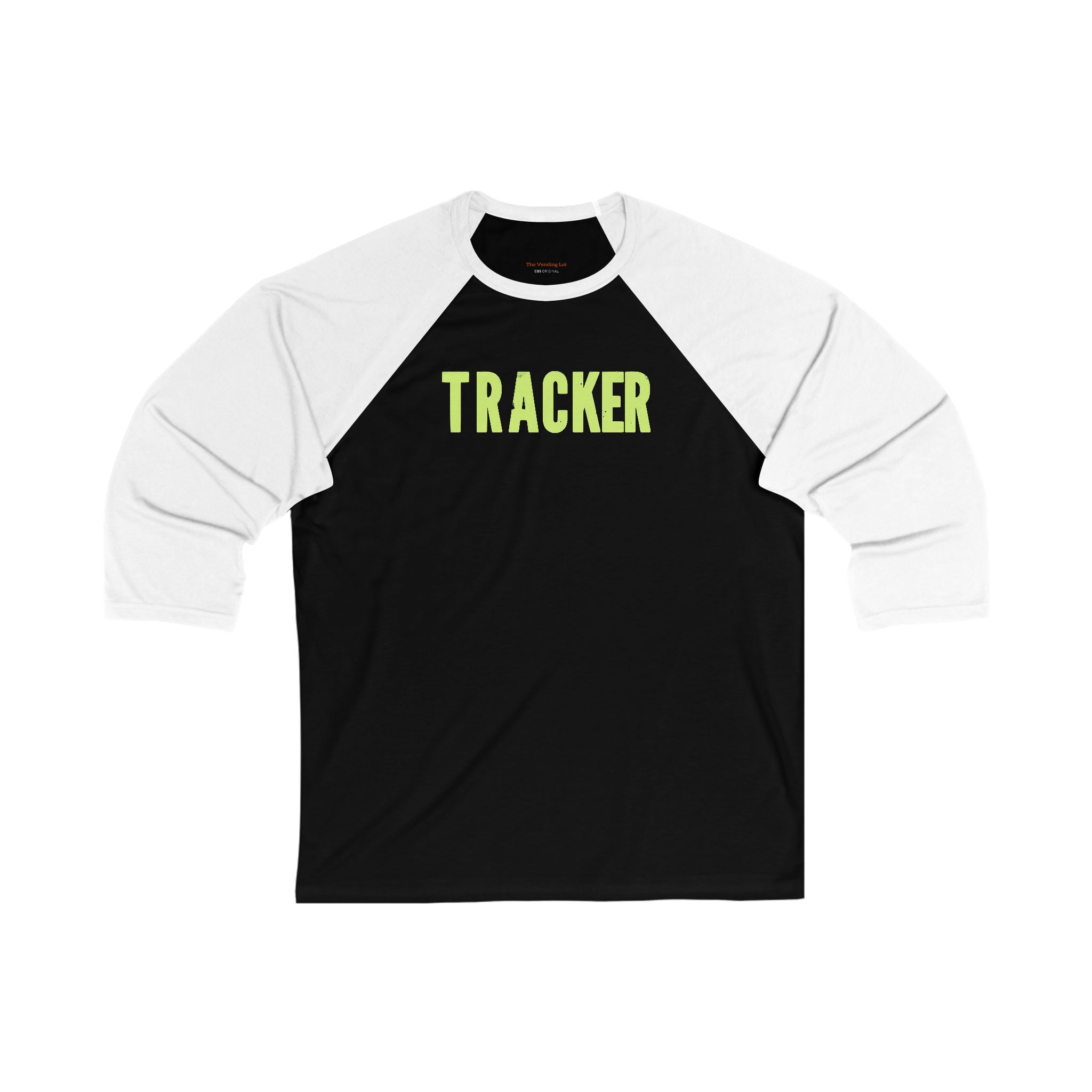
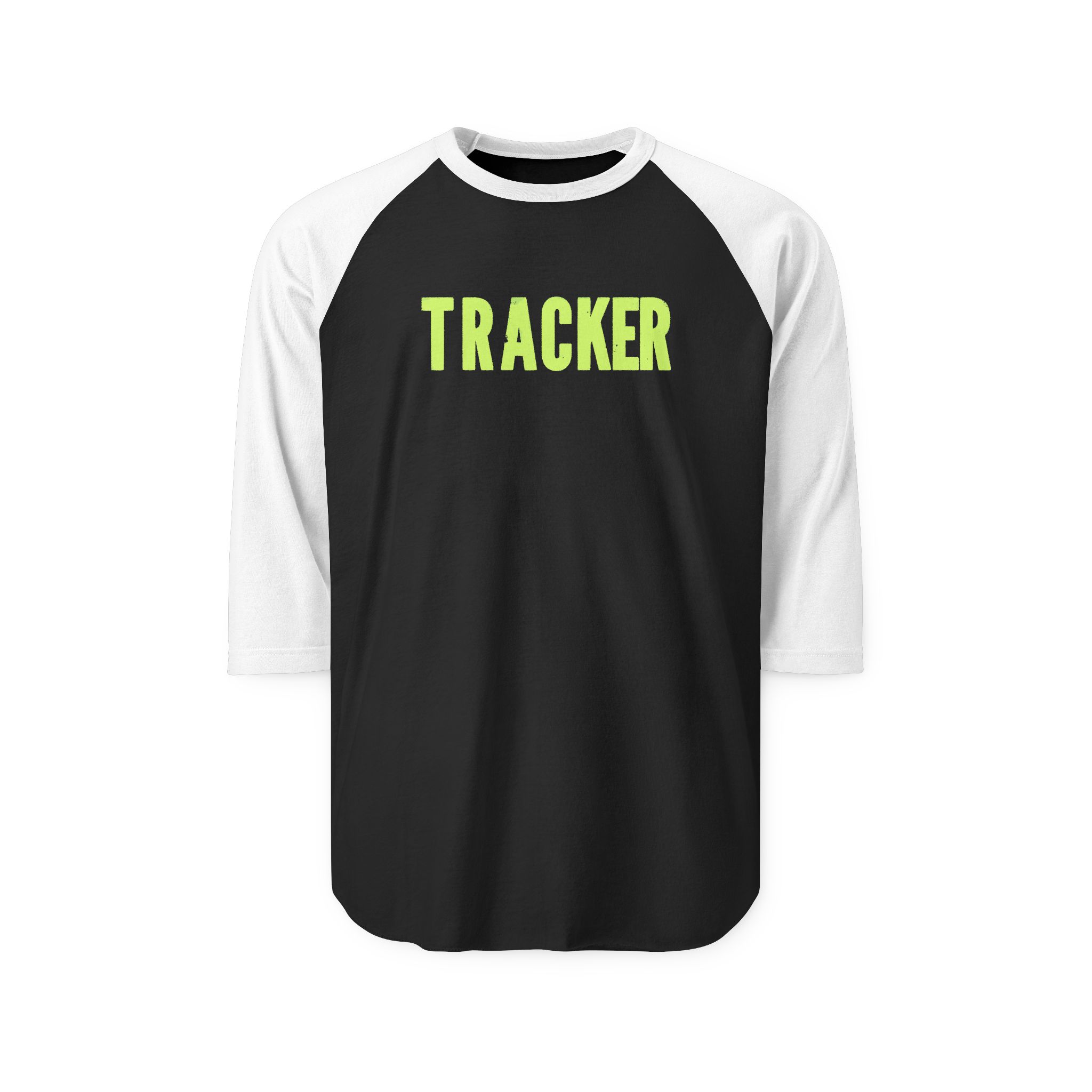
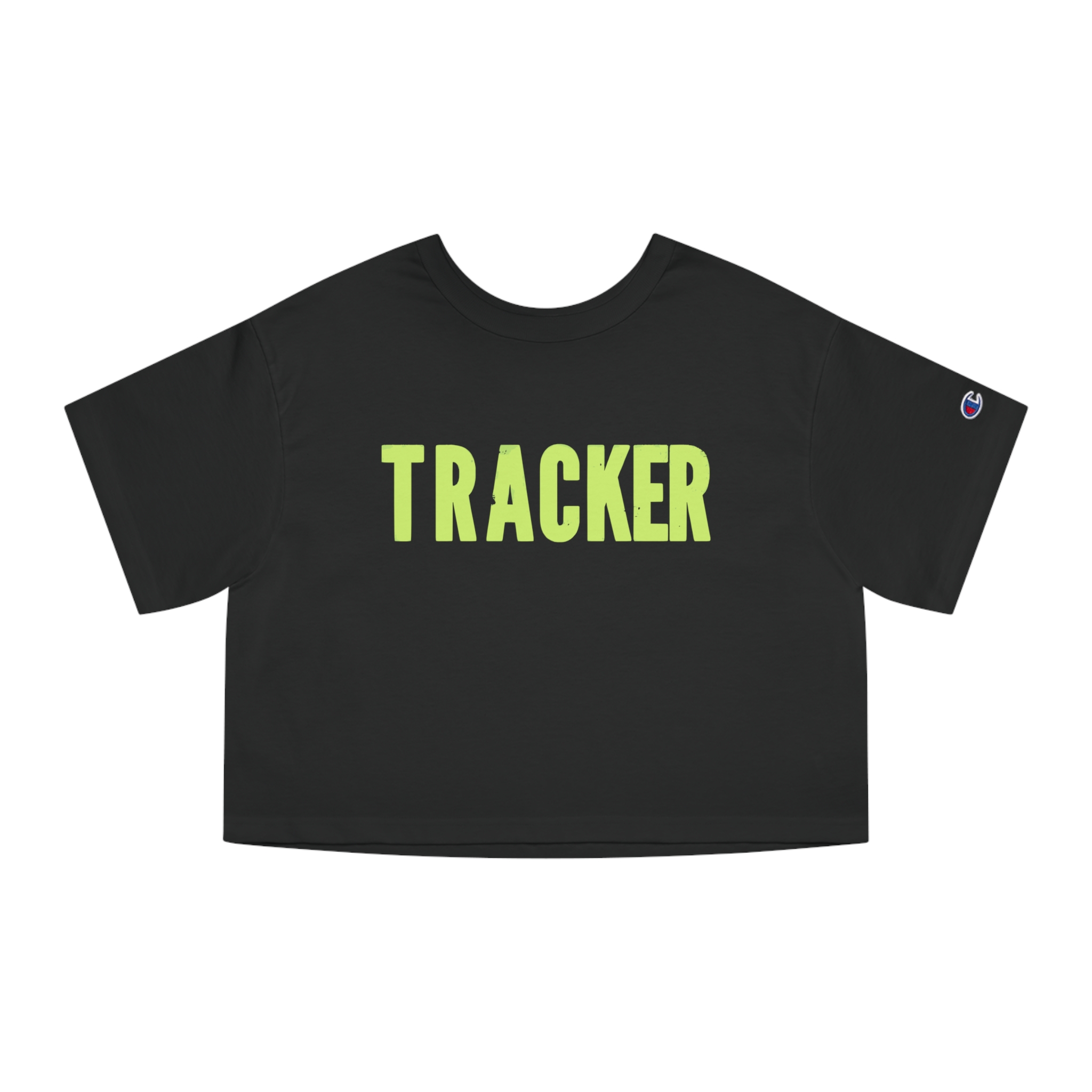
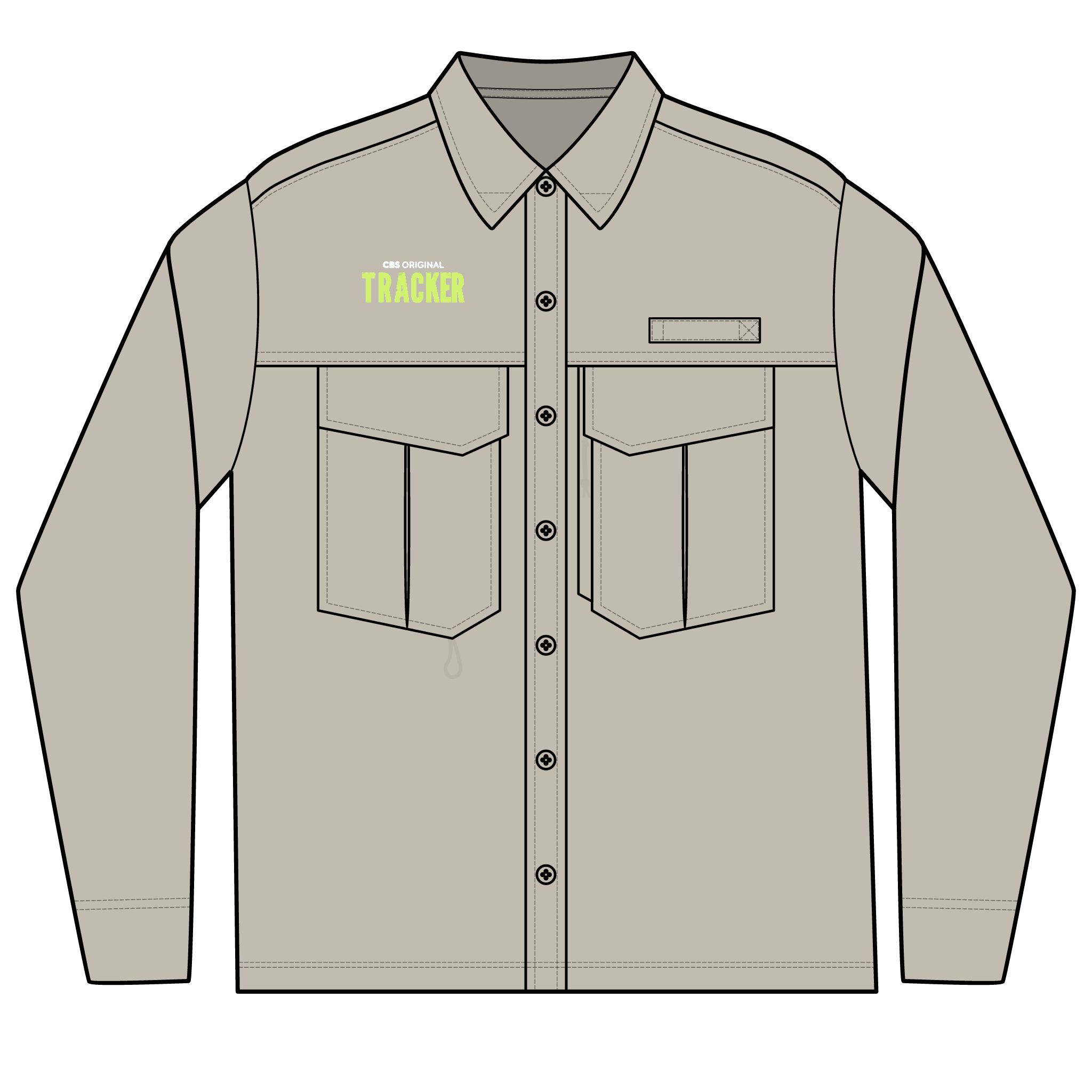
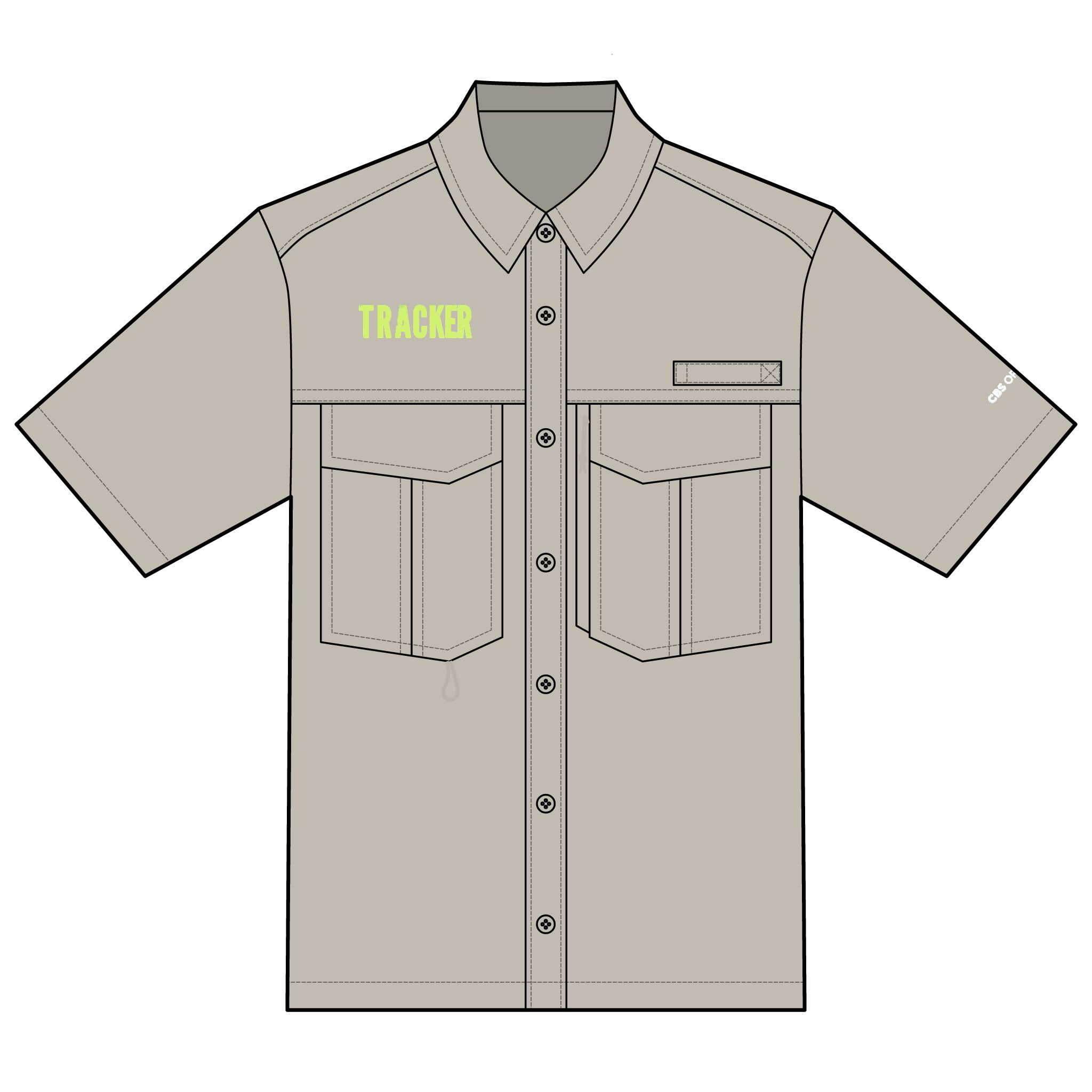
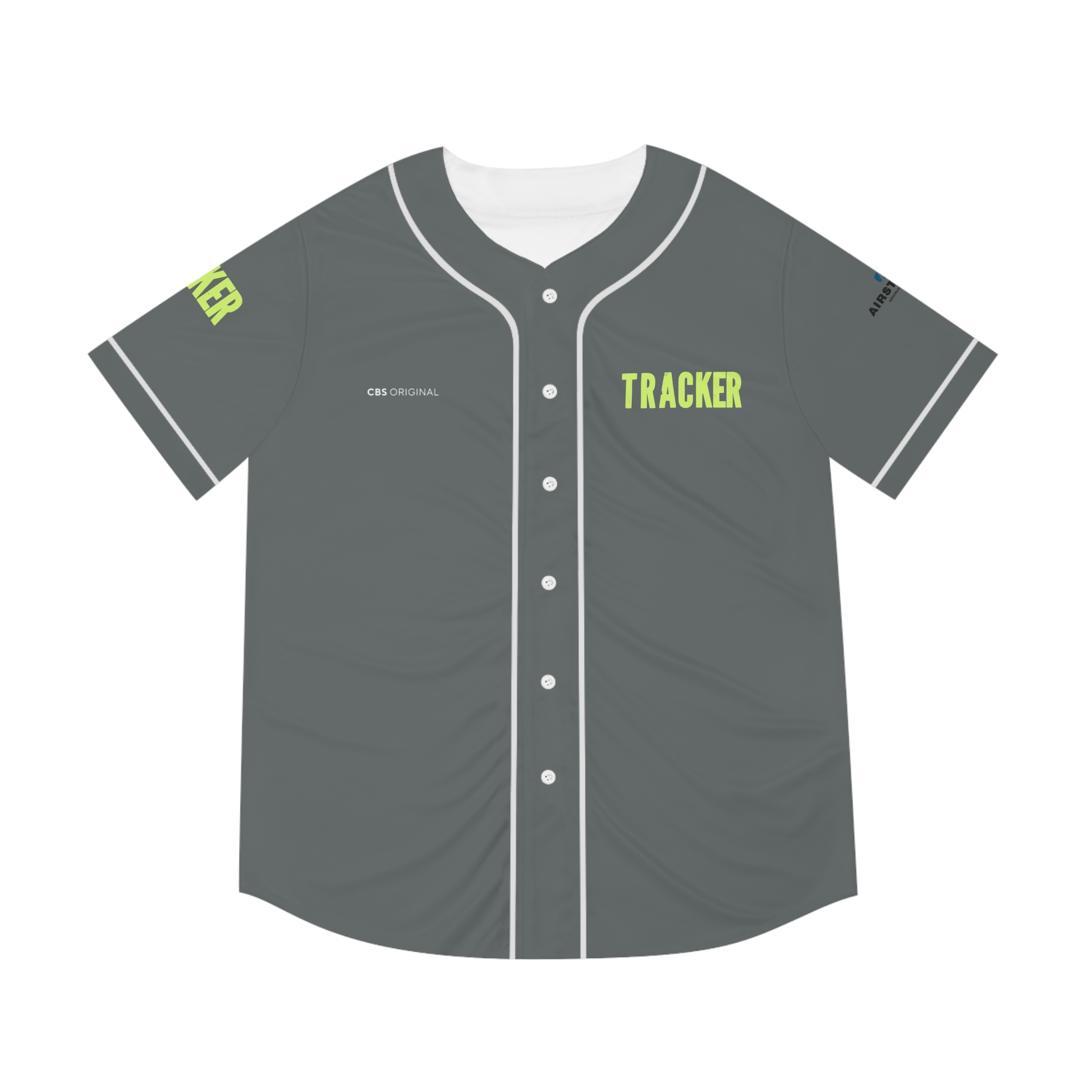
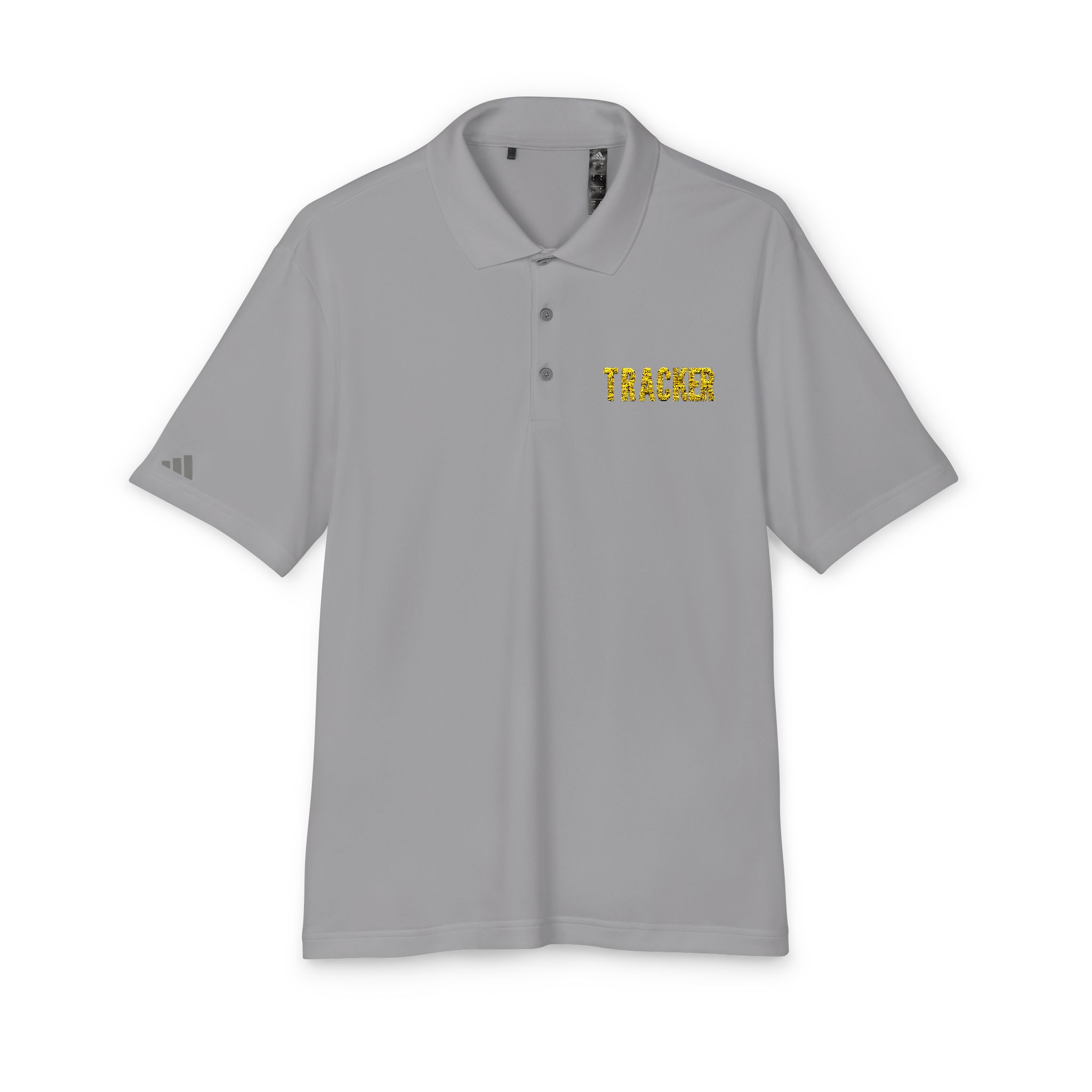
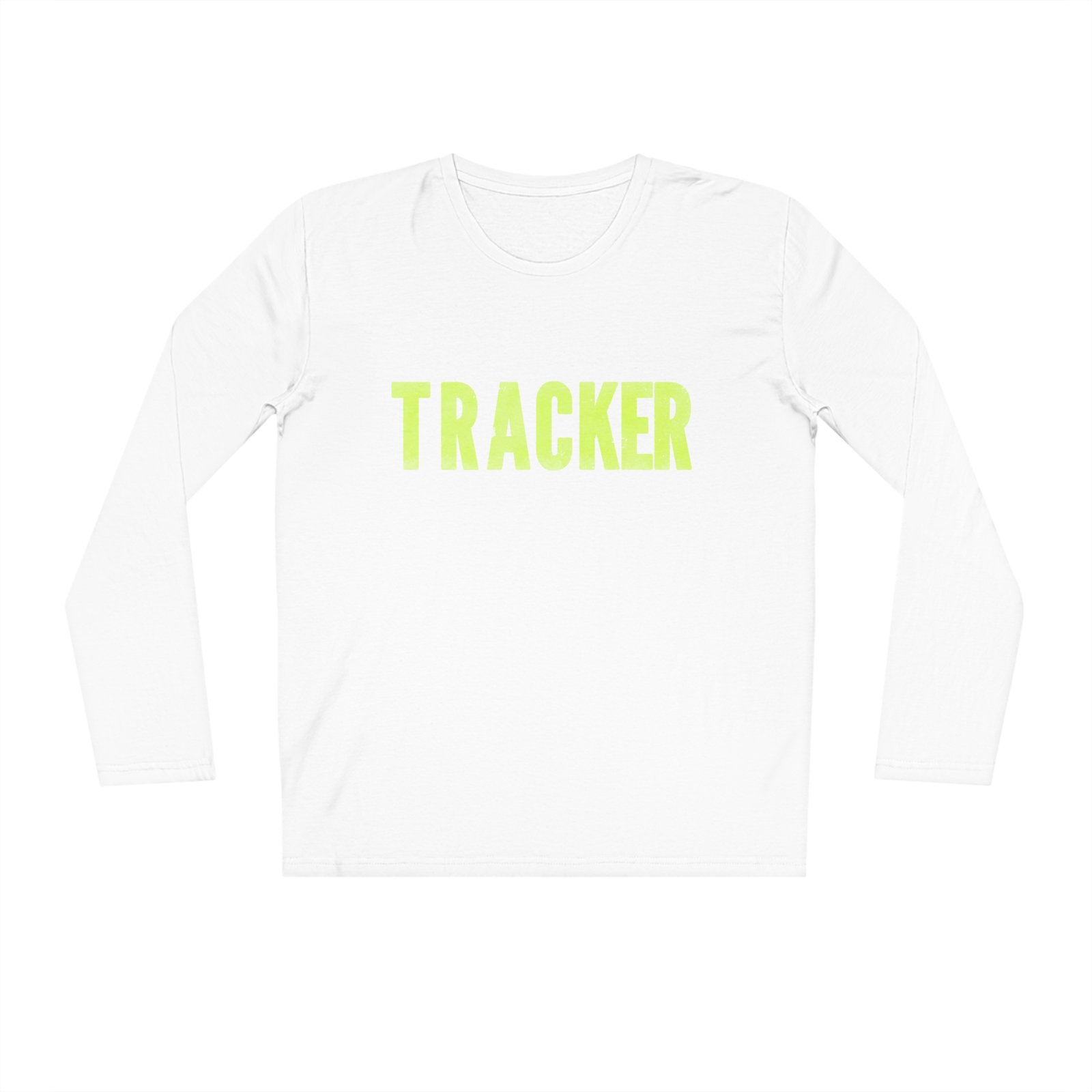
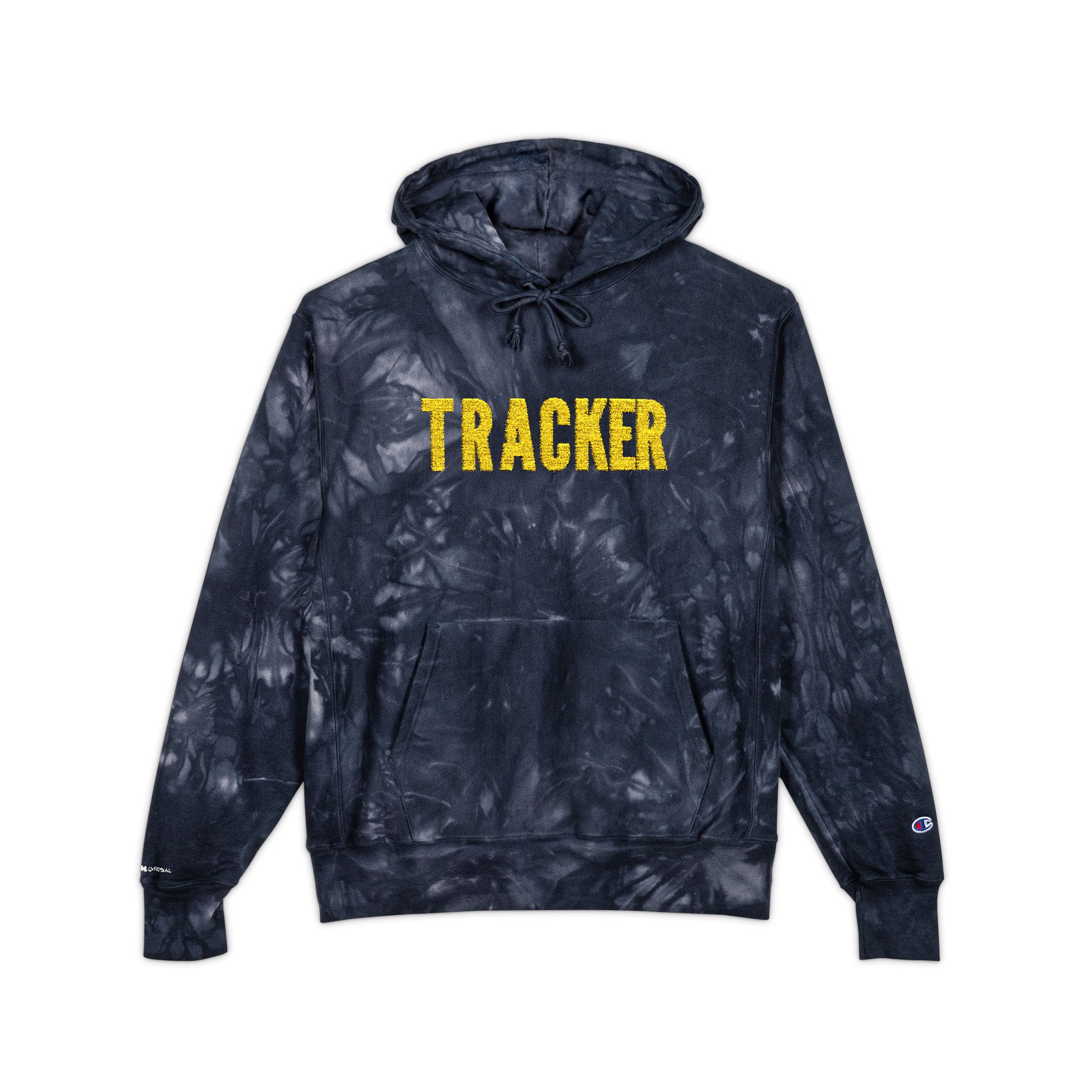
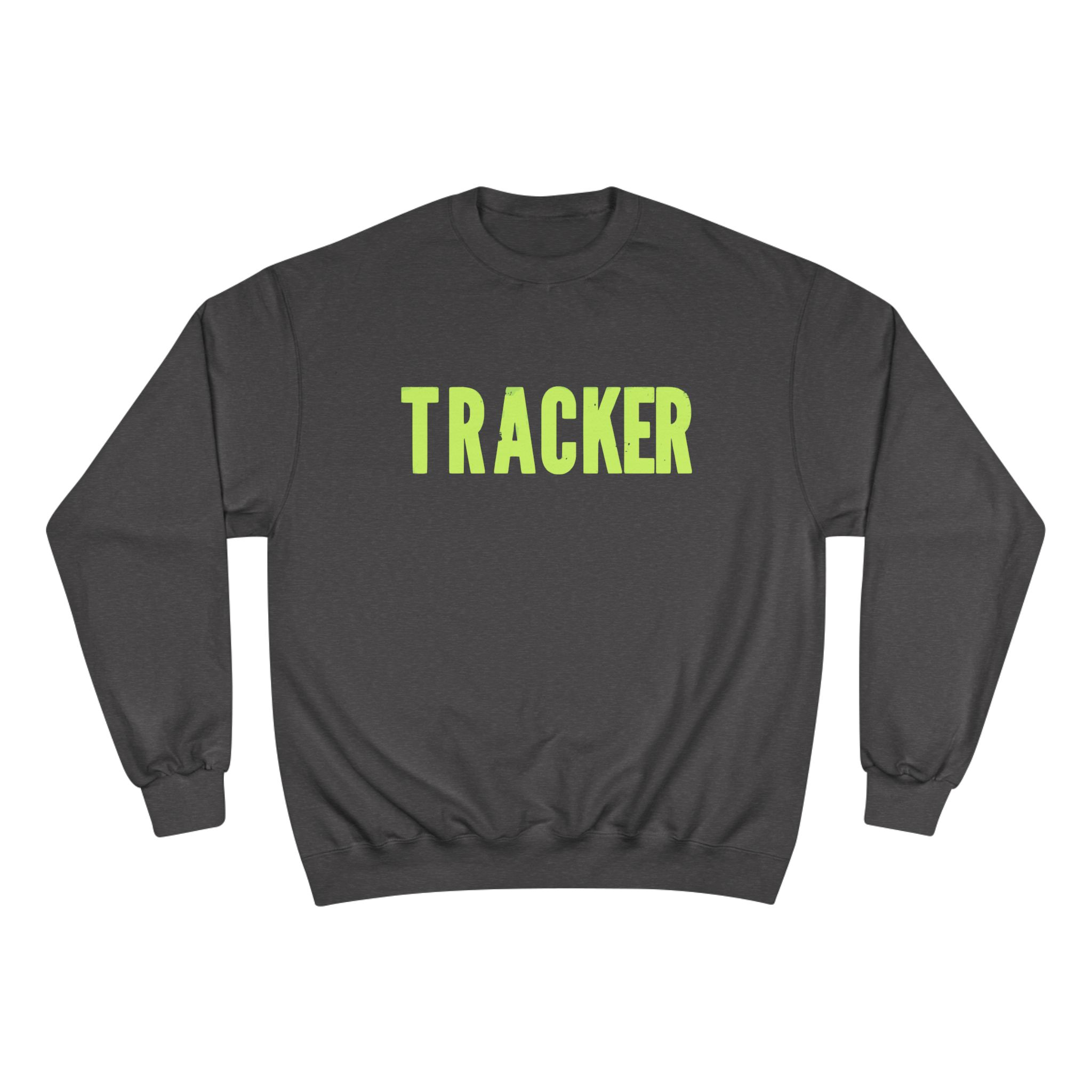
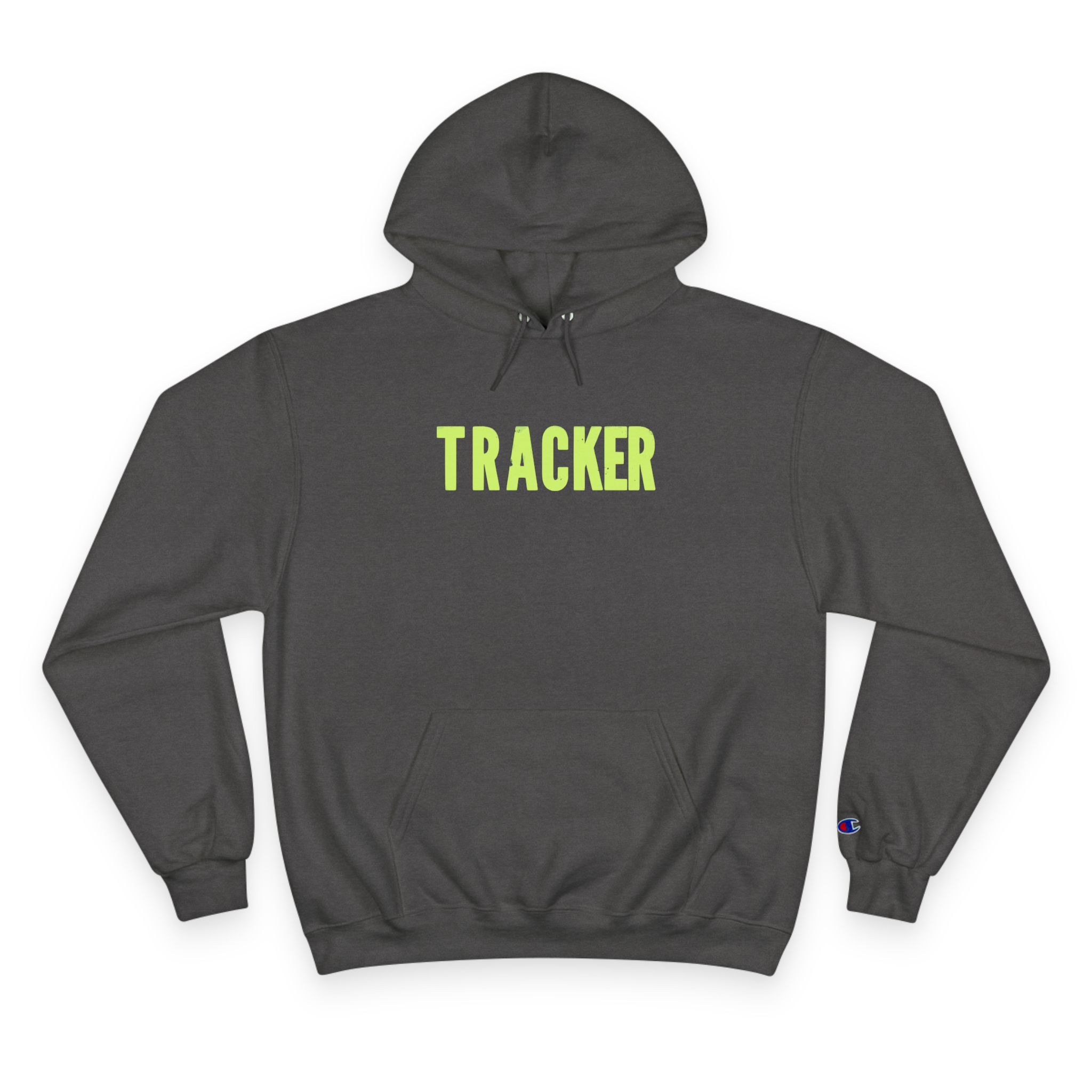
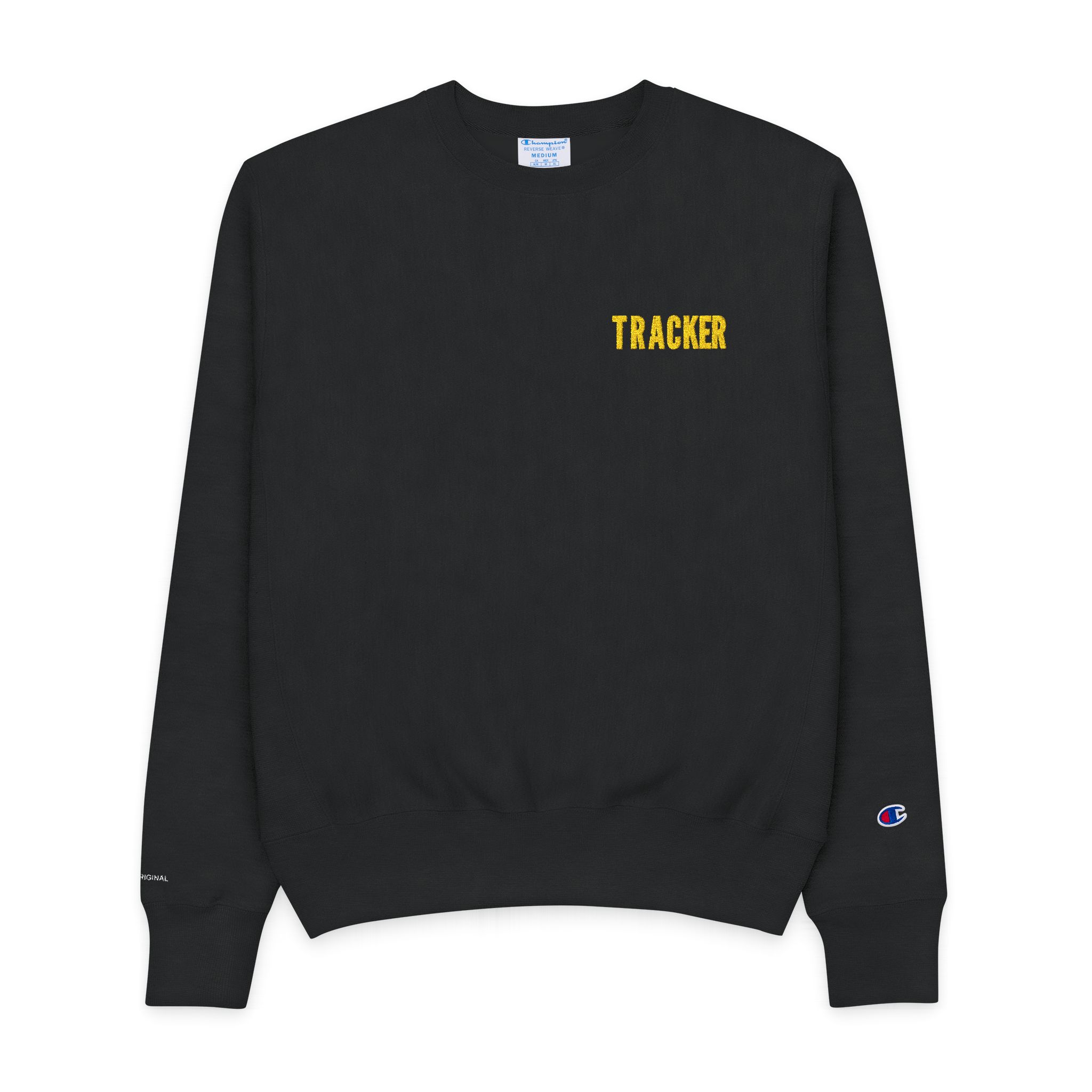
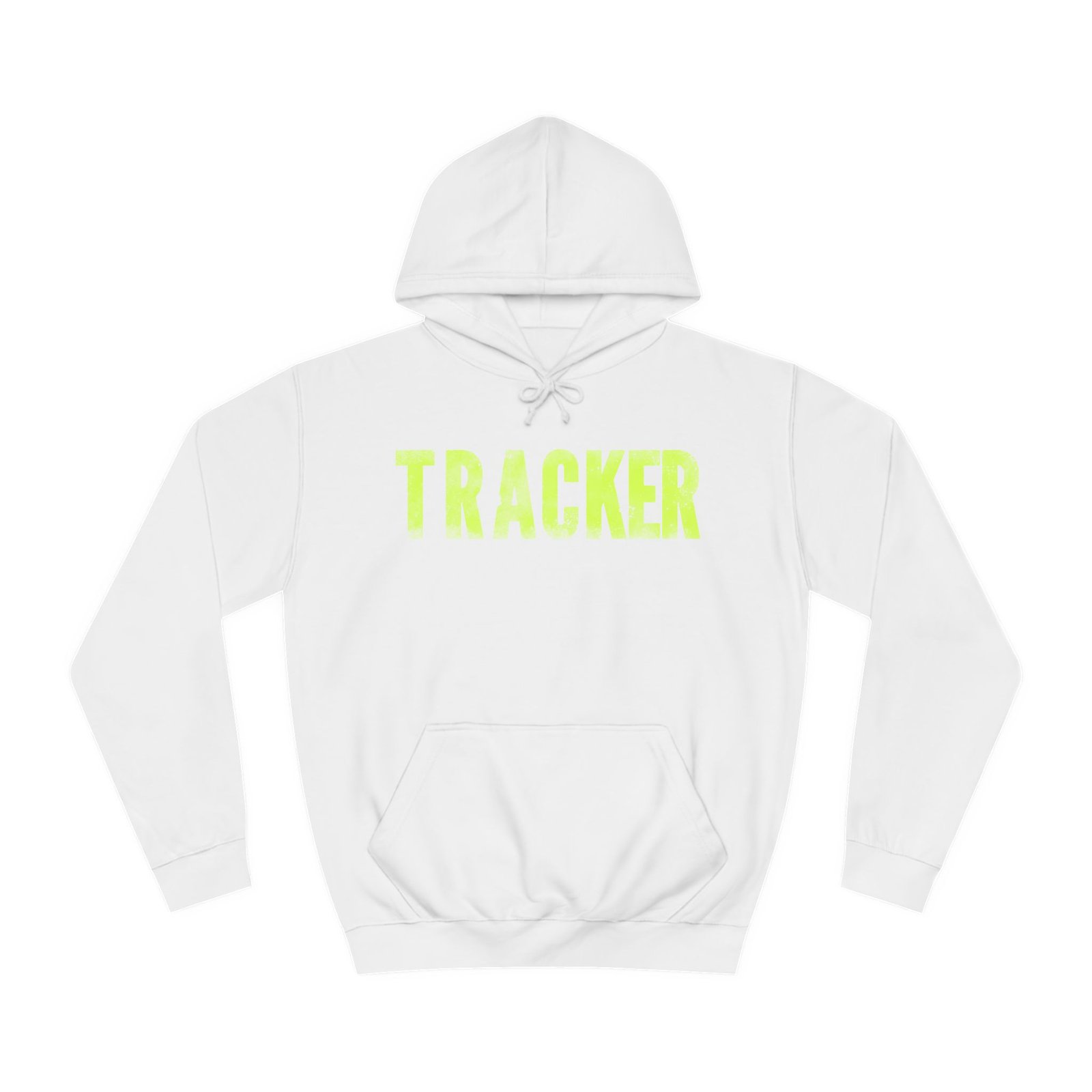
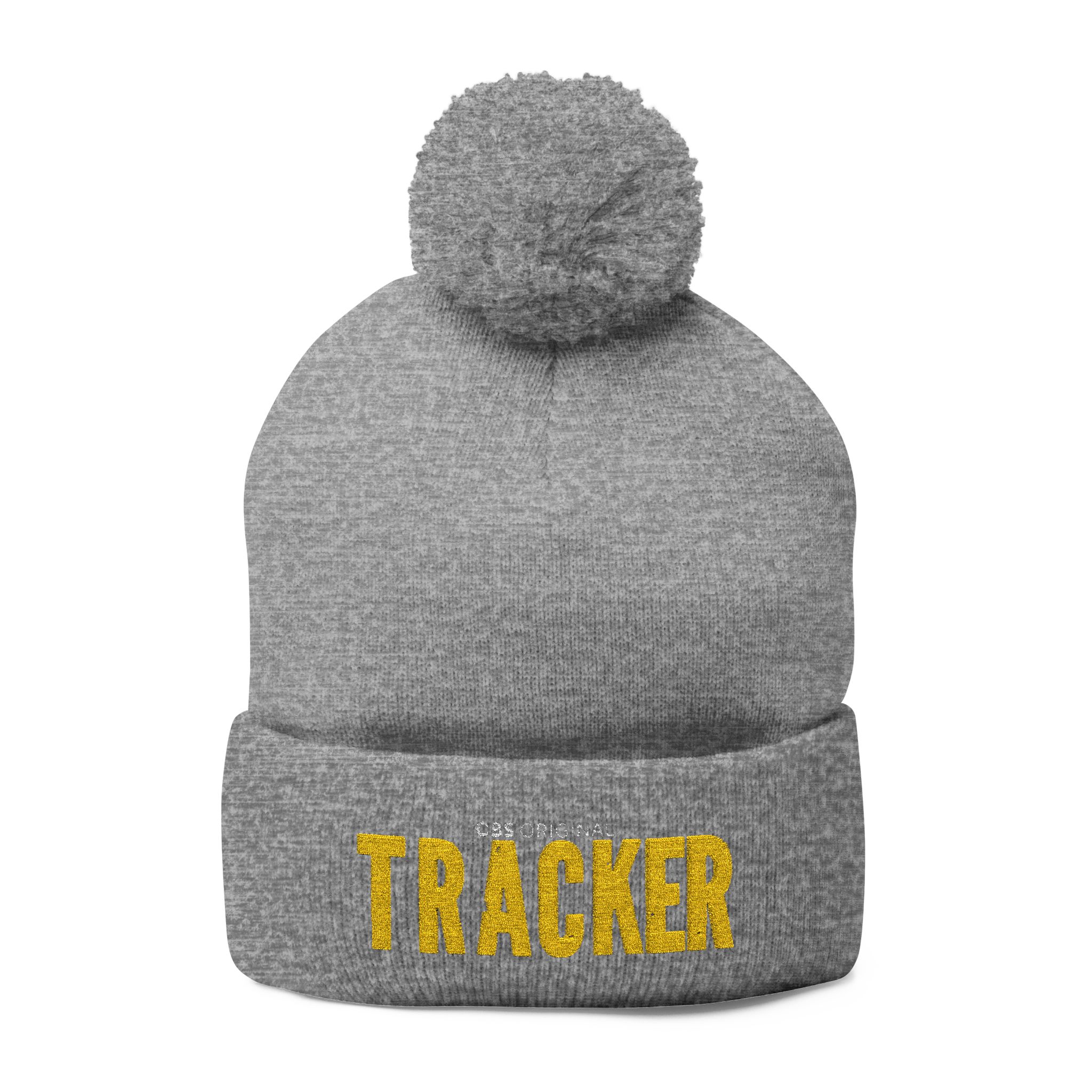
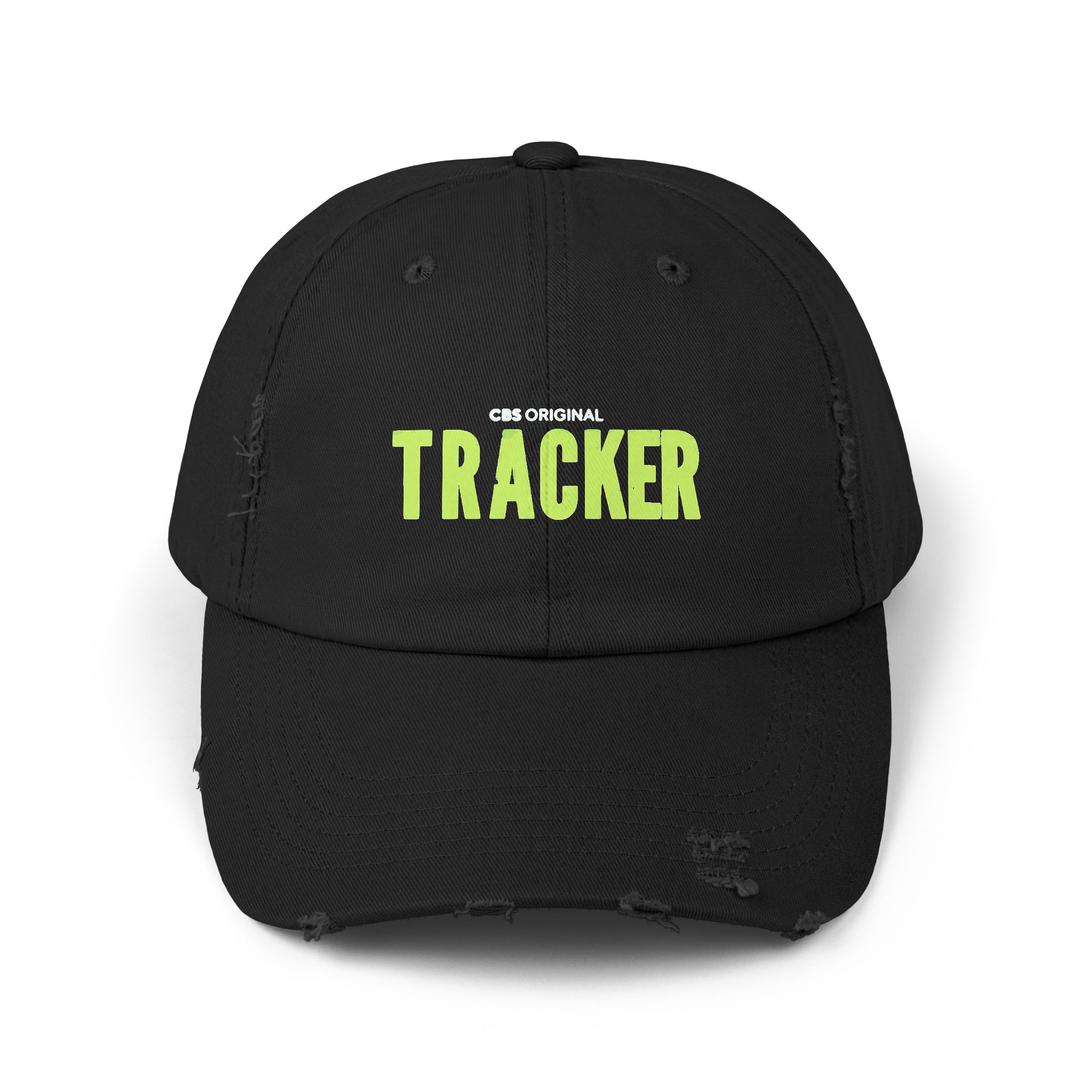
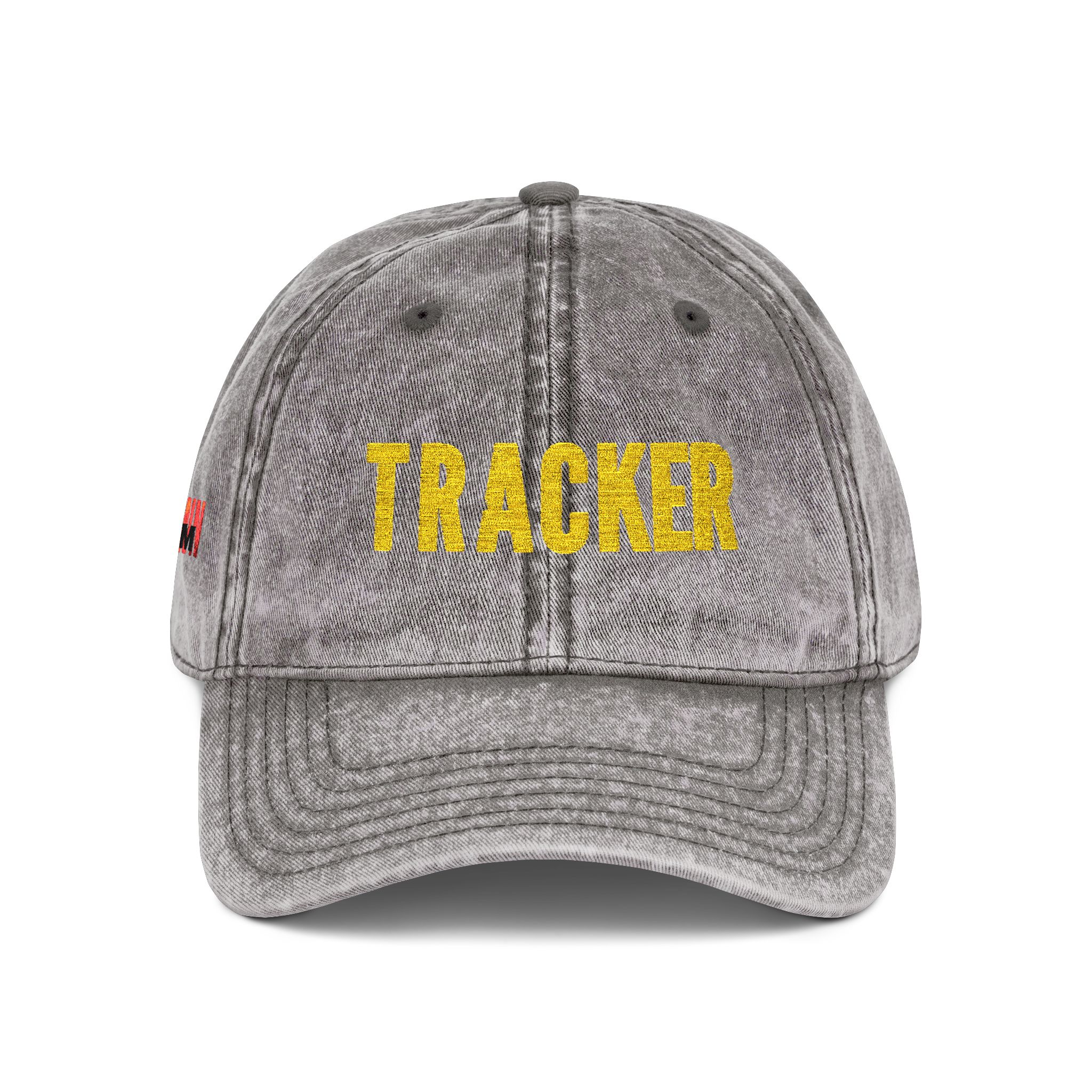
Few modern television dramas have captured mainstream audiences with the consistency, momentum, and broad demographic appeal of Tracker. What began as a grounded survival-driven procedural built around rewardist Colter Shaw has rapidly transformed into one of the defining network television success stories of the decade. Week after week, the series has continued to dominate ratings conversations, strengthen its fan community, and establish itself as a major force across both traditional broadcast audiences and streaming viewers looking for intelligent, character-centered action storytelling. Now, as anticipation builds toward the highly anticipated Season 3 finale airing Sunday, May 24, 2026, at 9:00 PM Eastern on CBS, The Vending Lot is leaning directly into the explosive growth of the franchise with an expanding line of Tracker-inspired merchandise designed specifically for passionate fans who want to bring the series beyond the screen and into their everyday lives.

The timing could not be more perfect. Last night’s broadcast of “Chrono Stasis,” the twenty-first and penultimate episode of the season, intensified fan excitement while continuing to push the series deeper into serialized emotional territory. The episode also featured the return of Jensen Ackles, whose presence has added another layer of intensity and audience engagement to an already highly successful season. With the official season-ending episode titled “The Best Ones” now positioned as one of the most anticipated finales currently airing on network television, excitement surrounding Tracker has reached another level entirely. CBS has already renewed the series for a fourth season, solidifying what many industry observers already suspected: Tracker is no longer simply a successful procedural drama. It has become a full-scale television franchise with long-term cultural staying power.
That growth in popularity is exactly where The Vending Lot has identified a major opportunity. Rather than treating television merchandise as disposable promotional material, the platform continues developing premium entertainment-inspired products that align with the increasingly sophisticated expectations of modern television audiences. Fans today are not looking for generic logo products with minimal design effort. They want collectible items that feel connected to the tone, atmosphere, and identity of the series they love. The Vending Lot’s evolving Tracker collection reflects that shift perfectly by focusing on products that merge fandom with elevated visual presentation and lifestyle-driven merchandising.
The Tracker category inside The Vending Lot’s TV Studio Store continues to expand as the show’s audience grows larger and more engaged. This reflects a broader transformation occurring across entertainment retail, where hit television properties increasingly operate more like music brands, sports franchises, or cinematic universes than traditional weekly broadcast programming. Fans do not simply watch a show anymore. They immerse themselves in its world, analyze character arcs, discuss theories online, follow cast appearances, revisit episodes repeatedly on streaming platforms, and seek out merchandise that extends the experience beyond the final credits.

Tracker is uniquely positioned for that type of fandom because of its compelling blend of survivalist themes, emotional mystery storytelling, rugged adventure aesthetics, and psychologically driven procedural structure. The series offers viewers something that many modern network dramas struggle to achieve: accessibility combined with emotional investment. Colter Shaw’s character operates within self-contained investigations while simultaneously carrying larger emotional weight and evolving mythology across seasons. That combination has created a loyal audience deeply invested not only in the weekly cases but also in the broader emotional universe surrounding the series.
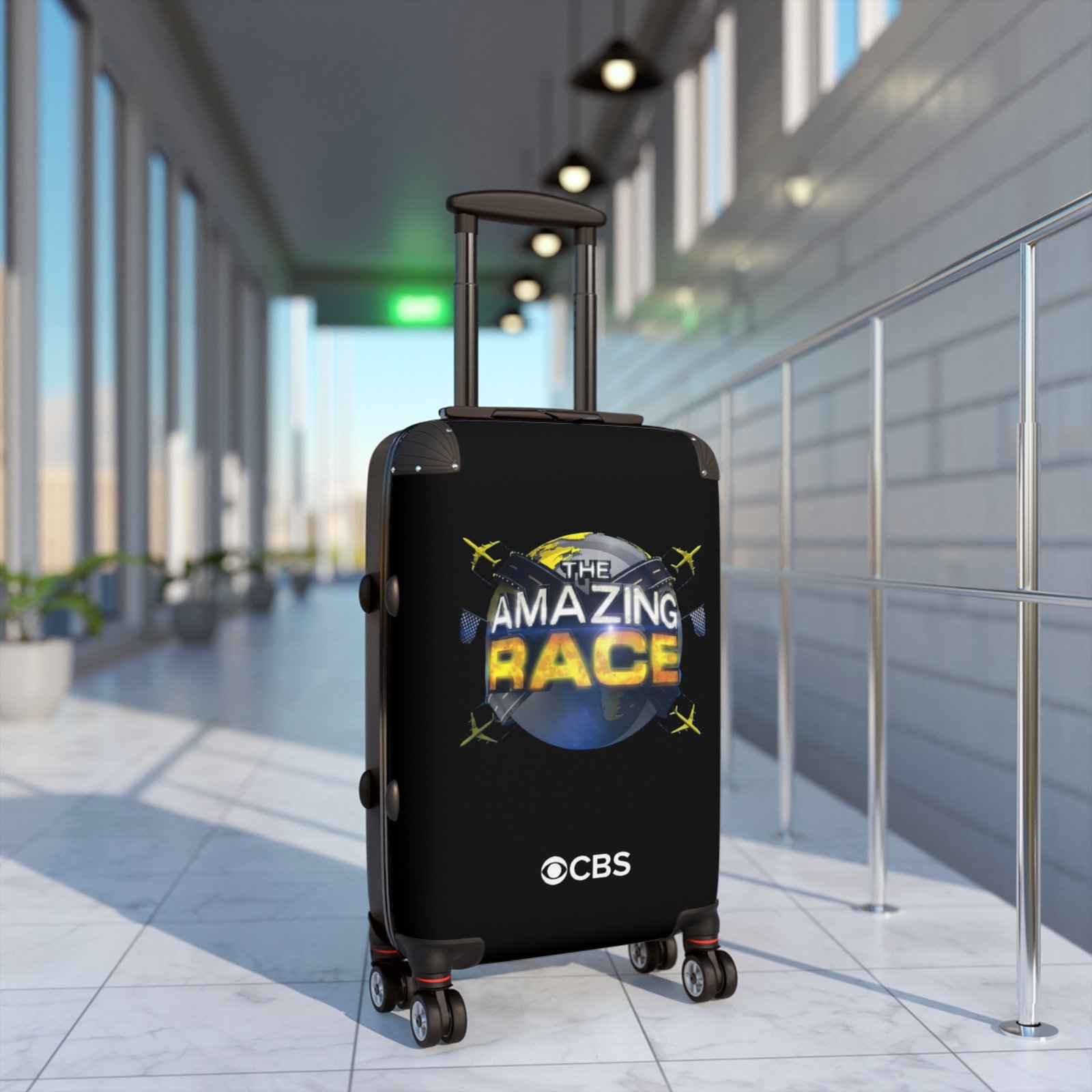
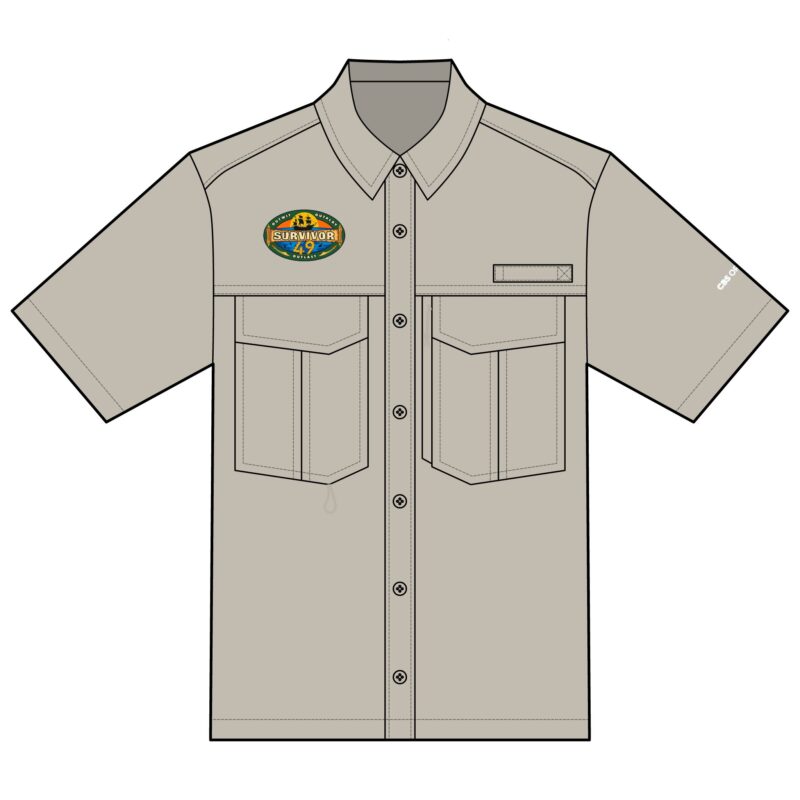
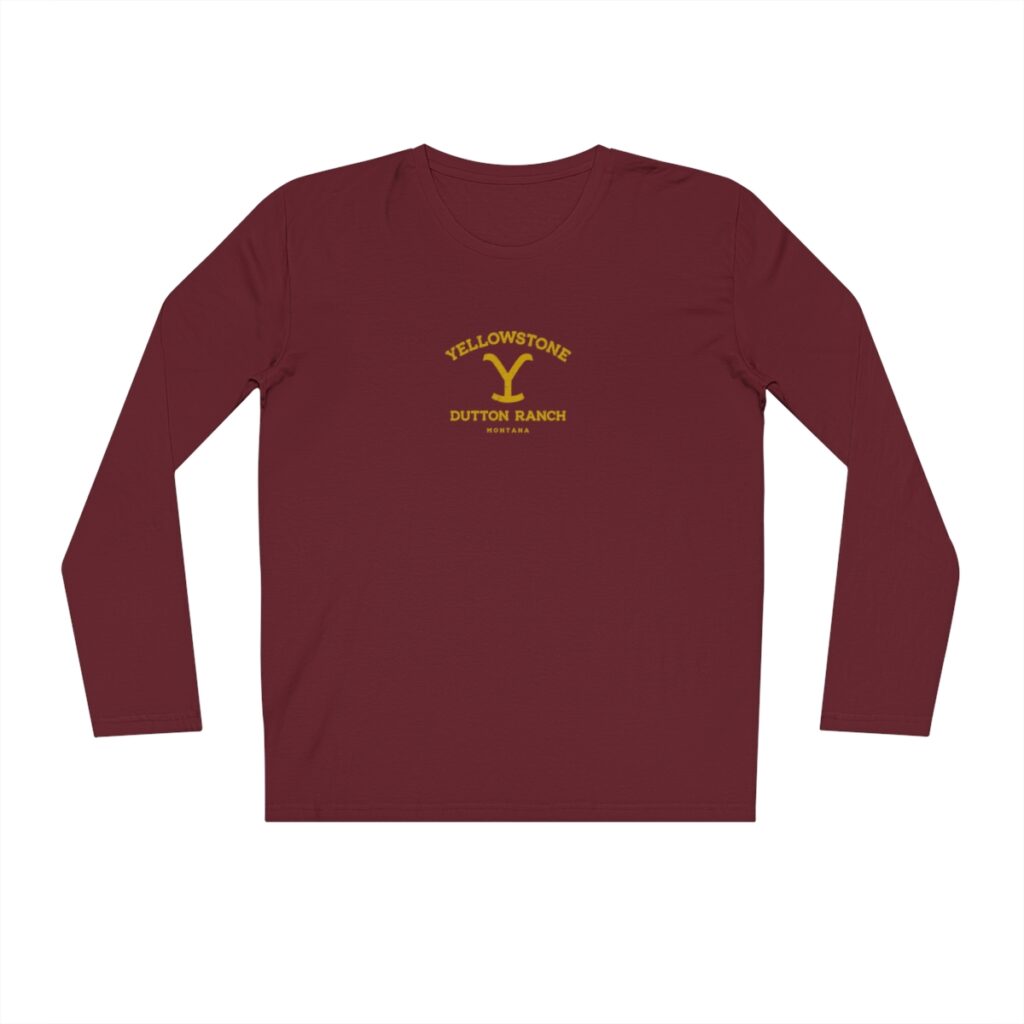
The Vending Lot appears to understand the importance of that emotional attachment. Instead of simply capitalizing on popularity, the platform is curating a merchandise ecosystem that reflects the identity and tone of the Tracker brand itself. This distinction matters enormously in today’s entertainment marketplace, where fans increasingly expect authenticity from official merchandise experiences. Consumers want products that feel connected to the spirit of the property rather than rushed commercial add-ons. The Tracker collection being featured through The Vending Lot helps bridge that gap by offering products that visually and stylistically align with the adventurous, atmospheric, and emotionally charged identity of the series.

The rise of Tracker also represents something larger happening within television itself. For years, industry conversations centered around the idea that traditional broadcast dramas were losing relevance in the streaming era. Tracker has helped dismantle that narrative completely. The series has proven that network television can still create appointment-viewing experiences capable of generating massive audience engagement, social media conversation, and long-term franchise viability. In many ways, Tracker has become a blueprint for what modern procedural storytelling can look like when paired with strong character construction, cinematic pacing, emotionally grounded narratives, and carefully layered mythology.

Justin Hartley’s performance as Colter Shaw has been central to that success. His portrayal combines vulnerability, intelligence, emotional restraint, and physical capability in a way that feels authentic rather than exaggerated. Audiences have connected with the character because he operates within emotional ambiguity rather than simplistic heroism. He is resourceful but damaged, capable yet isolated, confident while still emotionally searching. That complexity has helped Tracker transcend the limitations often associated with procedural storytelling and has given the series unusually strong audience retention across multiple demographics.

The inclusion of guest stars such as Jensen Ackles has further elevated the profile of the show while expanding its crossover appeal among fans of genre television, action drama, and serialized mystery storytelling. Ackles’ appearance generated enormous online discussion leading into “Chrono Stasis,” and the momentum from that episode now places even greater attention on “The Best Ones” heading into next week’s finale. The anticipation surrounding the finale is not simply about resolving a case or closing a storyline. It reflects genuine audience investment in the evolving emotional trajectories of the characters themselves.

This is exactly why merchandise connected to modern television properties has become increasingly valuable and culturally relevant. Fans are no longer purchasing products solely because they display a title or logo. They are buying emotional connection, identity reinforcement, nostalgia preservation, and collectible artifacts tied to experiences they genuinely care about. The Vending Lot’s Tracker collection operates within that exact emotional marketplace.

The broader TV Studio Store category also demonstrates how The Vending Lot is positioning itself within a rapidly evolving entertainment retail economy. Television-inspired merchandise has undergone a dramatic transformation over the past decade, moving away from low-effort novelty products and toward premium collectibles, lifestyle apparel, artistic display items, and fandom-centered design. Today’s television audience often overlaps heavily with collector culture, pop culture aesthetics, streaming fandoms, and social media communities where visual identity matters significantly. The Vending Lot appears to be building its television merchandise strategy around those realities rather than relying on outdated retail assumptions.

That modern approach becomes especially important for a series like Tracker because the show’s aesthetic identity is incredibly strong. The rugged landscapes, investigative tension, emotional isolation, wilderness themes, and survivalist atmosphere all contribute to a visual tone that naturally translates into collectible merchandise and lifestyle branding. The show’s identity is cinematic enough to support a broader visual culture beyond the episodes themselves, and that creates enormous potential for future expansion inside the merchandise space.

The official renewal for Season 4 only strengthens that momentum. Renewals matter psychologically for fans because they signal permanence, investment, and confidence from the network. CBS clearly recognizes Tracker as one of its flagship properties moving forward, and audiences are responding accordingly. That long-term stability creates stronger consumer confidence around merchandise because fans understand they are investing in an active and expanding franchise rather than a short-lived television experiment.

As the countdown continues toward the Season 3 finale, excitement surrounding Tracker continues to intensify across television audiences, streaming viewers, and entertainment communities online. The series has positioned itself as one of the most important modern network dramas currently on television, and The Vending Lot is capitalizing on that momentum by building a merchandise experience designed to evolve alongside the franchise itself.

The result is more than a collection of products. It is the beginning of a broader entertainment lifestyle ecosystem connected to one of television’s fastest-growing franchises. For fans preparing for “The Best Ones” next Sunday night, the experience no longer ends when the credits roll. Through The Vending Lot’s expanding Tracker collection, the world of the series continues living far beyond the screen, transforming fandom into something collectible, visual, immersive, and lasting.

2871974540727911654_2048

The Vending Lot Expands the Art of Music and Pop Culture Collectibles With a Stunning Poster Collection Headlined by the James Brown Fine Art Poster

The modern poster market has evolved far beyond dorm-room decoration and mass-produced wall filler. In today’s collectible culture, posters have become archival statements, premium display pieces, conversation starters, and increasingly important extensions of music, film, comedy, and live entertainment merchandising. That evolution is exactly where The Vending Lot continues to separate itself from ordinary online stores. With a growing lineup of gallery-inspired prints, music memorabilia, entertainment collectibles, and premium matte poster releases, The Vending Lot is building a destination where fans, collectors, and art enthusiasts can discover visually striking pieces designed to live far beyond a temporary trend cycle.

Leading the current spotlight within the expanding catalog is the remarkable James Brown Fine Art Poster, a release that captures the timeless energy, legacy, and larger-than-life presence of one of the most influential entertainers in music history. More than simply a printed image, the piece represents the intersection of collectible music culture and modern fine art presentation. It reflects the exact direction The Vending Lot continues to move toward — premium visual products that celebrate iconic artists while elevating the presentation quality expected by serious collectors and design-conscious buyers alike.

The James Brown Fine Art Poster immediately stands apart because of its commitment to gallery-grade craftsmanship. Printed on heavyweight 220 gsm fine art paper and produced using high-end Giclée printing technology, the poster delivers exceptional sharpness, vivid tonal accuracy, and archival-level quality that dramatically surpasses standard retail poster production. The smooth matte finish enhances the sophistication of the piece while eliminating the harsh glare commonly associated with cheaper glossy poster stock. The result is a refined visual presentation that feels appropriate whether displayed in a music room, office, media space, entertainment studio, lounge, vinyl listening room, or dedicated memorabilia collection.

That distinction matters because fans today are looking for products that feel intentional and permanent. Consumers no longer want disposable merchandise. They want collectible décor that merges artistic presentation with emotional connection. The James Brown Fine Art Poster accomplishes exactly that by transforming music admiration into a display-worthy centerpiece. James Brown remains one of the most influential cultural forces in modern entertainment history, and the energy surrounding his legacy continues to resonate across generations. His impact on funk, soul, rhythm and blues, stage performance, and popular culture remains immeasurable. A poster dedicated to that level of influence deserves presentation quality that reflects the magnitude of the artist himself, and The Vending Lot clearly understands that assignment.

What makes the release even more compelling is the versatility built into the product line. The poster is available in multiple sizes and configurations, allowing collectors to tailor the display experience to their personal environment. Whether used as a featured centerpiece on a gallery wall or integrated into a broader music-inspired design aesthetic, the poster adapts naturally to a wide range of spaces. The clean matte finish also allows the artwork to maintain a museum-style appearance rather than feeling commercial or overproduced. That subtle difference elevates the overall perception of the product and reinforces The Vending Lot’s growing reputation for curating collectible merchandise with stronger artistic integrity.

The broader poster collection available through The Vending Lot further demonstrates how expansive and culturally diverse the platform has become. Rather than focusing exclusively on one entertainment niche, the store embraces a wide spectrum of music, comedy, television, film, and pop culture properties, creating a catalog that feels both eclectic and carefully curated. Fans browsing the poster section encounter a rotating landscape of iconic artists, contemporary performers, cult entertainment brands, live music experiences, and specialty event artwork that collectively transform the collection into something far more substantial than a traditional merchandise page.

Among the standout releases currently drawing attention are the visually dynamic Coldplay Textured Watercolor Matte Posters, which merge contemporary music fandom with painterly design aesthetics that feel equally appropriate for modern interior décor. These releases reflect a growing trend in music merchandising where collectible art prints are designed not merely as souvenirs, but as visually elevated pieces capable of standing independently as artistic décor. That crossover appeal between music culture and interior design has become increasingly important in the collectible marketplace, and The Vending Lot appears fully aligned with that movement.

The catalog also embraces highly specialized live event culture through releases such as the Puscifer, Primus, and A Perfect Circle Sessanta Tour Fine Art Posters. Tour poster culture has exploded over the past decade, evolving into a serious collector category driven by limited designs, event-specific artwork, and fan demand for premium visual memorabilia connected to live music experiences. By offering high-quality fine art poster editions tied to major touring acts, The Vending Lot positions itself directly within one of the most passionate collector communities in entertainment merchandising.

Comedy fans are equally represented through releases like the Marcello Hernandez Tour Poster Matte Posters, showcasing how modern stand-up culture increasingly intersects with collectible art and branded merchandise. The rise of streaming platforms, viral stand-up clips, podcast-driven fandoms, and social media visibility has expanded the commercial reach of comedians in ways previously reserved for musicians and film stars. The inclusion of comedy tour art within The Vending Lot ecosystem reflects an understanding of where contemporary entertainment merchandising is heading rather than where it has historically been.

The platform’s embrace of television and nostalgia culture also becomes apparent through products connected to The Muppets and Jim Henson properties. The Muppets Jim Henson Fine Art Posters and silk poster variants tap directly into multi-generational nostalgia while simultaneously offering visually polished display pieces that appeal to collectors seeking both emotional familiarity and artistic presentation quality. The enduring popularity of classic entertainment brands continues to drive collectible demand, especially when paired with upscale production methods that move beyond conventional mass-market merchandising.

Meanwhile, event-based releases such as the Atlantic City Beer & Music Festival posters further showcase the diversity of the platform’s offerings. These types of festival-oriented collectibles often become increasingly valuable over time because they preserve a specific cultural moment, lineup, venue, or event experience. Fans are no longer simply purchasing a poster; they are preserving a memory, a lifestyle identity, and a tangible connection to a particular entertainment experience. The Vending Lot understands that emotional component exceptionally well, and the product lineup consistently reflects that awareness.

The poster category also reveals something larger happening within modern merchandise culture. Fans increasingly seek authenticity, presentation quality, and emotional resonance when making collectible purchases. In response, premium posters have evolved into hybrid products that exist somewhere between merchandise, interior design, and fine art collecting. That shift has created a growing demand for products that feel elevated, durable, and display-ready from the moment they arrive. Cheap paper stock and low-resolution printing no longer satisfy collectors who view entertainment memorabilia as part of their broader lifestyle aesthetic.

The Vending Lot appears to recognize this market evolution and is positioning itself accordingly. Instead of flooding the catalog with disposable products, the platform emphasizes print quality, finish consistency, visual clarity, and collectible presentation standards that align more closely with boutique art retailers than generic merchandise outlets. That distinction matters significantly in today’s e-commerce landscape, where consumers have become increasingly selective about the products they bring into their homes and personal collections.

Another major strength of the platform lies in the diversity of artistic tones represented throughout the collection. Some posters lean heavily into classic concert-poster energy with vibrant visual aggression and tour-centric aesthetics, while others embrace cleaner, modern gallery-inspired design sensibilities. That balance broadens the appeal considerably because it allows The Vending Lot to attract multiple demographics simultaneously, including music superfans, art collectors, nostalgia enthusiasts, comedy audiences, and consumers simply looking for visually compelling wall décor with cultural significance.

The James Brown Fine Art Poster ultimately embodies everything that makes the current direction of The Vending Lot so compelling. It merges iconic music history with upscale production values, transforming artist appreciation into collectible presentation art. It respects the legacy of a legendary performer while delivering the kind of premium quality modern buyers increasingly expect from collectible merchandise. It also reflects a larger mission within The Vending Lot ecosystem — creating products that celebrate culture while elevating the standards of entertainment-inspired retail.

As collectible culture continues evolving and fans increasingly prioritize premium display pieces over disposable merchandise, The Vending Lot is positioning itself as a serious player within the expanding intersection of music memorabilia, pop culture collectibles, and fine art-inspired merchandising. The growing poster collection demonstrates that the future of entertainment retail belongs to platforms capable of combining nostalgia, artistry, quality craftsmanship, and authentic fan connection into one cohesive experience.

For collectors, music fans, comedy enthusiasts, and pop culture devotees searching for pieces that feel meaningful, visually striking, and professionally produced, The Vending Lot’s expanding poster lineup represents far more than merchandise. It represents the continued elevation of fandom itself into a curated art form.

36260-14

The Vending Lot Vintage Series Reimagines the Golden Era of Concert Culture, Counterculture Fashion, and American Music History

There are apparel collections built around trends, and then there are collections built around memory, mythology, and cultural permanence. The Vintage Series from The Vending Lot operates in an entirely different category than conventional retro merchandise because it is not attempting to imitate nostalgia from a distance. It is reconstructing the emotional architecture of some of the most important venues, broadcasts, tours, artists, and moments in American music culture through wearable design, premium apparel construction, and historically inspired visual storytelling.

At a time when much of the modern apparel marketplace has become disposable, algorithm-driven, and creatively interchangeable, The Vending Lot’s Vintage Series stands out by leaning aggressively into authenticity, specificity, and cultural depth. This is not a generic “retro collection.” It is a curated ecosystem of music-history-inspired apparel and lifestyle products that tap directly into the emotional resonance of landmark venues like the Valley Forge Music Fair, iconic brands like Capitol Records, legendary live institutions like the Spectrum, and era-defining moments from the expansive universe of Grateful Dead history.

What makes the collection especially compelling is the way it bridges multiple generations simultaneously. For longtime music fans, these pieces reconnect them with physical spaces and cultural moments that shaped their lives. For younger collectors and style-conscious audiences discovering these icons for the first time, the collection offers an entry point into the visual identity of classic American live music culture through modern silhouettes, elevated printing techniques, premium materials, and carefully considered vintage aesthetics.

The result is a product line that feels less like merchandise and more like archival cultural preservation translated into fashion.

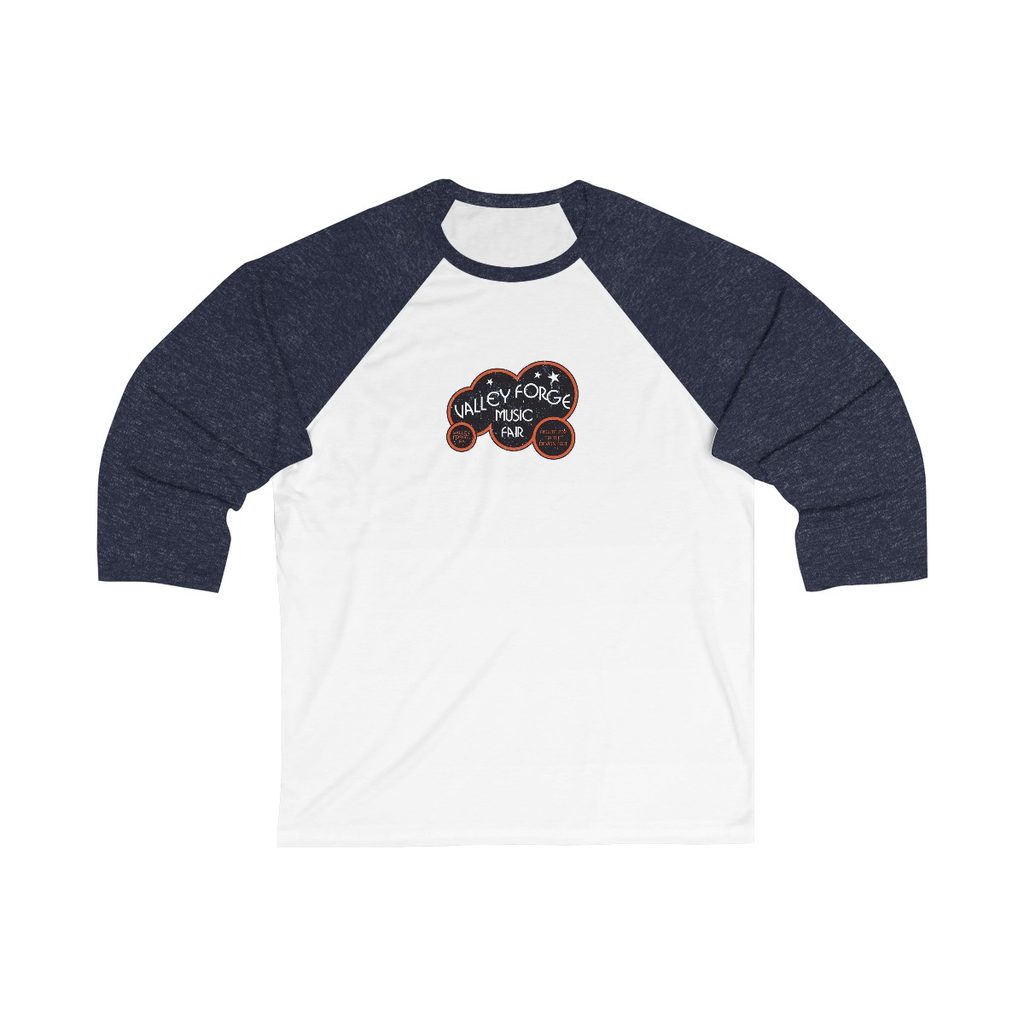
The Vintage Series immediately distinguishes itself through the breadth of its inspirations. Rather than focusing narrowly on one artist or one era, the collection explores the connective tissue that helped define American music culture over multiple decades. The Valley Forge Music Fair Unisex 3/4 Sleeve Baseball Tee, for example, channels the spirit of one of the Northeast’s most beloved entertainment institutions, a venue that became synonymous with legendary live performances, touring productions, and regional concert culture. The baseball tee silhouette itself is an intentional design decision because it evokes the lived-in concertwear aesthetic associated with late-1970s and early-1980s touring culture, where raglan sleeves, soft cotton textures, and relaxed fits became inseparable from live music fashion.

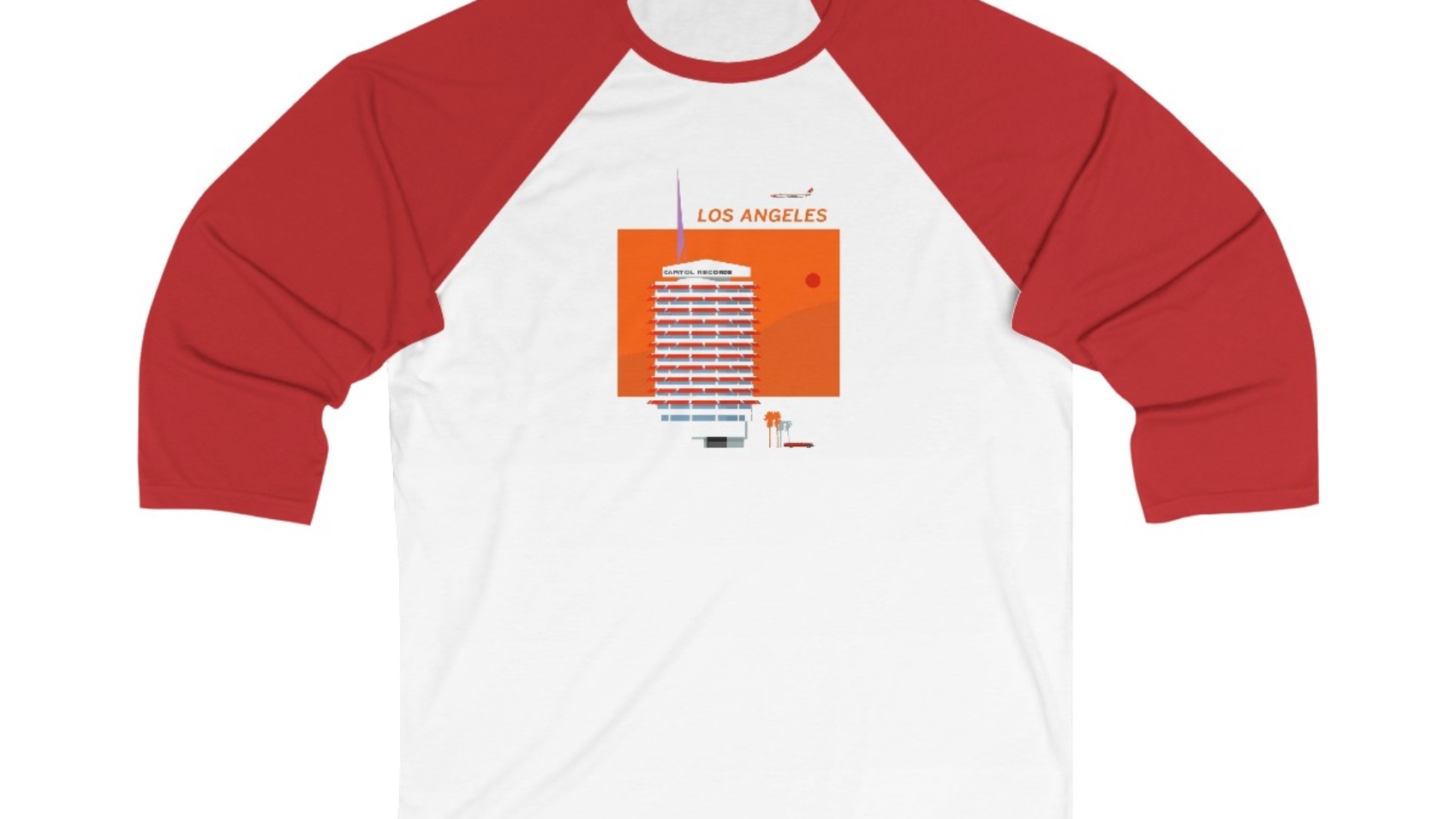
The same philosophy carries into the Capitol Records Unisex 3/4 Sleeve Baseball Tee, which transforms one of the most iconic names in recording history into a wearable emblem of analog-era music culture. Capitol Records represents far more than a logo. It symbolizes the architecture of the modern recording industry itself — an era defined by physical studios, carefully crafted albums, artist development, and the mythology surrounding the golden age of recorded music. By translating that iconography into a contemporary lifestyle garment, The Vending Lot creates something that functions both as fashion and cultural shorthand.

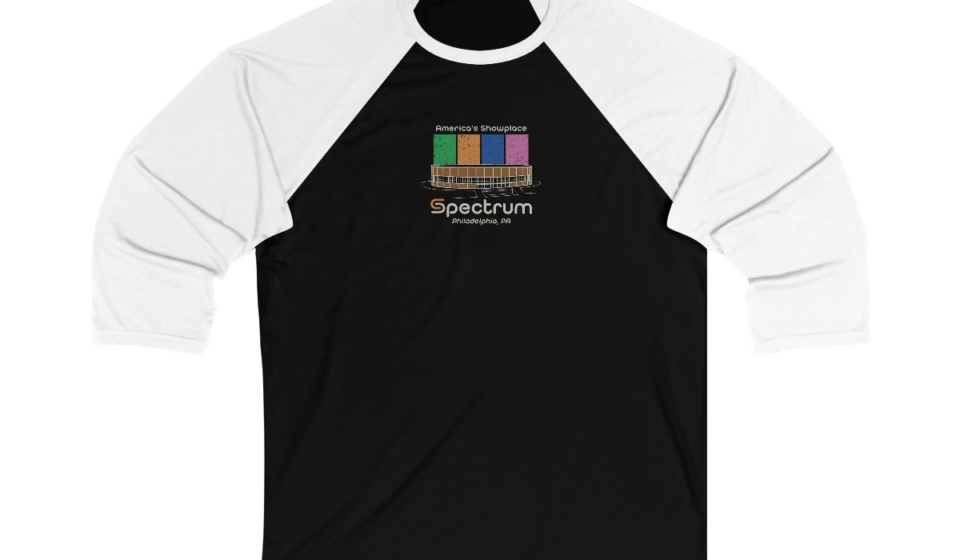
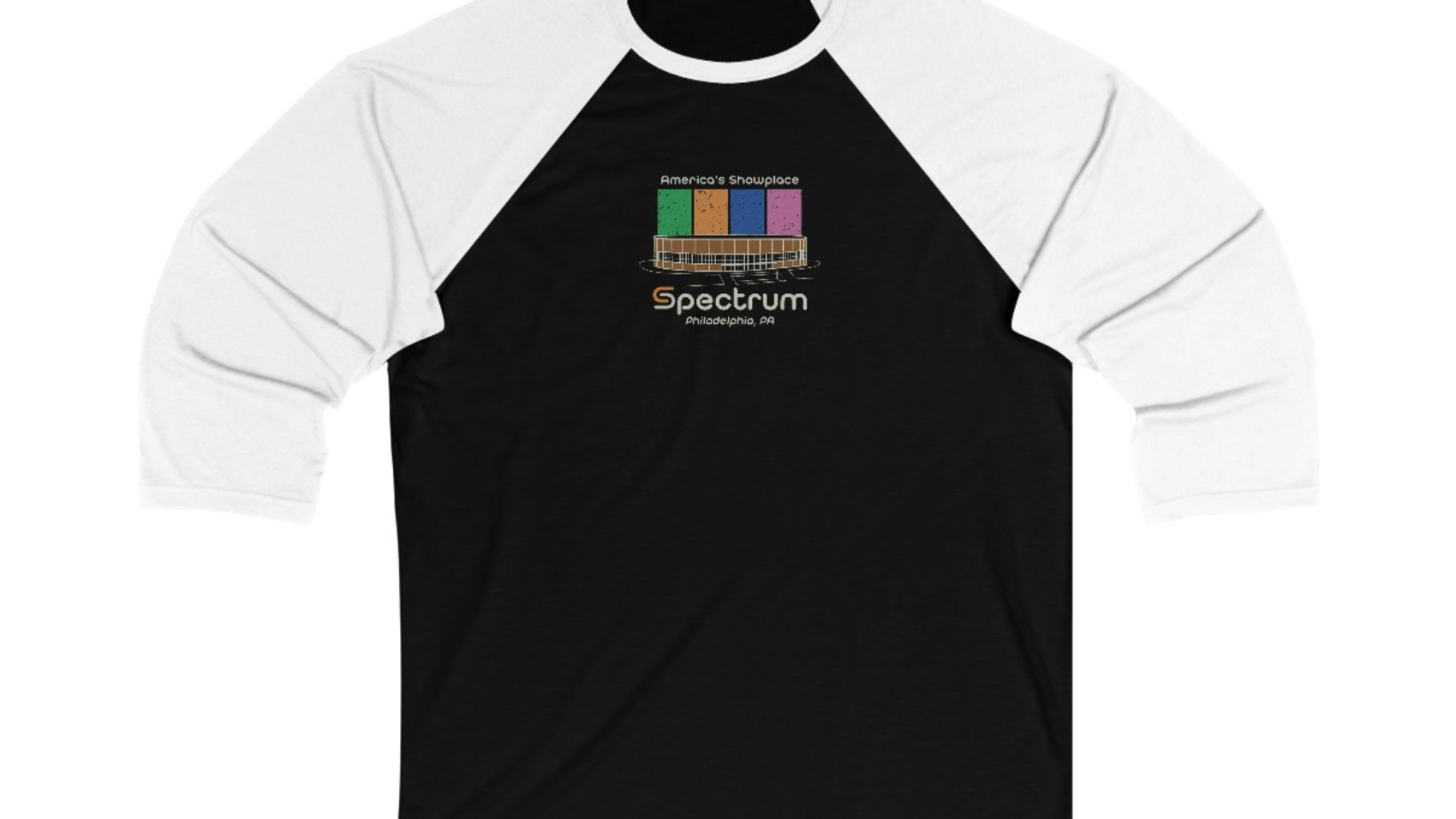
The Spectrum collection operates with a similarly powerful sense of historical gravity. For generations of music fans in Philadelphia and throughout the Northeast, the Spectrum was not merely an arena. It was a rite of passage. It was where fans witnessed defining concerts, championship moments, and cultural turning points that still echo throughout regional music history today. The Spectrum Unisex 3/4 Sleeve Baseball Tee and the Spectrum Organic Sparker Long Sleeve Shirt tap directly into that mythology, transforming venue identity into modern lifestyle apparel that feels simultaneously timeless and current.

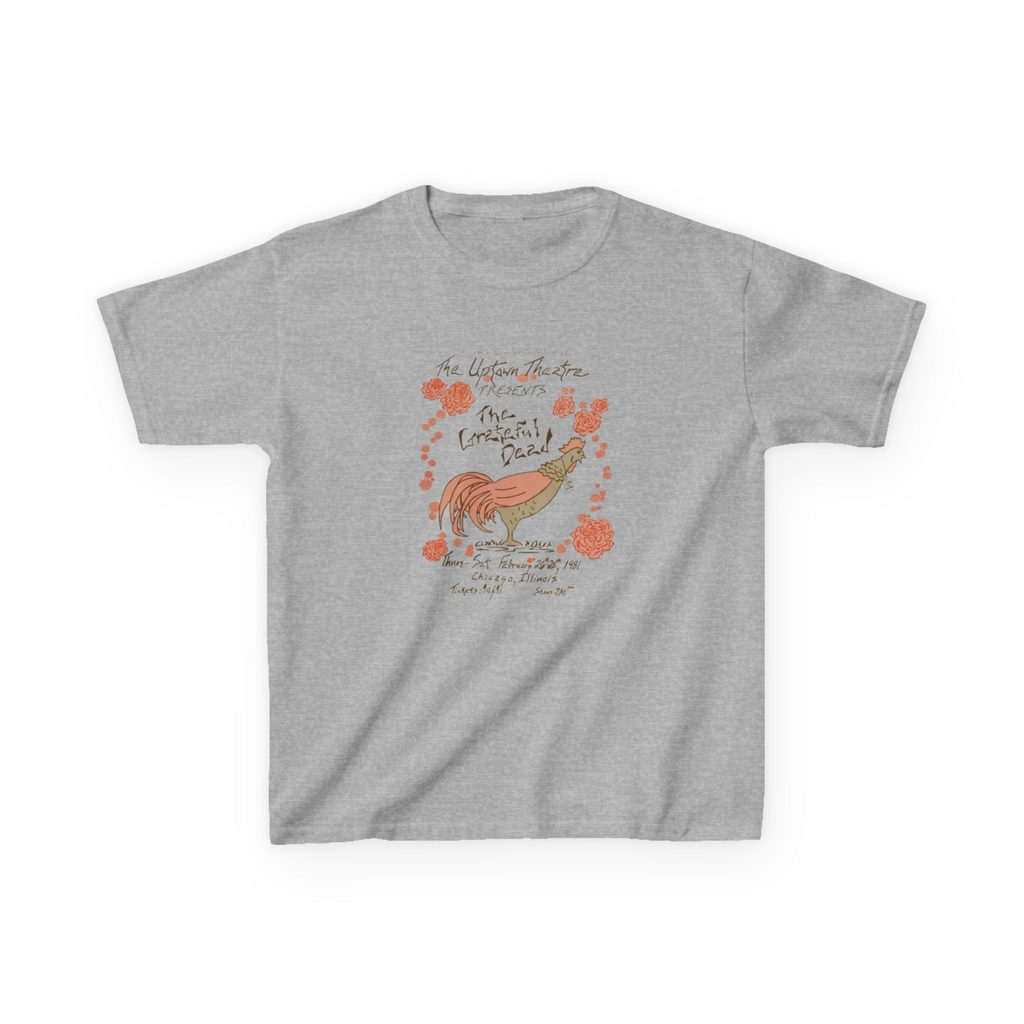
What elevates the Vintage Series even further is its extensive exploration of Grateful Dead history, particularly through the Watkins Glen Raceway collection and multiple New Year’s-era inspired releases. These pieces are not superficial reproductions. They understand the emotional and historical significance behind the imagery. The Watkins Glen Raceway collection in particular draws from one of the most legendary moments in live music history — an event that represented not simply a concert, but an enormous convergence of counterculture, improvisational music, communal identity, and large-scale live event mythology.

The Grateful Dead Watkins Glen Raceway Unisex Distressed Cap immediately captures that spirit through its weathered aesthetic and lived-in styling. It feels intentionally aged in a way that reflects the legacy of road-worn touring culture and the timeless visual language of vintage concert apparel. The companion pieces within the collection expand that identity into multiple lifestyle formats, allowing fans and collectors to engage with the aesthetic across different wardrobes and environments.

The Grateful Dead Watkins Glen Raceway Champion T-Shirt, Champion Hoodie, and Champion Sweatshirt bring heavyweight premium construction into the collection, reinforcing the sense that these are long-term wardrobe investments rather than impulse novelty purchases. Champion-branded apparel carries its own historic weight within American sportswear and collegiate fashion culture, making the collaboration between vintage concert aesthetics and premium heritage apparel especially effective.

Equally notable is the Adidas Unisex Performance Polo variation, which expands the boundaries of traditional music-inspired apparel by introducing a more refined, upscale lifestyle presentation. Rather than confining vintage music iconography strictly to casual wear, The Vending Lot demonstrates that heritage concert culture can seamlessly intersect with contemporary premium sportswear and elevated lifestyle branding.

The baseball tees and cotton ringer tees throughout the Grateful Dead lineup are especially strong because they mirror the exact silhouettes historically associated with touring merchandise and fan culture during the 1970s and 1980s. The Grateful Dead Watkins Glen Raceway Unisex 3/4 Sleeve Baseball Tee, the New Year’s 1984 variations, and the Chinese New Year editions all leverage vintage athletic-inspired construction that immediately triggers a sense of era authenticity without appearing costume-like or artificially distressed.

That distinction matters enormously in today’s apparel marketplace. Consumers have become increasingly sophisticated about identifying authentic vintage inspiration versus mass-produced “retro aesthetics.” The Vintage Series succeeds because it understands the difference between referencing history and exploiting nostalgia. The designs feel rooted in genuine cultural appreciation rather than trend-chasing.

The New Year’s 1984 collection deserves particular attention because it taps into one of the most beloved recurring traditions within Grateful Dead history: the legendary New Year’s performances that became ritualistic cultural events for Deadheads across multiple generations. The New Year’s 1984 Unisex 3/4 Sleeve Baseball Tee, Men’s Staple Ringer Tee, and Cotton Ringer T-Shirt collectively recreate the celebratory, communal atmosphere surrounding those performances while maintaining strong standalone fashion appeal for audiences who may not even fully understand the historical references at first glance.

The Chinese New Year-inspired releases push the collection even deeper into culturally specific archival territory. Rather than relying on generic iconography, these pieces acknowledge a unique period within the Grateful Dead’s expansive touring mythology and visual evolution. The Chinese New Year Cotton Ringer T-Shirt, Men’s Staple Ringer Tee, and the Chinese New Year 1981 Unisex 3/4 Sleeve Baseball Tee reinforce the collection’s larger commitment to specificity and historical depth.

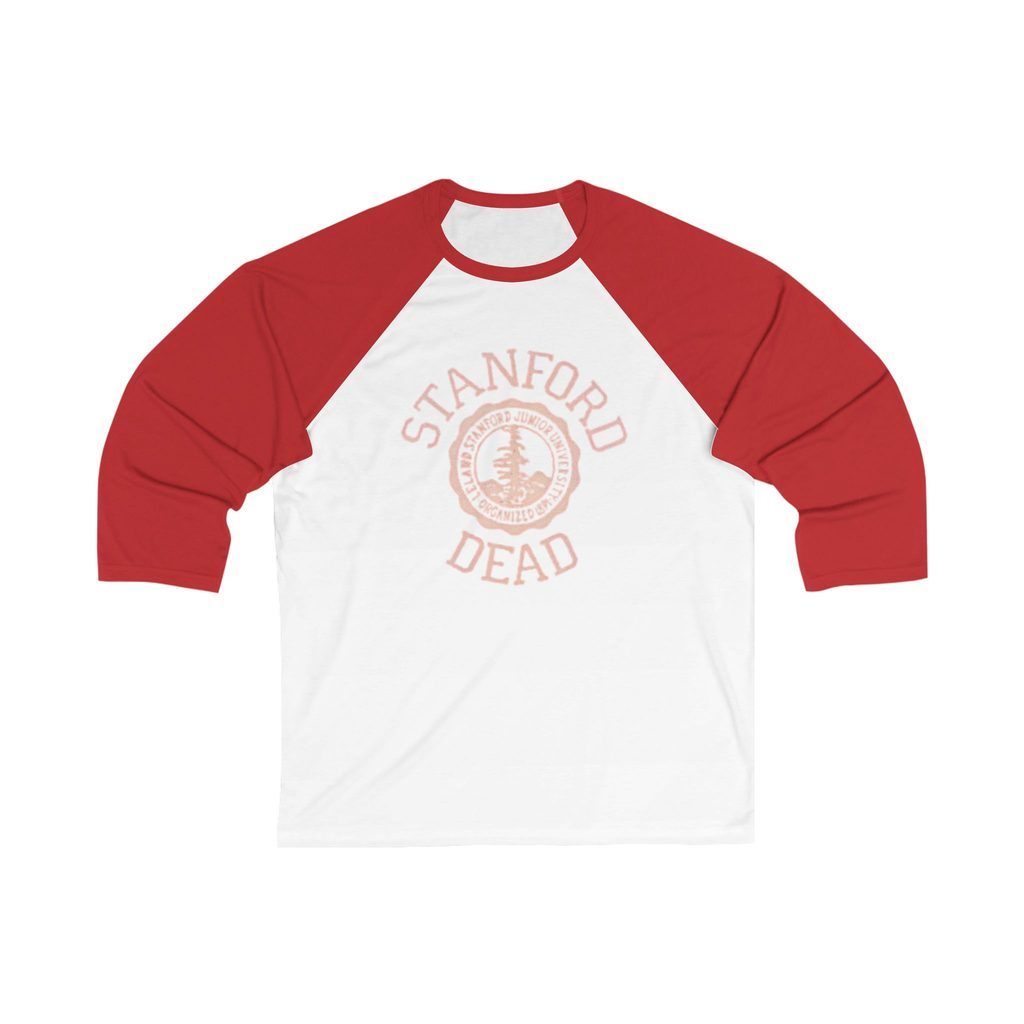
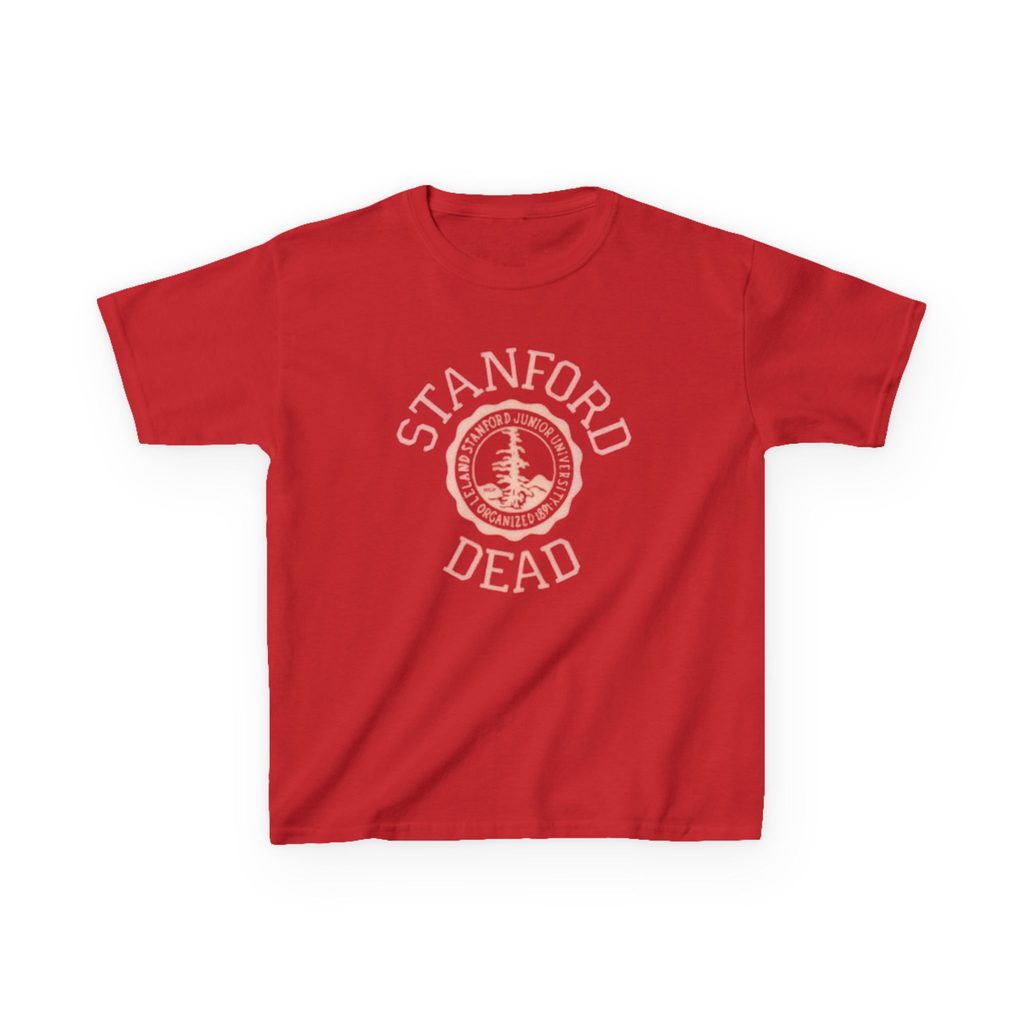
The Stanford Dead collection similarly taps into a distinct era of live performance culture and fan identity. The Stanford Dead Organic Unisex Classic T-Shirt and Stanford Dead 1988 Heavy Cotton Tee merge environmentally conscious apparel construction with historically inspired design language, proving that sustainability and vintage aesthetics can coexist effectively within modern music-inspired fashion.

What ultimately separates The Vending Lot Vintage Series from countless other music-themed apparel collections is its understanding of atmosphere. Every garment feels designed around the emotional texture of the era it references. The cuts, fabrics, silhouettes, typography, and visual balance all work together to recreate not just a logo or event name, but a feeling.

That emotional architecture is critical because the modern consumer is no longer purchasing apparel solely for utility. People buy identity, narrative, emotional connection, and cultural affiliation. The Vintage Series understands this dynamic exceptionally well. These products are not merely garments; they are wearable artifacts tied to specific moments in music history, regional culture, counterculture evolution, and live entertainment mythology.

The inclusion of lifestyle accessories like the Watkins Glen Raceway Colorful Mugs further expands the collection beyond apparel into environmental branding and personal ritual. Coffee mugs tied to iconic concert history may sound simple on the surface, but they function psychologically as daily reinforcement pieces for music fans who build identity around the culture they consume and celebrate.

Another major strength of the Vintage Series is its ability to function across multiple fashion categories simultaneously. Some pieces lean heavily into archival authenticity and collector appeal, while others work as highly versatile everyday lifestyle apparel. The distressed caps, heavyweight hoodies, ringers, polos, and long sleeves allow the collection to reach audiences ranging from dedicated music historians and collectors to younger streetwear consumers drawn toward vintage Americana aesthetics.

The timing of this collection also feels remarkably aligned with broader shifts happening across fashion, entertainment, and cultural consumption. Modern audiences increasingly crave tactile cultural experiences that feel grounded, human, and historically connected. Vinyl sales continue surging. Vintage touring shirts command enormous resale prices. Analog aesthetics dominate fashion editorials. Archival concert footage has become premium streaming content. Legacy venue iconography has returned to mainstream streetwear. The Vintage Series sits directly at the intersection of all of those movements.

Importantly, The Vending Lot does not approach these cultural references with irony or detached nostalgia. There is a sincerity embedded throughout the collection that gives it credibility. These products feel built by people who genuinely understand the historical importance of these venues, artists, broadcasts, and touring eras.

That sincerity translates directly into stronger branding, deeper emotional engagement, and ultimately better product longevity. Consumers can recognize when collections are created from authentic cultural appreciation versus opportunistic branding exercises. The Vintage Series consistently lands on the right side of that divide.

As the apparel industry continues moving toward increasingly disposable trends, short-cycle social media aesthetics, and hyper-accelerated fashion turnover, collections like the Vintage Series become more culturally valuable because they resist that disposability. They anchor themselves in stories, institutions, and moments that have already survived decades of cultural change.

That durability matters. Great vintage-inspired fashion should not simply remind consumers of the past. It should preserve the emotional power of that past while allowing it to evolve naturally into contemporary identity and lifestyle culture. The Vending Lot’s Vintage Series accomplishes precisely that.

In many ways, the collection feels like a wearable archive of American live entertainment history — one that connects regional venues, counterculture movements, classic recording institutions, touring traditions, and legendary performances into a cohesive modern fashion statement that remains deeply rooted in authenticity. The result is one of the most compelling music-inspired lifestyle collections currently operating in the independent apparel space, balancing historical reverence with contemporary execution in a way that feels both commercially smart and culturally meaningful.

2521845271391718485_2048

The Vending Lot TV Studio Store Focuses on Your Friends & Neighbors Collection as Season 2 Drives Weekly Audience Engagement

The Vending Lot continues to refine its TV Studio Store with a targeted focus on series-specific merchandise, and its Your Friends & Neighbors collection reflects a measured, content-aligned approach to television-driven retail. Built around the tone and character dynamics of Your Friends & Neighbors, the product line is structured to mirror the show’s current momentum as Season 2 unfolds in real time on Apple TV+.

The series is currently midway through its second season, with the latest episode, “Halfway to Invisible,” released May 1, 2026. The season premiered April 3 and follows a consistent weekly rollout schedule, dropping new episodes every Friday, with early availability Thursday evenings in the United States. With ten episodes planned and a finale set for June 5, the show is operating within a defined release cadence that continues to sustain audience attention week to week.

That steady engagement is reflected in the direction of the current storyline. The series remains centered on Andrew “Coop” Cooper, played by Jon Hamm, whose double life has become more entrenched as Season 2 progresses. Coop’s decision to continue down a path of calculated suburban theft has shifted the tone of the series into more deliberate territory, where personal risk and exposure are no longer abstract concerns but immediate threats. The introduction of Owen Ashe, portrayed by James Marsden, has intensified that dynamic. As a new neighbor with the potential to uncover Coop’s activities, Owen functions as a direct counterbalance—someone who brings tension into what had previously been a controlled environment.

The May 1 episode reinforced that trajectory. Coop and Jack’s overseas trip to secure a major investor expanded the narrative beyond its suburban setting, while events back home—particularly a housewarming party hosted by Nick—kept the core neighborhood dynamics active. The upcoming episode, “For Everything Else, There Was Bowling,” scheduled for May 8, is expected to return the focus to interpersonal friction within the community, continuing the pattern of layering personal stakes alongside broader plot developments.

The supporting cast remains consistent, with Amanda Peet and Olivia Munn maintaining key roles that anchor the show’s interpersonal framework. Their presence reinforces the series’ emphasis on relationships as much as plot mechanics, which is a defining element of its appeal. That balance has contributed to strong reception metrics, with the current season maintaining an 88% approval rating, signaling sustained audience and critical engagement.

Looking ahead, the platform has already committed to continuing the series. An early renewal for Season 3 was confirmed prior to the Season 2 premiere, with Michelle Monaghan announced as a new addition to the cast. That forward commitment places the show in a stable position within the Apple TV+ lineup, with production developments already underway for the next phase of the story.

Within this context, The Vending Lot’s Your Friends & Neighbors collection operates as a direct extension of the series’ identity. The product line focuses on wearable and everyday items that reflect the show’s suburban setting and character-driven tone without overcomplication. Design elements are rooted in recognizable motifs tied to the neighborhood environment and the understated tension that defines the series. The result is a collection that aligns with how the show presents itself—grounded, character-focused, and built on subtle detail rather than exaggerated branding.

The integration between content and product is straightforward. As new episodes release weekly and the narrative evolves, the collection remains consistent with the show’s visual and thematic direction. It is not positioned as a standalone concept but as a complementary layer for viewers who are following the series in real time.

With Season 2 progressing toward its June 5 finale and Season 3 already in motion, Your Friends & Neighbors continues to establish itself as a steady performer within the current television landscape. The Vending Lot’s TV Studio Store reflects that stability with a product line that stays aligned with the show’s tone, pacing, and audience—keeping the focus on the series itself while providing a clear, accessible extension of its world.

1987719659895891324_2048

Fire Country Season 4 Pushes Forward With High-Stakes Storylines as April 24 Episode Approaches – Check Out the TV Studio Store in The Vending Lot!

Fire Country is deep into its fourth season, and the current run has settled into a more focused, character-driven stretch following a major reset in the premiere. With Episode 16, “Not Worth the Risk,” set to air Friday, April 24, 2026, the series continues to build toward a season finale that is expected to significantly raise the stakes.

The defining shift this season came early. The Zabel Ridge fire and the loss of Vince, played by Billy Burke, changed the structure of Station 42 and forced a transition in leadership and tone. What followed has been a steady repositioning of the story around responsibility, decision-making, and the operational pressure that comes with command. Max Thieriot remains central as Bode, with the character now operating in a space that demands more than instinct—he is being pushed to prove he can lead under real consequences.

That progression was evident in the April 17 episode, “Making Things Go Boom,” where what began as a routine call escalated into a volatile situation for the crew. The episode reinforced a consistent theme this season: small miscalculations can quickly become large-scale threats. At the same time, Bode was dealing with external complications tied to Landon’s attempt to interfere with Tyler’s trial, adding another layer of pressure beyond the fire line.

This week’s episode, “Not Worth the Risk,” shifts the challenge again. A historic cold snap in Edgewater introduces a different kind of emergency environment, forcing the team to operate outside their typical wildfire conditions. For Bode, the episode centers on leadership validation—whether he can manage both the unpredictability of the situation and the expectations placed on him. In parallel, Jake faces a decision that could alter his career path, signaling that the internal structure of Station 42 is still in flux.

The season is clearly building toward its May 22 finale, “Try Not to Drown,” which is expected to revolve around a catastrophic dam failure and widespread flooding. The scale of that event suggests a shift from contained incidents to a broader regional crisis, continuing the show’s pattern of escalating scenarios as the season progresses.

Outside the immediate storyline, the franchise itself continues to grow. Sheriff Country has already secured another season, expanding the Edgewater setting through a law enforcement perspective, while a third project, Med Country, is in development to focus on emergency medical response. CBS has also confirmed that Fire Country will return for a fifth season, ensuring continuity beyond the current arc.

Within Season 4, the focus remains clear: rebuild after loss, test leadership under pressure, and push characters into situations that demand long-term consequences. As the April 24 episode approaches, the series is operating in a tighter, more disciplined narrative lane, with each episode contributing directly to the larger trajectory heading into the finale.

16736533568655883912_2048

The Vending Lot Expands Its Film Studio Collection with The SpongeBob Movie: Search for SquarePants—A New Era of Licensed Home Experience Products

As the entertainment industry continues to evolve beyond the screen, the most forward-thinking brands are redefining how audiences interact with their favorite films long after the credits roll. The Vending Lot has positioned itself at the center of this movement, curating a growing portfolio of film-inspired lifestyle products that translate cinematic storytelling into tangible, everyday experiences. With the expansion of its Film Studio Lot collection, the brand now places a spotlight on one of the most enduring and globally recognized franchises in modern entertainment—The SpongeBob Movie: Search for SquarePants.

With the film’s theatrical debut on December 19, 2025 and its continued accessibility across streaming, digital, and physical platforms, the timing of this product rollout is deliberate. As audiences transition from the theater to the home environment, The Vending Lot delivers a product line that extends engagement with the film into the physical space—offering fans a way to integrate the world of Bikini Bottom into their daily lives with both creativity and design intent.

At the forefront of this collection is a standout piece that encapsulates the brand’s approach: The SpongeBob Movie: Search for SquarePants Lamp on a Stand. This product is not positioned as novelty merchandise—it is engineered as a functional design object that merges licensed artwork with modern home décor standards. Built with a steel base available in a refined silver or white finish, the lamp establishes a clean, contemporary foundation that complements a wide range of interior aesthetics while maintaining a direct visual connection to the film’s identity.

The shade itself becomes the focal point, offering high-resolution printed graphics that bring the film’s vibrant visual language into a practical format. With ten distinct trim color options, the design allows for customization without sacrificing cohesion, enabling users to align the product with their personal style while still maintaining the integrity of the licensed imagery. This level of adaptability reflects a broader shift in licensed products—from static collectibles to customizable, design-conscious pieces that function seamlessly within real-world environments.

From a technical standpoint, the lamp is engineered for performance and compatibility within North American markets, operating on a 100–127V system and utilizing a Type A plug configuration. Its dimensions—approximately 20 inches in height and 7 inches in width—strike a balance between presence and practicality, making it suitable for desks, nightstands, and accent placements within living spaces. The requirement for a 13-watt compact fluorescent, 60-watt incandescent, or LED equivalent bulb ensures flexibility in lighting preferences, allowing users to tailor both brightness and energy efficiency to their needs.

What distinguishes this product within The Vending Lot’s broader catalog is its ability to operate at the intersection of fandom and functionality. It is not simply an object that references a film—it is a piece that enhances a space while maintaining a direct connection to the narrative and visual identity of Search for SquarePants. This approach aligns with the evolving expectations of consumers who are increasingly seeking products that offer both aesthetic value and cultural relevance.

The film itself provides a rich foundation for this expansion. The SpongeBob Movie: Search for SquarePants continues the franchise’s tradition of blending humor, adventure, and emotional resonance, following SpongeBob as he embarks on a journey to prove his courage by confronting the legendary Flying Dutchman. Featuring returning voice talent alongside high-profile additions, the film reinforces the franchise’s ability to evolve while maintaining its core identity. Its availability on streaming platforms, digital marketplaces, and physical media ensures that it remains accessible to a broad audience, further amplifying the relevance of associated product lines.

The Vending Lot’s decision to build out a dedicated collection around this release reflects a strategic understanding of lifecycle engagement. Rather than limiting the impact of the film to its theatrical window, the brand extends its presence into the home, creating a continuous connection between audience and content. This approach is particularly effective within franchises like SpongeBob, where multi-generational appeal and cultural longevity create sustained demand for high-quality, design-forward merchandise.

Beyond the featured lamp, the broader Film Studio Lot category signals a larger ambition. The Vending Lot is not merely participating in the licensed product space—it is actively redefining it. By focusing on items that integrate seamlessly into everyday environments, the brand moves beyond traditional merchandising and into the realm of lifestyle design. Each product becomes part of a larger narrative, one that connects entertainment, design, and functionality in a cohesive and scalable model.

For consumers, this represents a shift in how film-related products are perceived and utilized. No longer confined to shelves or display cases, these items become part of the lived experience, enhancing spaces while maintaining a connection to the stories that inspire them. For The Vending Lot, it establishes a framework for continued expansion, with opportunities to apply this model across additional franchises and categories.

As The SpongeBob Movie: Search for SquarePants continues to resonate across platforms, The Vending Lot’s corresponding product line ensures that its presence extends beyond the screen in a meaningful and lasting way. The Lamp on a Stand serves as both a centerpiece and a proof of concept—demonstrating how licensed content can be transformed into products that are as functional as they are expressive.

With this release, The Vending Lot reinforces its position as a leader in the next generation of film-inspired merchandise, delivering products that are not only visually compelling but thoughtfully designed for real-world use. It is a direction that reflects both the evolution of the entertainment industry and the growing expectations of audiences who want to bring the stories they love into the spaces they inhabit.

2507544296450110099_2048

Bruce Springsteen Ignites Minneapolis with a Powerful Prince Tribute as The Vending Lot Unveils a Definitive E Street Band Merch Collection

Bruce Springsteen and the E Street Band have never simply launched tours—they ignite cultural moments. Last night’s tour opener did exactly that, transforming a standard first night into something far more resonant: a deeply felt tribute, a statement of artistic continuity, and a reminder of why Springsteen’s connection to place, people, and legacy remains unmatched in modern music. As Minneapolis became the first stop on this latest run, it also became the stage for something larger—a night where music history, reverence, and live performance converged in a way only Springsteen can deliver.

From the opening notes, there was a palpable sense that this was not just another show. The energy inside the venue carried a dual weight: the anticipation of a new tour and the emotional gravity of honoring a city forever tied to one of music’s most influential figures. Springsteen’s acknowledgment of Prince was not performative—it was deliberate, restrained, and powerful in its sincerity. Rather than interrupt the flow of the night, the tribute was woven seamlessly into the performance, allowing the music itself to carry the message. It reflected Springsteen’s long-standing ethos: respect the stage, respect the audience, and let the songs speak with clarity and purpose.

This kind of moment reinforces why Springsteen’s live shows continue to define the upper tier of touring performance. There is a discipline to how these shows are constructed—setlists that evolve in real time, arrangements that honor the past while subtly shifting for the present, and a band that operates with near-telepathic cohesion. The E Street Band remains one of the most formidable live units in music, not because of nostalgia, but because of execution. Every note, every transition, every dynamic shift is intentional.

That same attention to detail and authenticity is precisely what is now being reflected beyond the stage and into the merchandise ecosystem, where The Vending Lot is carving out a highly curated space for fans who want more than generic tour apparel. Their Bruce Springsteen and the E Street Band collection represents a strategic extension of the live experience—one that captures the tone, grit, and legacy of Springsteen’s brand in a way that feels both elevated and accessible.

What distinguishes this product line is not volume, but specificity. The collection is built around the idea that Springsteen’s audience is not looking for disposable merch—they are looking for artifacts. Items that carry narrative weight. Pieces that feel connected to the mythology of the music itself. From classic imagery to more nuanced, era-specific references, the catalog reflects an understanding that Springsteen’s visual identity is as important as his sonic one. It is not about slapping a logo on fabric; it is about translating decades of cultural impact into something tangible.

The Vending Lot’s broader product strategy reinforces this philosophy. Their merchandising approach is rooted in the concept of the “stand”—a nod to the traditional concert merch booth, but reimagined for a digital-first audience that still values authenticity. The platform is structured to feel like an extension of the venue experience, where fans can engage with artist-driven products that retain the spirit of live music culture rather than diluting it. This is critical in a market saturated with mass-produced, low-context merchandise.

Within the Springsteen collection, there is a clear emphasis on timelessness. The designs avoid fleeting trends in favor of enduring visual language—iconography that resonates whether you discovered Springsteen in the 1970s or last week. This positions the product line not just as merchandise, but as part of a broader collector’s ecosystem. It aligns with how fans actually interact with Springsteen’s legacy: deeply, personally, and often across generations.

The timing of this featured collection is equally strategic. A tour opener like the one in Minneapolis does more than kick off a series of dates—it resets the conversation. It reminds audiences why Springsteen remains relevant, why his performances still matter, and why his connection to American music history continues to evolve. By aligning a curated product release with this kind of moment, The Vending Lot is effectively bridging the gap between live experience and lasting ownership. Fans don’t just attend the show—they take a piece of it with them.

This is where the merchandising model becomes particularly compelling. In an era where streaming has altered how music is consumed, physical products regain importance as anchors of fandom. They provide a sense of permanence in an otherwise transient landscape. The Vending Lot’s approach acknowledges this shift and leans into it, offering products that feel intentional rather than incidental.

At a structural level, the platform is designed for discovery without friction. The navigation is clean, the categorization is purposeful, and the emphasis remains on the product rather than unnecessary noise. This matters, especially when targeting an audience that values clarity and authenticity. The Bruce Springsteen and the E Street Band section is not buried—it is positioned as a featured destination, reinforcing its importance within the overall catalog.

The Minneapolis opener, with its tribute to Prince, serves as a thematic anchor for everything surrounding this moment—from the music itself to the merchandise that now accompanies it. It underscores a broader narrative about legacy, influence, and the interconnected nature of artists who define eras. Springsteen honoring Prince is not just a gesture—it is a reminder that great music exists within a continuum, where respect and recognition transcend genres and generations.

For fans, this creates a layered experience. They are not just attending a concert; they are participating in a moment that acknowledges history while actively shaping it. The merchandise becomes part of that participation. It is a way to carry the night forward, to hold onto something that reflects both the performance and the larger story behind it.

The Vending Lot’s execution in this space suggests a clear understanding of where music merchandising is heading. It is no longer enough to produce items that simply commemorate a tour. The expectation now is that these products contribute to the narrative—that they feel like extensions of the artist’s identity and the audience’s connection to it.

Springsteen’s tour opener in Minneapolis set a tone that is both reflective and forward-looking. It honored the past without being constrained by it. It delivered a performance that was emotionally grounded yet musically expansive. And through The Vending Lot’s featured collection, it now extends beyond the stage into a curated, tangible form that fans can engage with long after the final encore.

This is not just about a tour, and it is not just about merchandise. It is about alignment—between artist, audience, and the platforms that connect them. When that alignment is executed at this level, it elevates everything involved. It turns a single night into a lasting moment, and it transforms a product line into something far more meaningful: a continuation of the experience itself.

3797301959697378661_2048

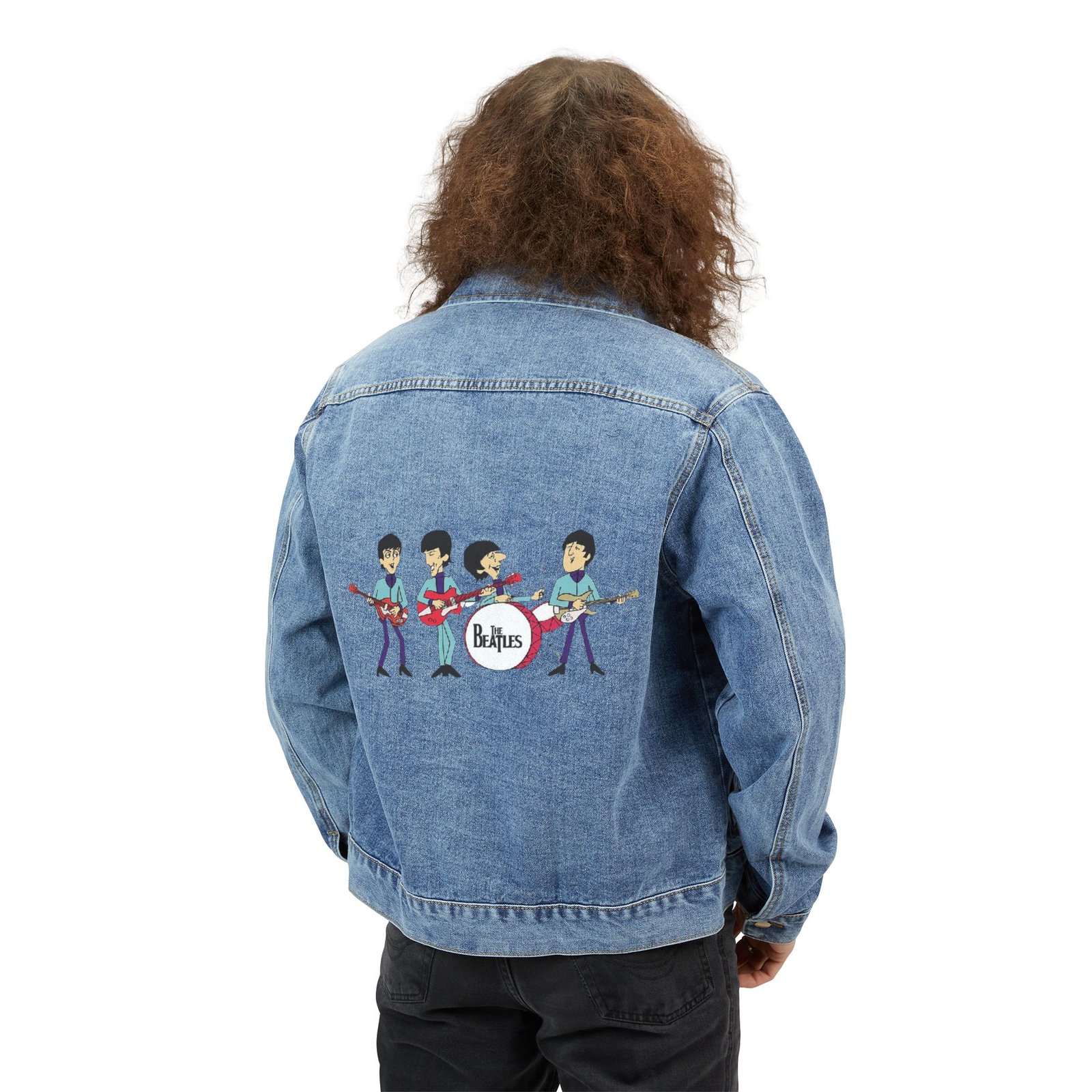
The Vending Lot Reinvents the Denim Jacket: A Modern Essential for Men and Women Built on Timeless Design and Everyday Versatility

The Vending Lot is steadily redefining what it means to merge streetwear authenticity with everyday functionality, and nowhere is that more evident than in its expanding denim jacket collection. With a clear emphasis on both men’s and women’s designs, the brand’s latest rollout is less about following trends and more about reinforcing a timeless staple through modern execution, material precision, and wearable identity. The denim jacket has always existed at the intersection of durability and expression, but The Vending Lot elevates that legacy into something distinctly contemporary—crafted not just to be worn, but to represent.

At the center of this release is a focused product category built around the enduring appeal of denim, anchored by the official men’s and women’s jacket lines now featured prominently within the brand’s evolving catalog. The collection, available through the denim jacket lineup, signals a strategic move toward wardrobe essentials that transcend seasonality. This is not fast fashion. This is foundational apparel designed to hold its place in rotation year-round, adapting across environments, aesthetics, and personal styles without losing its core identity.

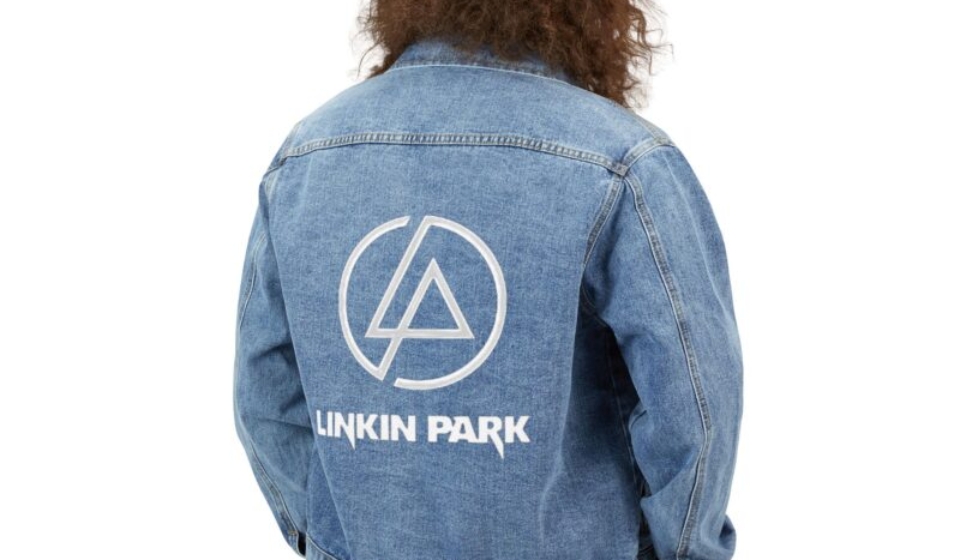
The men’s denim jacket leads with a classic framework that has been carefully refined rather than overdesigned. Built with a structured lapel collar and a traditional button-front closure, the piece stays rooted in the recognizable DNA of heritage denim while introducing subtle enhancements that align with modern expectations. The medium denim wash strikes a deliberate balance—not too dark to limit versatility, not too light to feel overly casual—making it an adaptable layer across a wide spectrum of looks. Whether paired with neutral basics or integrated into a more styled ensemble, the jacket operates as both anchor and accent.

Functionality is treated as a core design principle rather than an afterthought. The inclusion of front slant pockets adds everyday practicality, reinforcing the jacket’s usability without compromising its streamlined silhouette. The relaxed fit ensures mobility and comfort, creating a piece that feels broken-in from the first wear while maintaining enough structure to retain its visual integrity over time. The fabric composition—primarily cotton with strategic blends of polyester, rayon, and spandex—introduces durability, softness, and a subtle stretch factor that enhances wearability without distorting the garment’s form. This is denim engineered for real-life movement, not just static presentation.

Equally compelling is the women’s denim jacket, which approaches the same foundational concept through a more expressive and oversized lens. Designed to become an immediate staple, the women’s version leans into a relaxed, oversized fit that aligns with current fashion sensibilities while maintaining the timeless characteristics that define a true denim essential. The silhouette is intentionally generous, allowing for layering and styling flexibility that can shift from casual to statement-driven depending on how it is worn.

The design language mirrors the men’s jacket in its use of a lapel collar and button-front closure, but expands on detail through elements like buttoned cuffs and button-flap front patch pockets. These additions introduce texture and dimension, giving the jacket a slightly more dynamic visual profile. Front slant pockets remain a key feature, reinforcing the balance between style and practicality. The large back panel stands out as a defining element, offering a canvas for customization, branding, or personal expression—an intentional nod to the culture of individuality that has always surrounded denim.

Material consistency across both lines ensures that the brand’s quality standards remain uniform. The same carefully calibrated fabric blend delivers a combination of durability, flexibility, and comfort, while the sewn-in label placement at the bottom left side provides a subtle but intentional branding cue. It’s a detail that reflects The Vending Lot’s approach overall—present, but not overpowering; distinctive, but not intrusive.

What separates this collection from countless other denim offerings in the market is its clarity of purpose. The Vending Lot is not attempting to reinvent the denim jacket; it is refining it. The focus is on delivering a product that feels authentic, looks elevated, and performs consistently over time. This is apparel designed for repeat wear, for integration into daily life, and for those who understand that true style is built on pieces that endure.

From an SEO and retail positioning standpoint, the emphasis on both men’s and women’s official denim jackets creates a unified product narrative that strengthens discoverability while reinforcing brand cohesion. By anchoring the collection within a clearly defined category and maintaining consistency in material and design philosophy, The Vending Lot ensures that its denim offering is not fragmented, but instead operates as a cohesive extension of its broader identity.

In a landscape saturated with disposable fashion and short-lived trends, The Vending Lot’s denim jacket line stands as a deliberate counterpoint. It is a reminder that some pieces do not need to evolve dramatically to remain relevant—they simply need to be executed with precision, intention, and respect for their origins. This collection does exactly that, delivering a modern interpretation of a classic that feels both familiar and distinctly new.

As the brand continues to expand its catalog, the denim jacket category positions itself as a cornerstone—an essential that defines not just what The Vending Lot offers, but what it stands for. Durable construction, versatile design, and a commitment to wearable authenticity come together in a product line that is built to last, built to be seen, and built to be worn without hesitation.

12750258352473029760_2048.jpeg

The Vending Lot Expands Its Shoresy Collection with Two New Statement Designs That Capture the Show’s Signature Edge

The evolution of culture-driven apparel often comes down to precision—knowing exactly when to expand, what to add, and how to deepen a connection with an audience without overextending the brand. The Vending Lot has taken that approach with its latest update, introducing two new designs into its growing Shoresy collection—each one carefully selected to reflect the tone, humor, and identity that define the series.

Rather than a full-scale rollout, this is a targeted expansion. A deliberate move that reinforces the strength of the collection while sharpening its voice. The result is a tighter, more focused product line that leans fully into what makes Shoresy resonate: unapologetic humor, rapid-fire dialogue, and a cultural connection to hockey that feels authentic and immediate.

For those following the collection, the updated lineup is now live within the The Vending Lot Shoresy Collection, where these additions enhance an already compelling offering.

Two Designs, One Clear Identity

The latest additions are built around two of the most recognizable expressions tied to Shoresy—lines that have moved beyond the screen and into everyday conversation among fans.

The Sudbury Line: A Cultural Catchphrase Turned Statement Piece

The first design centers on the now-iconic line:

“There’s an impossible amount of good-looking girls in Sudbury.”

Within the show, this phrase operates as a recurring observation—equal parts absurd, confident, and sharply delivered. On apparel, it becomes something more refined: a clean, declarative statement that instantly signals familiarity with the show’s tone.

The design translates this line into a wearable format that balances humor with minimalism. It doesn’t rely on heavy graphics or cluttered layouts. Instead, it allows the strength of the quote itself to carry the piece—making it both recognizable and versatile.

This is the kind of design that works across contexts. It can sit comfortably in a casual setting, function as a conversation starter, or serve as a subtle nod to those who understand its origin.

The Signature Exchange: Raw, Direct, and Instantly Recognizable

The second addition draws from one of the most defining elements of the Shoresy universe—the relentless back-and-forth that fuels its dialogue:

“Fuck you, Shoresy!”

This phrase, rooted in the broader world of the show, represents the pace and intensity that define its humor. It is abrupt, unfiltered, and unmistakably tied to the character’s identity.

On a product level, incorporating this line requires balance. The Vending Lot’s approach maintains the rawness of the phrase while presenting it in a way that feels intentional rather than excessive. The design leans into clarity and impact, ensuring that the statement lands immediately without unnecessary embellishment.

Together, these two designs create a complementary pairing—one rooted in observational humor, the other in direct confrontation. Both are essential to the show’s identity, and both translate effectively into apparel.

Built on the Econscious EC1000 Platform

These designs are not just about messaging—they are supported by a product foundation that prioritizes quality and sustainability. Each piece is produced using the Econscious EC1000, a premium blank known for its comfort and environmental considerations.

Key specifications include:

  • 100% certified organic, ring-spun cotton for a soft, breathable feel
  • Medium-weight fabric (5.5 oz/yd²) that offers durability without heaviness
  • Regular fit designed for everyday wear
  • Clean-finished seams and organic cotton ribbing for long-term structure
  • Tear-away label to enhance comfort

This ensures that the shirts are not just visually compelling, but also meet the expectations of modern consumers who prioritize both feel and longevity.

A Focused Expansion That Strengthens the Collection

What makes this update effective is its restraint. By adding only two designs, The Vending Lot avoids diluting the collection. Instead, it reinforces its identity—doubling down on what works rather than chasing volume.

This strategy aligns with a broader shift in apparel, where curation is outperforming saturation. Consumers are increasingly drawn to collections that feel intentional, where each piece has a clear purpose and connection to a larger narrative.

The Shoresy collection now reflects that philosophy. It is not a wide, unfocused assortment—it is a tight, culturally aligned lineup that speaks directly to its audience.

The Role of Cultural Apparel in 2026

These additions arrive at a time when apparel is functioning as more than fashion—it is becoming a form of communication. What people wear is increasingly tied to what they watch, what they listen to, and how they identify within broader cultural conversations.

The Vending Lot’s Shoresy collection sits squarely within this movement. It captures:

  • The language of a specific cultural moment
  • The tone of a show that has built a dedicated following
  • The demand for apparel that feels personal rather than generic

By focusing on recognizable, high-impact phrases, the brand ensures that each piece resonates immediately—without requiring explanation.

A Collection That Knows Exactly What It Is

With the addition of these two designs, The Vending Lot has clarified the direction of its Shoresy lineup. It is not trying to reinterpret the show—it is presenting it, cleanly and confidently, through apparel.

This is a collection built on:

  • Strong, recognizable language
  • High-quality, sustainable materials
  • A clear understanding of its audience

And most importantly, it is a collection that understands restraint. By adding only what enhances the lineup, The Vending Lot has strengthened its position—delivering a product line that feels cohesive, intentional, and ready to scale as demand continues to grow.

For those tracking the evolution of culture-driven apparel, this is exactly the kind of move that defines a brand’s trajectory—not through volume, but through precision.

11286846144914639997_2048

The Vending Lot Pickleball Collection Is Turning Everyday Play Into Pop-Culture Performance

Pickleball is no longer just a fast-growing recreational sport. It has become part of a larger lifestyle movement—one that blends competition, portability, social play, and personal identity. That is exactly where The Vending Lot has found a compelling lane of its own, building a pickleball product line that transforms a standard match into a branded entertainment experience. At the center of that collection is a simple but smart concept: functional pickleball kits designed for casual and recreational play, elevated by recognizable art, music, film, and pop-culture themes. (The Vending Lot)

Within The Vending Lot’s broader entertainment merchandise ecosystem, the Pickleball Sets category is positioned as a crossover product line—part sports gear, part lifestyle merchandise, part collectible statement piece. The category page presents a focused lineup of themed kits, including designs tied to Bob Marley, Banksy’s The Walled Off Hotel, Jimmy Buffett’s Margaritaville, and The Rolling Stones, each listed at $59.98 on the category page. (The Vending Lot)

That strategy matters because it gives the brand something more distinctive than generic sporting goods. Rather than asking consumers to choose between utility and personality, The Vending Lot is merging both into one purchase. The result is a product line that speaks directly to music fans, entertainment enthusiasts, gift buyers, festival audiences, and casual players who want their gear to look as expressive as the rest of their lifestyle.

A Pickleball Product Line Designed for Lifestyle Appeal

The modern pickleball boom has created a crowded market, but much of that market still leans heavily into traditional sports branding. The Vending Lot’s product line moves in another direction. It treats pickleball as a social and visual product category, something that belongs as easily at a vacation house, community court, festival activation, merch table, or entertainment retail store as it does inside a dedicated sporting goods aisle.

That is the real appeal of this collection.

These kits are built around a ready-to-play format that makes the product accessible immediately. Each custom pickleball kit includes two paddles and two balls, allowing consumers to open the package and begin using it right away without needing to build out the set piece by piece. The kits are packaged in a transparent carry bag, reinforcing portability and making them especially useful for travel, casual recreation, and grab-and-go gifting. The printed design appears on both sides of both paddles, creating a cleaner, more immersive branded presentation. (The Vending Lot)

From a merchandising standpoint, that combination is powerful. It means the product works in multiple environments at once:
a usable sports kit,
a branded fan item,
a conversation-starting gift,
and a display-friendly entertainment product.

What Comes Inside the Featured Pickleball Kit

The featured The Vending Lot pickleball kit is built around a straightforward, consumer-friendly format that keeps the focus on convenience, visual identity, and ease of use.

The product includes:

Two paddles
Two plastic wiffle balls
A transparent easy-carry bag
Matching double-sided printed paddle graphics

The paddles are made from 100% wood construction and feature poly-cotton handle fabric, combining a familiar paddle material with grip-focused wrapping for easier handling during recreational play. Each paddle is listed in one size, 7.5 inches by 15.5 inches, creating a standard-ready format for casual users, beginners, and gift-oriented buyers who want a complete set without needing to navigate technical equipment specifications. (The Vending Lot)

That simplicity is part of the product’s strength. The Vending Lot is not trying to overcomplicate the category with unnecessary technical language. Instead, it is emphasizing what many consumers actually want: a complete, portable, visually distinctive pickleball set that feels fun, giftable, and ready for action.

Why This Product Line Works Right Now

The timing for a collection like this could hardly be better.

Pickleball’s rise has reshaped the sports-and-lifestyle market because the game attracts a broad demographic mix. It appeals to longtime athletes, weekend recreation players, families, young adults, retirees, event attendees, and casual consumers looking for an easy activity that feels social and low-barrier. A product that sits at the intersection of entertainment and entry-level play is uniquely well-positioned in that environment.

The Vending Lot’s collection understands that the current consumer does not always shop by traditional category. They shop by identity, fandom, visual design, cultural connection, and impulse appeal. A customer may not be looking for “sports equipment” in the conventional sense. They may be looking for a Rolling Stones gift, a Jimmy Buffett collectible, a Bob Marley lifestyle item, or a novelty-yet-usable entertainment purchase. The Vending Lot turns all of those motivations into a single retail opportunity. (The Vending Lot)

That is what gives this product line broader commercial appeal than a standard entry-level paddle set.

Featured Themes That Expand the Collection’s Reach

One of the most compelling aspects of the The Vending Lot pickleball line is how it leverages recognizable cultural properties to widen its audience. On the category page, the lineup includes:

Bob Marley Pickleball Kit
Banksy ‘The Walled Off Hotel’ Pickleball Kit
Jimmy Buffett’s ‘Margaritaville’ Pickleball Kit
Jimmy Buffett ‘Margaritaville’ Pickleball Kit
The Rolling Stones Pickleball Kit (The Vending Lot)

That assortment tells you a lot about the brand’s vision.

This is not a narrowly targeted sports line. It is an entertainment merchandise collection designed to live inside multiple fandoms at once. Music lovers, art fans, collectors, resort and travel shoppers, lifestyle consumers, and recreational players can all find an entry point into the category.

The Banksy-themed set, for example, pushes the category into art-driven merchandise. The Margaritaville kits tap directly into leisure, vacation, and escapist lifestyle branding. The Rolling Stones and Bob Marley versions connect the collection to timeless music identities with multigenerational fan appeal.

That breadth gives the line durability. It allows The Vending Lot to keep expanding not just by product, but by cultural universe.

A Smart Product for Travel, Gifting, and Merchandising

The transparent bag format deserves special attention because it does more than improve portability. It also improves the product’s retail usefulness.

A bagged kit is easier to merchandise than loose equipment. It displays clearly, presents cleanly, and gives the buyer a strong visual read on what they are getting. For travel, it means the kit can be carried to courts, parks, beaches, festivals, hotels, and vacation properties without additional packaging. For gifting, it feels complete from the moment it is handed over.

That is especially important for entertainment-themed merchandise. Consumers in this space often want products that are not only functional, but also instantly presentable. The The Vending Lot pickleball line satisfies that expectation.

It works as:
a birthday gift,
a holiday gift,
a vacation-house item,
an event merchandise piece,
a branded lifestyle accessory,
or a casual impulse buy for someone already connected to the featured brand or artist.

In other words, this is a product line with strong shelf logic and strong audience logic.

More Than Equipment: A New Kind of Sports-Entertainment Merchandise

The Vending Lot describes itself as an official entertainment merchandise and product line, and that larger identity helps explain why the pickleball category feels more interesting than a standard sports listing. The pickleball sets are part of a broader retail environment that spans music, film, television, and branded entertainment categories. (The Vending Lot)

That context matters because it means these kits are not random add-ons. They are part of a deliberate merchandise strategy in which sports-adjacent products can become new canvases for entertainment branding.

This opens up major long-term upside.

Pickleball is especially suited to this kind of crossover because it is approachable, visible, portable, and social. People carry paddles in public. They set them down courtside. They bring them to gatherings. They lend them to friends. That creates natural brand visibility in a way many merchandise items do not.

A T-shirt makes a statement. A themed pickleball kit makes a statement and creates an activity.

The Design Advantage of Double-Sided Printing

One of the more understated strengths of the featured kit is the same-design duplication on both sides for both paddles. (The Vending Lot)

That may sound like a small detail, but it improves the product experience significantly. Double-sided printing ensures consistent visual impact from every angle, which matters for both photographs and actual play. Whether the paddles are in use, hanging out of the bag, or displayed between games, the branding remains front and center.

For a product line built around fan recognition and visual style, that is an important advantage.

It also helps the kits feel more polished as retail items. The buyer is not getting a partial or compromised graphic experience. They are getting a fully branded presentation that keeps the featured property visually intact across the full product.

Built for Casual Play, Built for Broad Appeal

The wooden paddle construction and included plastic balls position these kits naturally for casual and recreational use rather than high-end competitive specialization. That is not a weakness. In fact, it is exactly what broadens the market.

Not every pickleball customer is a tournament player. Many are occasional players, newcomers, families, groups of friends, or buyers who are just entering the sport and want a set that feels approachable and fun. The The Vending Lot lineup is speaking directly to that audience.

It offers a low-friction entry point:
easy to understand,
easy to carry,
easy to gift,
easy to display,
and easy to use.

That gives the line flexibility across age groups and purchase motivations. It is as relevant for a vacation weekend as it is for a casual afternoon at a local court.

Why The Vending Lot Pickleball Collection Stands Out

There are plenty of pickleball products on the market. There are far fewer that understand the emotional side of modern retail.

The Vending Lot’s advantage is that it is not just selling paddles and balls. It is selling recognition, identity, nostalgia, pop culture, and the idea that recreational products can still feel collectible.

That makes the line stand out in several ways:

It is visually differentiated
It is fandom-driven
It is portable and gift-friendly
It is ready to use immediately
It sits naturally between sports, entertainment, and lifestyle retail

For consumers, that means the purchase feels more meaningful. For the brand, it means the category has room to grow far beyond a one-product novelty.

The Bigger Opportunity Ahead

If this category continues to expand, The Vending Lot is sitting in an unusually strong position. Its entertainment-focused retail model gives it the ability to extend pickleball into more branded worlds, more artist partnerships, more film and television themes, more event-specific products, and more collectible sports-lifestyle hybrids.

That is where the real long-term value lies.

Pickleball is proving to be more than a trend. It is becoming a cultural platform. The brands that win in this space will not only understand performance—they will understand personality. The Vending Lot’s pickleball kits already show a clear understanding of that shift.

By combining a complete ready-to-play package with recognizable cultural themes, the company has created a product line that feels current, marketable, and highly expandable.

For consumers who want a set that plays well in casual settings and looks sharp doing it, The Vending Lot pickleball collection delivers a compelling answer. And for retailers, merchandisers, and brand strategists watching the crossover between fandom and active lifestyle products, this line is an especially strong example of where the category is heading next.