

 Cart is empty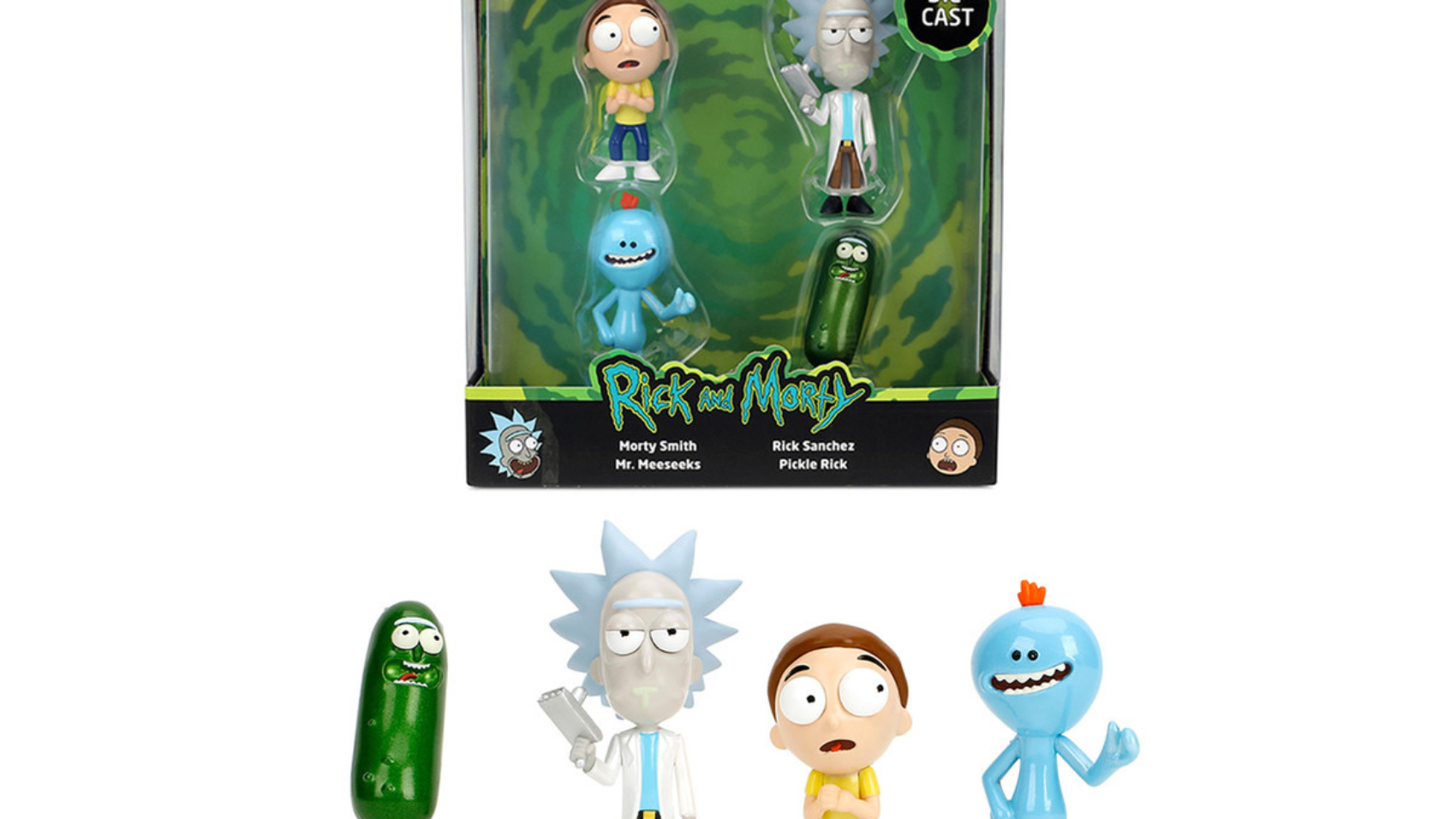

Few animated series have reshaped modern television quite like Rick and Morty. What began as a bizarre, irreverent science-fiction comedy quickly evolved into one of the most influential animated franchises of the 21st century. Combining multiverse theory, existential philosophy, absurdist humor, emotional storytelling, and relentless creativity, the series transformed from a cult favorite into a global entertainment phenomenon that continues to influence animation, comedy, science fiction, gaming culture, collectibles, and popular culture itself.
Now, the franchise stands at the edge of its most ambitious expansion yet.
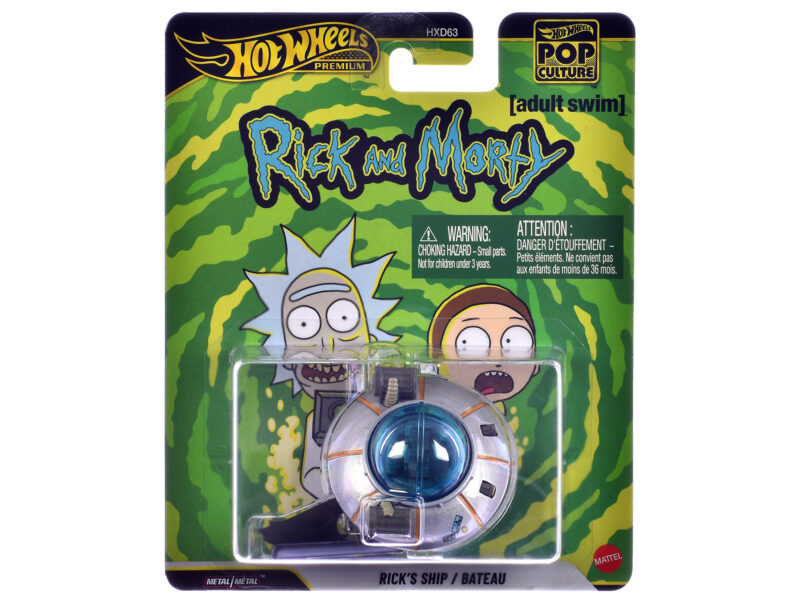
As Warner Bros. Animation moves forward with the development of a feature-length Rick and Morty motion picture, The Vending Lot is spotlighting its expanding Rick and Morty collection within the Film Studio Lot category, offering fans a growing destination for merchandise, collectibles, artwork, and pop-culture products inspired by one of television’s most inventive creative universes. The timing could not be better. With the television series continuing its successful run and a standalone feature film officially entering development, the Rick and Morty brand is preparing for a significant leap from television dominance to cinematic scale.
For longtime fans, the announcement represents more than simply another extension of the franchise. It signals the beginning of an entirely new chapter for a property that has consistently challenged expectations since its debut. Unlike many television-to-film adaptations that struggle to justify their existence, the Rick and Morty feature appears to be built around a clear creative vision designed specifically for the big-screen experience.
At the center of that vision is Jacob Hair, a longtime member of the series’ creative team who has officially been selected to direct the film. The choice has been widely embraced by fans because it demonstrates a commitment to preserving the unique identity that made the series successful in the first place. Rather than bringing in an outside filmmaker unfamiliar with the tone, rhythm, and complexity of the franchise, the creators have placed the project in the hands of someone who has helped shape many of the show’s most celebrated episodes.
That decision speaks volumes about the goals of the production.
Hollywood has a long history of adapting successful television properties into films while misunderstanding what made the originals work. Warner Bros. and the Rick and Morty creative team appear determined to avoid that trap. By selecting a director deeply embedded within the franchise’s DNA, the studio is signaling that the film will remain authentically connected to the world audiences have spent years exploring.
Hair’s credentials make the decision particularly compelling. During his time on the series, he directed several of the most ambitious, emotionally resonant, and visually sophisticated episodes ever produced. These episodes demonstrated an ability to balance high-concept science fiction with emotional storytelling, a combination that has always represented the very best of Rick and Morty.
Among those accomplishments is the acclaimed episode “The Old Man and the Seat,” which explored loneliness, personal boundaries, and emotional isolation beneath its comedic exterior. Another standout, “Rattlestar Ricklactica,” transformed a simple joke involving snakes into a sprawling time-travel epic that showcased extraordinary narrative complexity. Perhaps most significantly, Hair directed the Emmy-winning “The Vat of Acid Episode,” a fan-favorite installment remembered for its emotional depth, inventive storytelling mechanics, and unforgettable visual sequences.
Those episodes serve as evidence that Hair understands how to create stories that operate on multiple levels simultaneously. Rick and Morty has always been at its strongest when balancing outrageous science-fiction concepts with surprisingly human emotional themes. That skill set becomes especially important when transitioning from episodic television to a feature-length narrative.
According to the creative team, the upcoming film will function as a standalone ninety-minute adventure rather than an extension of existing television storylines. This distinction may ultimately become one of the project’s greatest strengths.
One of the challenges facing long-running franchises is accessibility. Television viewers who have followed every season often appreciate deep mythology, recurring lore, and complex continuity. Newcomers, however, can find those same elements intimidating. The Rick and Morty film appears designed to solve that problem by creating an entry point that welcomes new audiences while still satisfying dedicated fans.
Rather than relying heavily on intricate mythology involving multiversal politics, continuity-heavy story arcs, or years of accumulated lore, the film intends to focus on a self-contained adventure that captures the essence of the franchise. Fans familiar with concepts such as alternate dimensions, cosmic threats, and interdimensional travel will still find plenty to enjoy, but newcomers will not need years of viewing experience to understand the story.
That strategy reflects an understanding of what makes the franchise universally appealing. Beneath the complex science-fiction concepts lies a surprisingly simple foundation: a dysfunctional family navigating impossible situations while confronting questions about identity, purpose, relationships, and existence itself.
The creative ambition behind the project extends even further.
Series co-creator Dan Harmon has reportedly described his goal as creating the feeling audiences experience when walking out of a great adventure film. Rather than mimicking the structure of a television episode, the movie aims to embrace the scale, momentum, spectacle, and cinematic energy traditionally associated with blockbuster filmmaking. The aspiration is not merely to create a longer Rick and Morty episode. The goal is to create a genuine movie experience.
That distinction matters.
Animation has increasingly become one of the most dynamic forms of cinematic storytelling. The medium is no longer viewed solely as family entertainment. Animated features today explore mature themes, sophisticated narratives, complex emotions, and ambitious visual storytelling. Rick and Morty has spent years proving that animation can tackle philosophical questions and existential dilemmas while remaining wildly entertaining. A feature film provides an opportunity to expand those strengths onto an even larger canvas.
The return of lead voice actors Ian Cardoni and Harry Belden further reinforces the project’s continuity with the current era of the franchise. Their performances have helped establish a new chapter for Rick and Morty while maintaining the familiar chemistry that audiences expect. Bringing them into the feature film ensures consistency as the franchise continues evolving.
The movie’s development also arrives during a period of remarkable stability for the larger Rick and Morty universe. The television series has already secured renewals extending through Season 12, demonstrating the confidence Adult Swim continues placing in the property. That long-term commitment allows the film to operate independently rather than serving as a replacement or conclusion. Instead, it becomes an additional opportunity to explore the franchise’s enormous creative potential.
The growth of the Rick and Morty brand has naturally fueled demand throughout the collectibles and merchandise marketplace as well. Few modern animated series have generated such a passionate collector community. From action figures and posters to apparel, artwork, vinyl collectibles, replica props, and specialty merchandise, fans have embraced virtually every aspect of the franchise’s expanding retail ecosystem.
The Vending Lot’s Rick and Morty collection reflects that enthusiasm. Modern fandom extends far beyond simply watching a show. Fans increasingly seek ways to express their connection to the worlds, characters, and stories that matter most to them. Merchandise becomes more than a product; it becomes a physical connection to a creative universe that inspires imagination, humor, and emotional investment.
Rick and Morty is particularly well suited to that collector culture because its visual identity is so distinctive. The franchise combines science fiction, surrealism, absurd comedy, and multiversal chaos into a recognizable aesthetic that translates naturally into collectibles and artwork. Every portal, alien species, alternate dimension, and bizarre invention expands the visual vocabulary of the franchise and creates new opportunities for creative merchandise.
The Vending Lot’s Film Studio Lot category continues embracing these entertainment-driven communities by offering products tied to some of the most recognizable properties in film and television. The addition of Rick and Morty represents another step in building a destination where fans can engage with the entertainment experiences they love long after the credits roll.
Even discussions surrounding possible live-action adaptations continue demonstrating the franchise’s cultural reach. Promotional appearances featuring Christopher Lloyd and Jaden Martell generated enormous interest among fans and showcased how deeply Rick and Morty has embedded itself into contemporary pop culture. While the current feature remains firmly rooted in animation, the enthusiasm surrounding those live-action interpretations illustrates the flexibility and appeal of the franchise’s characters.
As development progresses and anticipation continues building, the upcoming Rick and Morty film represents one of the most intriguing projects in modern animation. It combines a trusted creative team, a beloved franchise, an ambitious cinematic vision, and a commitment to accessibility that could introduce the series to an even larger global audience.
For The Vending Lot, the expanding Rick and Morty collection reflects the continuing growth of a franchise that has repeatedly proven its ability to surprise, entertain, and evolve. As the series prepares to make the leap from television phenomenon to feature-film event, fans have every reason to believe that the next adventure may be the biggest, boldest, and most ambitious journey Rick and Morty have ever undertaken.